Brazil’s Oldest Machine Maker Romi Sees Orders Stir After a Brutal Slide
Key Facts
—Net profit. Second-quarter net profit was R$13.9 million ($2.7M), down 15% from a year earlier but nearly six times the first quarter.
—Report date. Results were reported on July 14.
—Five-year slide. Annual profit fell from R$215 million ($42M) in 2022 to R$85 million ($17M) in 2025.
—Stock price. Shares traded at R$6.10, within 3% of the 52-week low.
—Valuation. The stock trades at 7.5x earnings and 0.45x book value.
—Balance sheet. Net debt stood at R$197 million ($39M) against R$1.2 billion ($235M) of equity.
Second-quarter net profit fell 15% year-on-year to R$13.9 million but surged nearly sixfold from the first quarter, as shares traded near their 52-week low at 7.5 times earnings.
Romi Results: What Happened
Indústrias Romi S.A. (B3: ROMI3) has made the machines that make Brazilian industry since 1930: metal-cutting lathes and machining centers, plastic injection-molding machines, and rough and machined castings, from its base in Santa Bárbara d'Oeste, São Paulo state. The founding family's holding keeps roughly 46% of the register, and by calendar tradition the company files first each quarter — making its numbers Brazil's earnings-season starting gun.
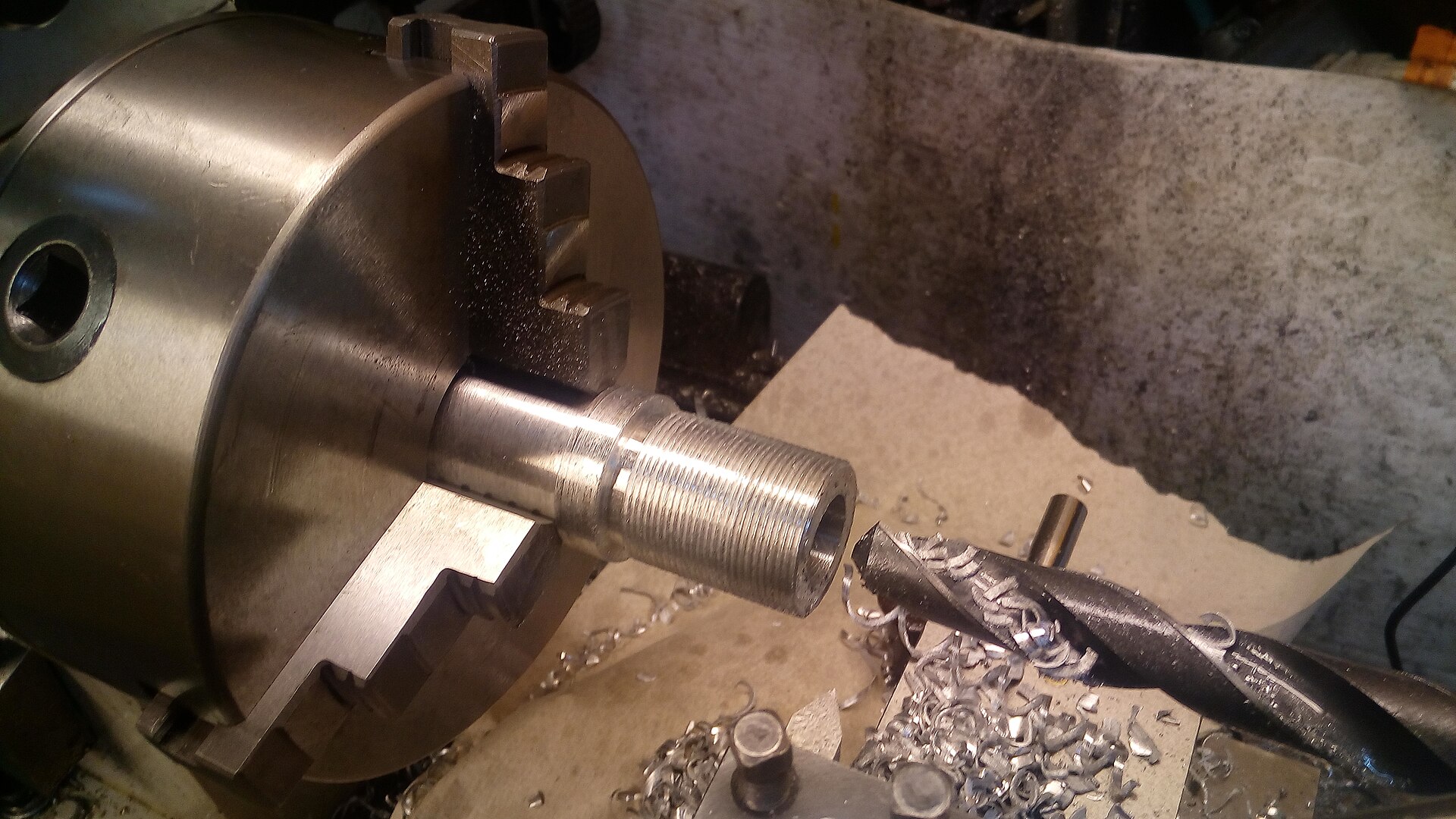
The second-quarter print, published July 14 and flagged by ADVFN among the session's highlights, showed net profit of R$13.9 million ($2.7M): 15% below the same quarter of 2025, but a 489% jump on the first quarter's near-breakeven result, driven by stronger machine sales. In a year when Brazilian industry has mostly deferred investment, sequential recovery is the headline Romi needed.
A note of caution on sell-side coverage: the nominal consensus target on file (above R$17) is stale — small caps this size lose analyst attention in downturns, and Romi's screen prices reflect neglect as much as verdict. The book value is the more honest anchor: the market pays 45 cents for each real of equity in a debt-light, 96-year-old market leader.
Key Drivers Behind the Romi Results
Machine tools are the economy's most honest leading indicator: nobody buys a lathe for sentiment. Romi's customers — auto-parts makers, agribusiness equipment suppliers, general manufacturing — only order when they believe in demand two years out, and with the Selic in double digits, belief has been rationed.
That is the whole story of the profit slide since 2022.
The quarter's sequential surge in machine sales is therefore more interesting than its annual decline: it is consistent with industrial buyers starting to pre-position for the rate-cutting cycle Brazil's disinflation is opening. One quarter is not a trend — but this is the indicator to watch for one.
Live Company IntelligenceIndústrias Romi S.A — the full investor dossier
Valuation & profitability
Price & risk
$5.9552-wk high
$8.83
Revenue trend · 6y
Ownership
Dividend
Romi Financial Detail
| Metric | 2T25 | 1T26 | 2T26 | Trend |
|---|---|---|---|---|
| Net profit | R$16.4 mn ($3.2M) | R$2.4 mn ($0.5M) | R$13.9 mn ($2.7M) | −15% YoY, +489% QoQ |
| Fiscal year | Revenue | Net income |
|---|---|---|
| 2021 | R$1.4 bn ($274M) | R$204 mn ($40M) |
| 2022 | R$1.6 bn ($314M) | R$215 mn ($42M) |
| 2023 | R$1.2 bn ($235M) | R$164 mn ($32M) |
| 2024 | R$1.2 bn ($235M) | R$114 mn ($22M) |
| 2025 | R$1.3 bn ($255M) | R$85 mn ($17M) |
The market values Romi at less than half its own equity while the company carries barely two months of revenue in net debt. That combination — balance-sheet strength, valuation despair — is what deep-value investors screen for; what it lacks, for now, is the earnings catalyst.
Management Signals
Management's consistent line through the downturn: protect the technology investment, keep the workforce's know-how intact, and let the balance sheet absorb the cycle rather than cutting into the franchise. Filing first each quarter is itself a signal — a 96-year-old company confident enough to lead the tape in its worst cycle in a decade.
What to Watch Next
Order intake: disclosed in the full release, the forward-looking number that matters more than profit. Selic cuts: the single catalyst; every cut re-prices industrial investment math. 3T26 in October: whether the sequential recovery compounds. The season it opened: WEG on July 22 and the capital-goods complex will confirm or contradict Romi's early signal.
Risks
If rates stay high into 2027, the order drought continues and the profit slide enters year five. Liquidity is thin — a R$568 million market cap with 46% held by the family leaves a narrow float that exaggerates every move.
Chinese machine-tool imports pressure pricing at the commodity end of the range. And small-cap neglect can persist long after fundamentals turn.
Sector Context
Romi opened a season whose pattern is now visible across this series: Brazil's rate-sensitive real economy (Romi, Camil, C&A, Banco do Brasil's farm book) still bleeding, while the rate-cut trade (Movida, Ultrapar, B3) already runs. Machine tools sit at the very end of that transmission chain — the last to fall, the last to recover, and therefore the purest confirmation signal when Brazilian industry finally believes in the easing cycle. The starting gun has fired on more than the earnings calendar.
This report is part of The Rio Times' Company Intelligence coverage of B3-listed companies. It is journalism, not investment advice.
Frequently Asked Questions
Why is Indústrias Romi's second-quarter 2026 profit considered a recovery signal even though it fell compared to a year ago?
Net profit of R$13.9 million was down 15% from a year earlier but jumped nearly six times from the depressed first quarter, driven by recovering machine sales.
What makes Romi's business so sensitive to Brazil's interest rate, the Selic?
Romi sells machine tools and capital goods, and its customers only place orders when they believe in future demand, which has been rationed by double-digit interest rates.
Why might value investors find Romi's stock attractive at its current price?
The stock trades at 0.45 times its book value, meaning the market values the company at less than half its own equity, while it carries low net debt of R$197 million against R$1.2 billion of equity.
This article was produced by The Rio Times’ automated newsroom system. How we use AI · Report an error · Editorial responsibility: Matthias Camenzind, Editor-in-Chief