State Grid Moves Giant $3.6 Billion Brazil Power Line Forward to 2028
Brazil · Energy
Key Facts
—Timeline accelerated The original 2030 completion date was pulled forward to March 2028, delivering critical infrastructure two years early.
—Massive capacity addition The line adds 5 GW of transmission capacity, equivalent to the output of several large hydroelectric dams, strengthening national supply.
—Foreign investment confidence The project is backed by Chinese capital, with an investment of roughly R$20 billion, signaling long-term foreign trust in Brazil’s regulated energy sector.
—Renewable energy enabler By connecting the Northeast’s wind and solar farms to the Center-West and Southeast, the line reduces renewable energy curtailment and operational constraints.
—Ultra-high-voltage technology The 1,500 km corridor uses 800 kV HVDC technology, minimizing energy loss over long distances and making remote generation viable.
Brazil’s Ministry of Mines and Energy confirmed on July 16, 2026, that the State Grid Maranhão-Goiás transmission line has been accelerated from 2030 to March 2028.
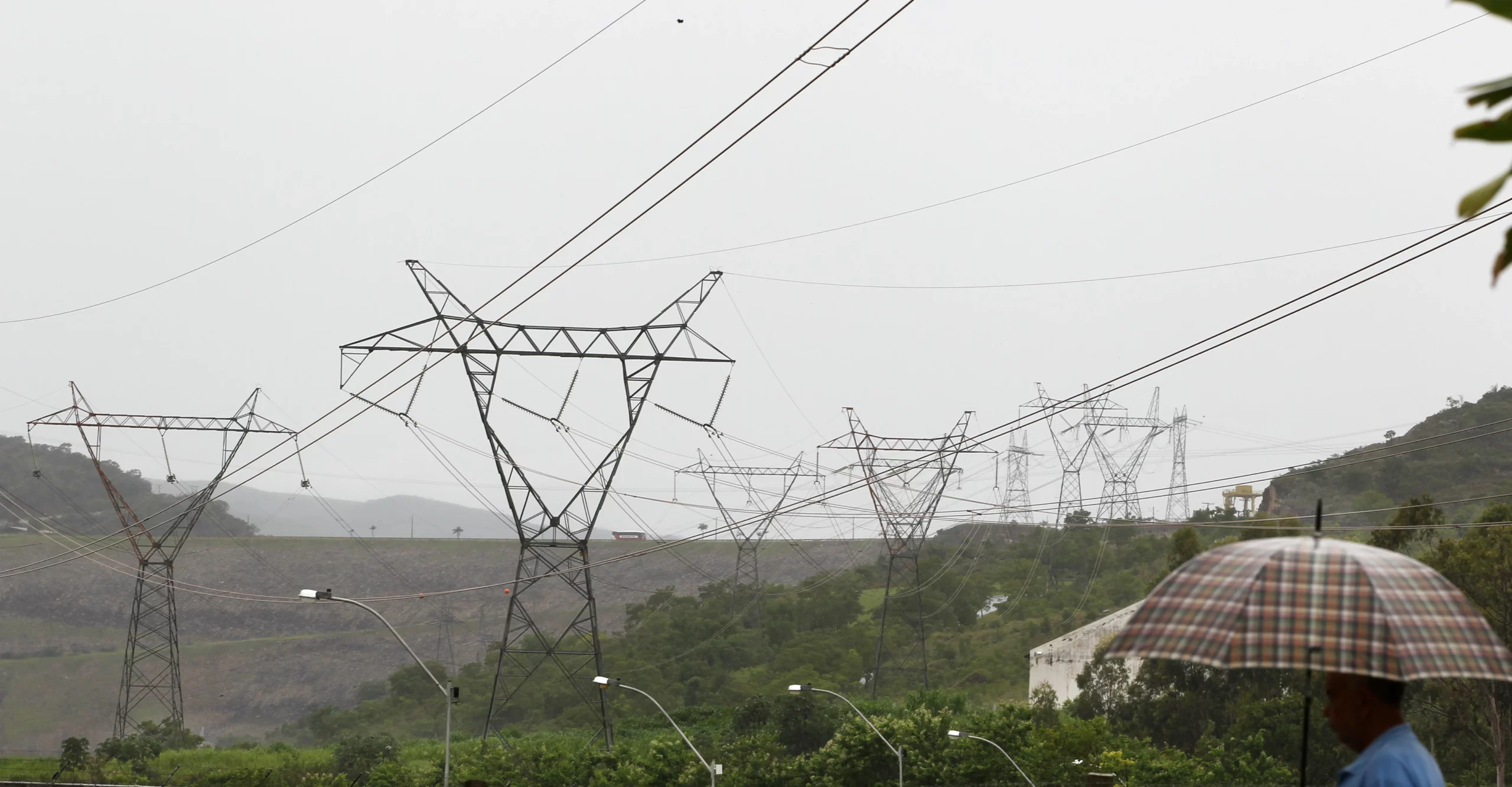
A Faster Timeline for Grid Capacity
The State Grid’s Maranhão-Goiás transmission line is now set for completion by March 2028, a significant acceleration from the original target of 2030. The announcement was made by Brazil’s Ministry of Mines and Energy on July 16, 2026, confirming the schedule update for one of the country’s largest energy infrastructure projects.
The project will add 5 GW of power to Brazil’s national interconnected system. The approximately 1,500 km line will connect the Graça Aranha substation in Maranhão to the Silvânia substation in Goiás, passing through Tocantins, thereby improving energy interchange between the Northeast, Center-West, and Southeast regions.
To understand why this matters, it helps to picture Brazil’s electricity map. The Northeast has become the country’s powerhouse for wind and solar generation, but the heaviest demand comes from the industrialized Southeast and the growing Center-WeSt Without enough long-distance wires, clean electrons get stranded.
This line is essentially a high-capacity bridge designed to solve that mismatch.
Technology and Investment
The transmission line will use 800 kV HVDC (High Voltage Direct Current) technology. This ultra-high-voltage system is designed to move large blocks of electricity over vast distances with minimal losses, making it ideal for transmitting power from remote renewable generation hubs.
The total investment for the project is approximately R$20 billion (about US$3.6 billion). Earlier government statements from April 2024, when the 30-year concession agreement was signed, had cited an investment of BRL 18.1 billion for the bipole line connecting the three states.
In plain terms, HVDC works like an express lane for electricity. Traditional alternating-current lines lose more energy as heat over long distances.
Direct current, especially at 800 kV, keeps losses remarkably low, which is why it is the technology of choice for linking far-flung renewable zones to major cities. The scale here is notable: a 5 GW bipole can carry roughly the peak demand of a mid-sized Brazilian state.
Integrating Brazil’s Renewable Boom
A major goal of the line is to integrate renewable generation from Brazil’s rapid wind and solar expansion, predominantly located in the Northeast. By bridging the Northeast with the demand centers in the Center-West and Southeast, the new link is a direct response to the grid’s growing needs.
Reuters reported that the ministry expects the line to reduce operational constraints and curtailment of renewable energy. Curtailment occurs when grid operators must disconnect wind or solar farms because there isn’t enough capacity to carry the electricity to where it is consumed, resulting in wasted clean energy and lost revenue.
Curtailment has been a persistent headache for developers in the Northeast. When transmission bottlenecks force turbines to stop spinning on a windy day, the environmental and financial cost is real. A dedicated high-capacity corridor like this one directly addresses that pain point, making existing and future renewable projects more bankable.
Why This Matters for Investors and Residents
For investors, the acceleration of the State Grid Maranhão-Goiás transmission line is a concrete signal of reduced regulatory risk in Brazil’s energy sector. It demonstrates the government’s capacity to fast-track critical infrastructure with foreign partners, solidifying the business case for renewable energy projects that depend on grid access.
For residents, a more robust and interconnected grid translates to greater energy security and reliability. By mitigating constraints, the line helps stabilize power supply across states and supports the integration of cheaper, clean electricity into the national mix, potentially reducing system costs over the long term.
The early delivery also raises practical questions worth watching. Will the faster timeline put pressure on other transmission auction winners to accelerate their own schedules?
Can the local supply chain and workforce in Maranhão, Tocantins, and Goiás absorb such a large project on a compressed timetable without cost overruns? And once the line is live, how quickly will curtailment figures actually drop in the Northeast?
These are the operational milestones that will determine whether the March 2028 target translates into real-world reliability gains.
More: Brazil news in English, every day from The Rio Times.
Frequently Asked Questions
What is the new deadline for the State Grid Maranhão-Goiás line?
Brazil’s Ministry of Mines and Energy announced on July 16, 2026, that the line is now scheduled for completion in March 2028, moved forward from an original target of 2030.
How much power will the Maranhão-Goiás transmission line add to the grid?
The line will add 5 GW of capacity to Brazil’s national interconnected system, enabling the flow of renewable energy from the Northeast to other regions.
What is the total investment in the transmission project?
Reuters reported the project investment at approximately R$20 billion (about US$3.6 billion). A 2024 government statement had placed the value at BRL 18.1 billion for the bipole concession.
Sources: Linha de transmissão da State Grid é antecipada e deve ficar pronta em março de 2028, State Grid wins Brazil’s largest-ever power line auction, Brazilian government signs energy transmission contracts expecting BRL 21.7 billion in investments, What State Grid’s new power line means for Brazil’s energy transition
Connected Coverage
Brazil’s Oldest Machine Maker Romi Sees Orders Stir After a Brutal Slide
Caixa Seguridade Posts a Record Profit and Pays Out Nearly All of It
This article was produced by The Rio Times’ automated newsroom system. How we use AI · Report an error
Read More from The Rio Times