Rock in Rio Has Sold 8,000 Hours of Branded Experience, and That Is Not a Side Business

Brazil · Business
Key Facts
- —What happened Rock in Rio 2026 will host 90 brands and 8,000 hours of branded experiences across seven days.
- —How big a jump That is roughly 140,000 giveaways daily and a US$640 million economic impact estimate.
- —The catch No consolidated sponsorship revenue figure for 2026 has been released, only a commissioned estimate.
- —Why it mattered The festival is a retail environment where the walk between stages is sponsored space.
- —What comes next The festival runs 4-7 and 11-13 September, with separate tickets for each weekend.
Ninety brands, a hundred activations and a million giveaways. The music is the anchor tenant.
The numbers that describe Rock in Rio 2026 sponsors are stranger than the ones that describe the music. More than 90 brands, over 100 activations, roughly 8,000 hours of branded experience and about a million giveaways, spread across seven days on a 385,000-square-metre site. A festival at this scale is a retail environment that happens to have bands in it.
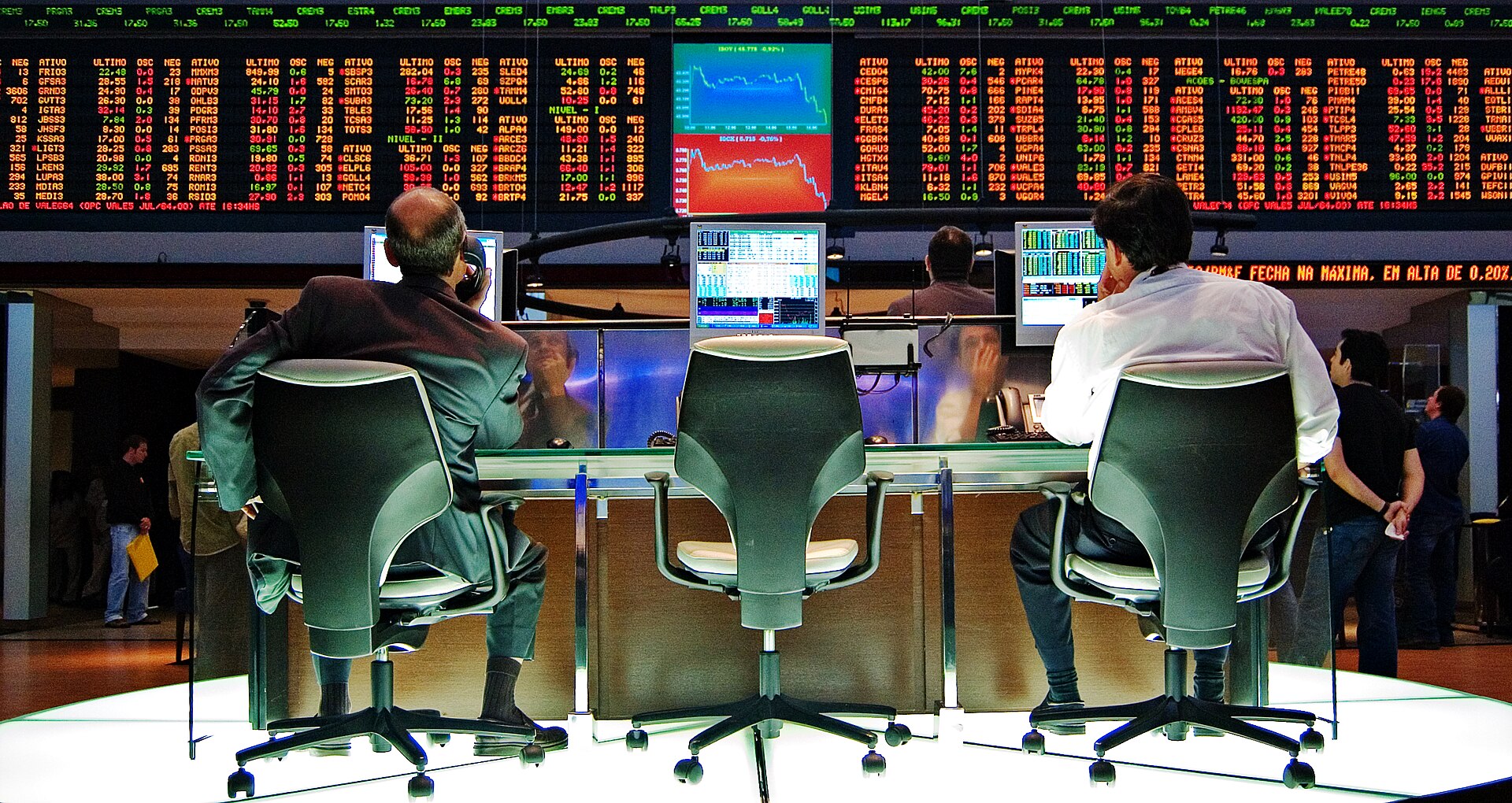
What the Rock in Rio 2026 sponsors actually bought
The commercial structure splits in two. Around 50 companies are sponsors, media partners or supporters — the ones whose logos you see. A further 40 or so operate inside the Cidade do Rock without that billing, running food, retail and services.
Itaú is master sponsor for the eighth consecutive edition, which in Brazilian festival terms is close to permanent. The named list around it runs through Heineken, Coca-Cola, Seara, Ipiranga, KitKat, Prudential, TIM, Natura, Doritos, Superbet, iFood, C&A and Volkswagen.
Others appear through activations rather than through top-line sponsorship: Vale, Cif, Cup Noodles, Piracanjuba, Tic Tac, Philco, and Sony Music Brasil on the Supernova stage.
The organiser’s own framing is the giveaway figure. About a million items handed out over seven days is roughly 140,000 a day, which is a logistics operation rather than a marketing flourish.
Why 8,000 hours is the number that matters
Because it is a measure of occupied attention rather than of exposure. A logo on a screen is impressions; eight thousand hours of activation is time that festival-goers spent inside a brand’s physical space, queueing for something, playing something or being photographed in something.
That is the metric the industry has moved toward, and it explains the design of a modern festival site. The distance between stages is not an accident of the terrain. It is programmable space, and the walk between acts is what the sponsors are paying for.
It also explains the ratio. Seven days of music across two weekends produces a finite number of stage hours; 8,000 hours of brand experience is a multiple of that, because the activations run continuously while the stages rotate.
The R$3.3 billion (about US$636 million) figure, and where it comes from
The economic impact estimate attached to this edition is R$3.3 billion, about US$640 million at 5.18 reais to the dollar. It is worth knowing the provenance: it comes from a study by the Fundação Getulio Vargas, and the phrasing in coverage varies between R$3.3 billion (about US$636 million) and R$3.36 billion (about US$647 million), and between impact on Rio’s economy and on Brazil’s.
Impact studies of this kind are commissioned, and they measure gross activity rather than net gain. That does not make them worthless — the hotel occupancy, the airport traffic and the hospitality spend are real — but a number produced for an event by an institution engaged for the purpose should be attributed rather than reported as a finding.
What is not published is the other side of the ledger: no consolidated sponsorship revenue figure for 2026 has been released. The most recent comparable disclosure is that in 2024 the festival and its partners put more than R$118 million (about US$23 million) into various projects, which is a different measure again.
What this means if you are going
The festival runs across two weekends rather than one block: 4 to 7 September, then 11 to 13 September. That structure exists partly for the sponsors, because it doubles the number of days an activation can be staffed and stocked without doubling the build.
Practically, it means the site is the same on both weekends but the lineup is not, and a ticket for one does not admit you to the other. Check which days your ticket covers before you plan travel.
The Cidade do Rock is in the Parque Olímpico in Barra da Tijuca, which is a long way from the Zona Sul. Transport is the single most common failure point for first-time attendees, and the official shuttle and the metro’s extended hours are the two things to understand in advance.
Why this matters if you sell anything in Latin America
Rock in Rio is the region’s clearest demonstration that live music has become a distribution channel. Ninety brands do not turn up because they like the lineup; they turn up because a festival delivers a young, urban, high-spending audience in a physical space for fourteen hours at a time, which almost nothing else does any more.
The model has consequences for the audience too. A site designed to hold a hundred activations is a site designed to be walked through slowly, and the queue you are standing in is frequently not for a band.
For anyone planning to attend, the practical version of all this is simple: budget time as well as money. The distance between the gate and the main stage is part of the product.
And for the region’s other festivals, the benchmark is now uncomfortable. Lollapalooza in Brazil, Chile and Argentina runs a comparable commercial model at smaller scale; almost everything else is competing for sponsorship against a seven-day event with a 385,000-square-metre footprint.
More: Brazil news in English, every day from The Rio Times.
Frequently Asked Questions
When and where is Rock in Rio 2026?
On 4, 5, 6, 7, 11, 12 and 13 September 2026 at the Cidade do Rock in the Parque Olímpico, Rio de Janeiro. The site covers 385,000 square metres across the seven days.
How many brands are involved?
More than 90 in total: around 50 sponsors, media partners and supporters, plus roughly 40 further companies operating inside the Cidade do Rock. Itaú is master sponsor for the eighth consecutive edition.
Where does the R$3.3 billion (about US$636 million) economic impact figure come from?
From a study by the Fundação Getulio Vargas, cited in coverage of the 2026 edition. Reported versions vary between R$3.3 billion (about US$636 million) and R$3.36 billion (about US$647 million), and between impact on Rio’s economy and on Brazil’s, so it should be treated as a commissioned estimate rather than an audited result.
Connected Coverage
Rock in Rio 2026: Dates, Lineup and How to Get Tickets
Sources: Artecult — Rock in Rio 2026 will have 8,000 hours of brand experiences, more than 100 activations and around a million giveaways; gshow — how the works at the Cidade do Rock are progressing
This article was drafted with automated assistance and reviewed before publication. How we use AI · Report an error · Editorial responsibility: Matthias Camenzind, Editor-in-Chief