Revitalizing El Salvador: Bukele’s Multi-Phase Economic Strategy
President Nayib Bukele of El Salvador has launched a bold six-phase economic strategy for 2024-2029, with each phase targeting different economic challenges.
The strategy starts by emphasizing food security and technological leadership. For instance, $30 million has been invested in a data trust center in Ciudad Arce.
This initiative will create over 4,000 jobs. At the center’s opening, U.S. Ambassador William Duncan showed support, highlighting its potential to boost the local economy.
In agriculture, Bukele aims to remove tariffs on 116 essential food items for ten years. This policy will help keep food prices low and stable, battling long-term inflation.
Technology also plays a key role. Bukele wants to transform El Salvador into a regional tech hub.
He seeks partnerships with major tech companies like Google, aiming to position the nation at the forefront of technological innovation.
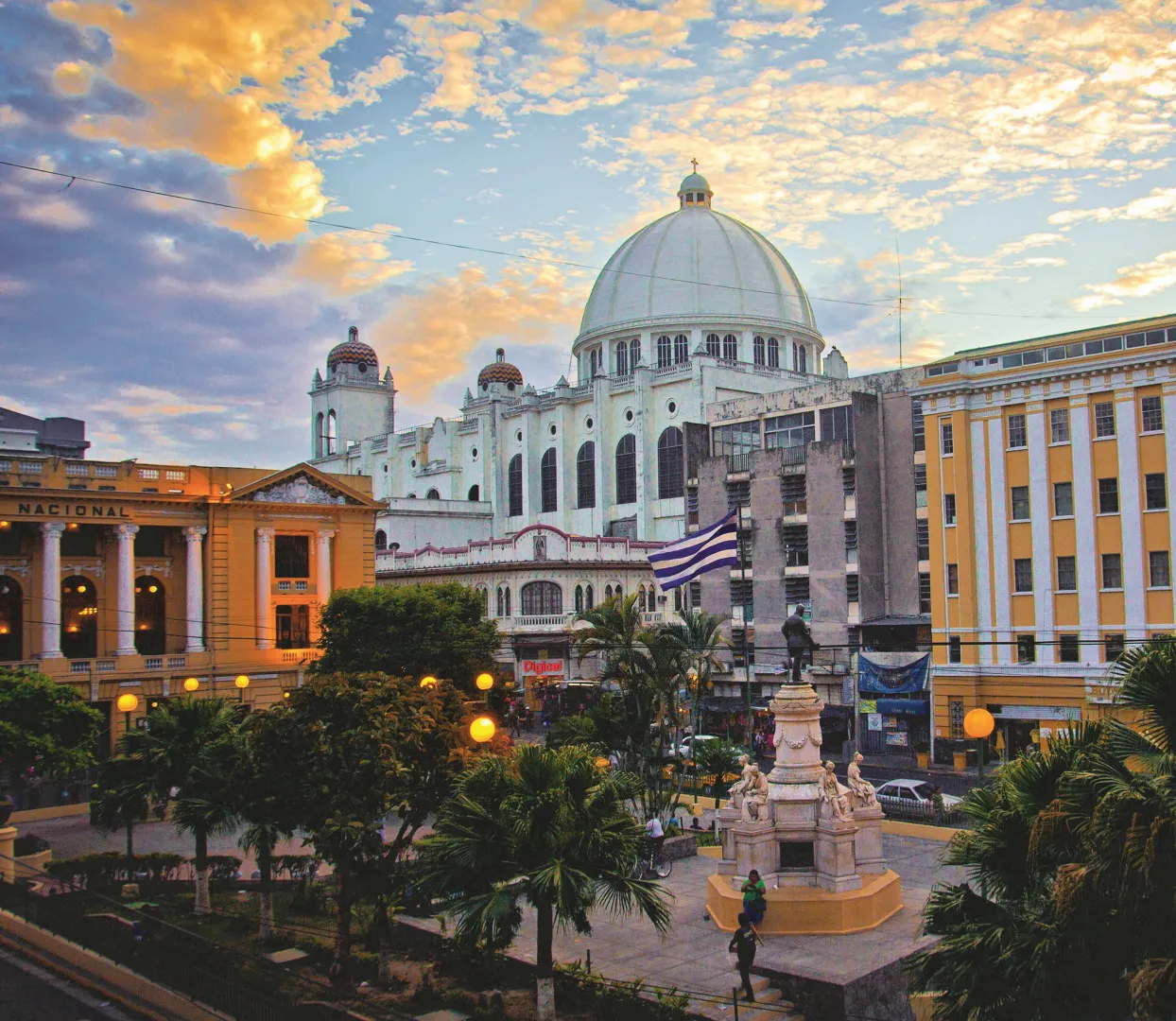
Moreover, the plan includes expanding the Port of Acajutla to promote fishing and tourism. It also involves reopening the Pacific train service to improve regional connectivity.
Additionally, plans for the country’s first green airport are underway, which will boost air travel and economic activities in the eastern regions.
Financially, Bukele’s government is negotiating with the International Monetary Fund (IMF). These talks are crucial for managing the fiscal issues arising from Bitcoin’s adoption as legal tender.
Security remains a priority too. The Territorial Control Plan targets reducing gang influence, which has historically hampered economic growth through extortion.
Bukele’s comprehensive strategy aims to rejuvenate El Salvador’s economy and strengthen its role in Central America’s economic scene.
More: Latin America news in English, every day from The Rio Times.
This article was produced by The Rio Times’ automated newsroom system. How we use AI · Report an error · Editorial responsibility: Matthias Camenzind, Editor-in-Chief