Retiring in Uruguay: The Pensionado Route

Retiring in Uruguay appeals to people who value safety, stability and a slower rhythm over bargain prices. If you can document a steady pension or passive income, the income-based residency route is often the natural fit.
Key Facts
- Safety and calm. Retirees are drawn by safety, political stability and an unhurried pace of life.
- An income-based route. The rentista or pensionado route lets you base residency on a documented pension or passive income.
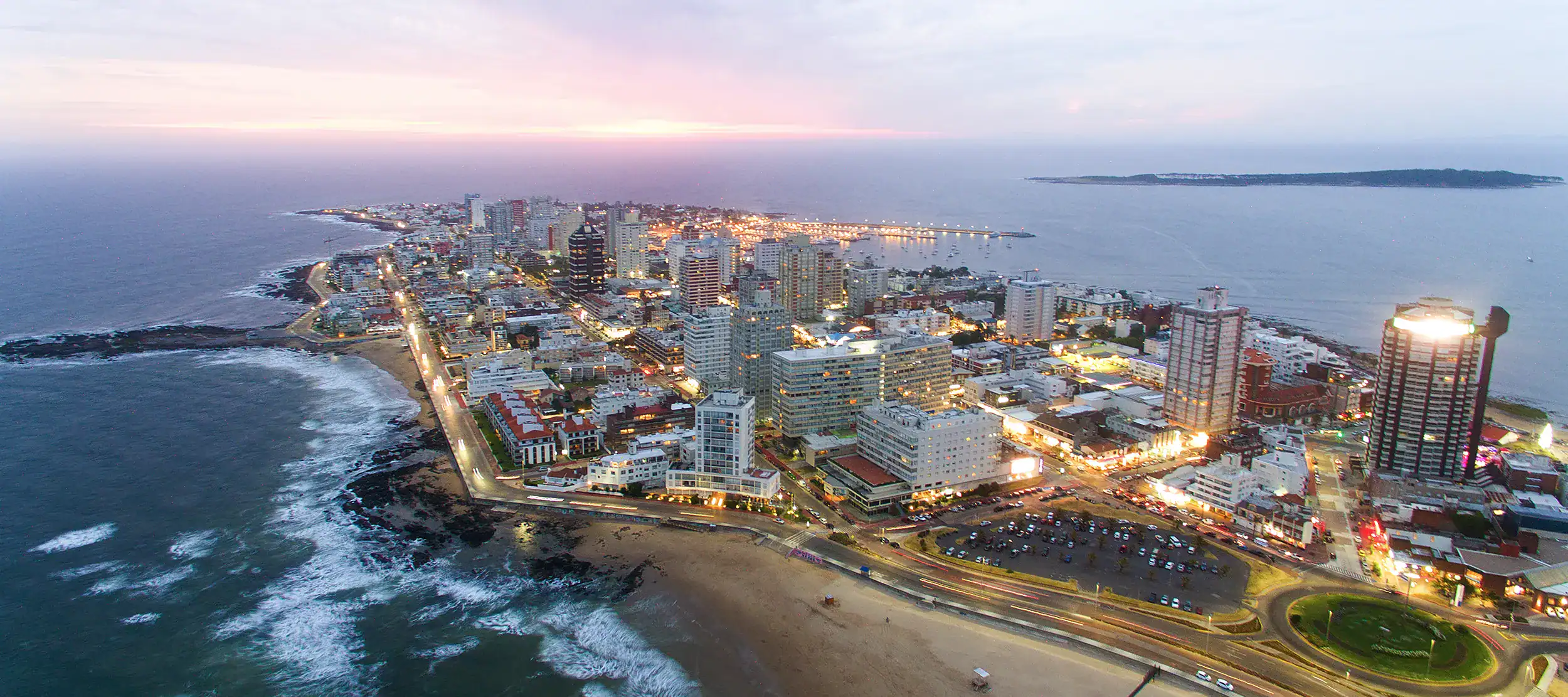
- Where they settle. Favourite places include Punta del Este, Montevideo and quieter coastal towns.
- Healthcare cover. Many retirees join the mutualista system for their day-to-day medical care.
- The trade-off. The cost of living runs higher than in some neighbouring countries.
Why retirees choose Uruguay
Above all, retirees come for peace of mind: a reputation for safety, steady politics and a society that moves at a gentle pace. It is a place where you can plan a settled, predictable life.
For many, that stability outweighs the fact that prices sit higher than in some neighbouring countries. They are buying quality of life, not the lowest cost.
The temperate climate and walkable cities add to the appeal. Days here are easy to fill with simple, pleasant routines.
The pension and income-based residency route
The rentista or pensionado route lets you base your residency on a stable pension or passive income that you can document. The emphasis is on showing a reliable, ongoing source of funds.
Good paperwork is the heart of a smooth application, so gather clear evidence of your income early. A local lawyer can confirm exactly what proof the authorities expect.
Once approved, you gain residency and, with it, your cédula. From there, daily life opens up like any resident's.
Where retirees settle
Punta del Este draws those who want a polished resort lifestyle, while Montevideo suits people who prefer a capital with culture and services. Both have well-established expat communities.
Quieter coastal towns appeal to retirees seeking calm and lower costs. Spending time in a few places before committing is the surest way to choose well.
Colonia, with its riverside charm, is another favourite for a slower pace. Each option has its own rhythm and price.
Healthcare and daily life in retirement
Healthcare commonly comes through the mutualista system, which provides regular, membership-based medical care. It is a familiar route for retirees settling in for the long term.
Many also keep an emergency móvil for fast help at home, a popular layer of cover. Together they make day-to-day health care reassuringly simple.
The leading hospitals and specialists are concentrated in Montevideo. Living within reach of the capital widens your options for complex care.
Budgeting for retirement here
The honest trade-off is cost: living here runs higher than in some neighbours, so a realistic budget matters. Rent, utilities and imported goods are the usual pressure points.
Choosing local produce and a sensible neighbourhood keeps spending comfortable. Many retirees find their money goes further than they feared with a little planning.
If your income is in dollars, keep an eye on the exchange rate. It quietly shapes your monthly comfort.
Building a social life
A gentle pace leaves plenty of room for friendships, clubs and shared mate. Retirees often find the calm social scene easy and welcoming.
Joining a class, a sport or a community group is the quickest way in. Showing up regularly turns acquaintances into friends.
The established expat communities in Montevideo and Punta del Este help too. A familiar face is rarely far away.
Getting started
Start by documenting your pension or income, then take advice on the rentista route. With residency under way, you can choose where to settle and arrange healthcare.
Visit in more than one season before you commit, and let the place show you its rhythm. Most retirees settle into Uruguayan life within a few unhurried months.
More: Latin America news in English, every day from The Rio Times.
Frequently Asked Questions
What residency route suits retirees best?
The income-based rentista or pensionado route, which lets you base residency on a documented pension or passive income. Good paperwork is the key.
Where do most retirees live?
Popular choices include Punta del Este, Montevideo and quieter coastal towns, each with its own pace and price.
How do retirees handle healthcare?
Many join the mutualista system for regular care, often adding an emergency móvil for help at home.
Is it cheaper than nearby countries?
No. The main trade-off is a cost of living that runs higher than in some neighbours, so budgeting matters.
Can I keep my pension income from abroad?
Yes, the rentista route is built around documented foreign income; take advice on the tax treatment too.
Connected Coverage
Read this with our guide to living in Punta del Este, healthcare for expats, and the full Uruguay Step by Step hub.
This article was produced by The Rio Times’ automated newsroom system. How we use AI · Report an error · Editorial responsibility: Matthias Camenzind, Editor-in-Chief
Expat Guide to Uruguay
What The Rio Times publishes for foreigners who live in or move to Uruguay.
Start here
- Best Places to Live in Uruguay for Expats 2026, Ranked
- Cost of Living Punta del Este 2026: Half Again Above Montevideo
- Uruguay vs Paraguay for Expats in 2026: Cheap Living or a Tax Holiday
- Uruguay Residency Visa Rules and the 12 Percent Tax on Foreign Income
City guides
Coming up in Uruguay
- Camilo in Montevideo, Uruguay: Colombia's Pop Star at the Antel Arena on October 28, 2026 28 Oct
- Antel Campus Party Hits Montevideo, Uruguay 30–31 Oct 30 Oct
- Soy Luna Plays Montevideo on 17 November 2026 17 Nov
- El Plan de la Mariposa Montevideo, Uruguay: Antel Arena Debut on 19 November 19 Nov
Understand Uruguay