Q2 2025: Renova Energia, Serena Energia, and JHSF Show Contrasting Fortunes in Brazil’s Diverse Economy
Brazil’s energy and real estate sectors delivered widely divergent performances in the second quarter of 2025
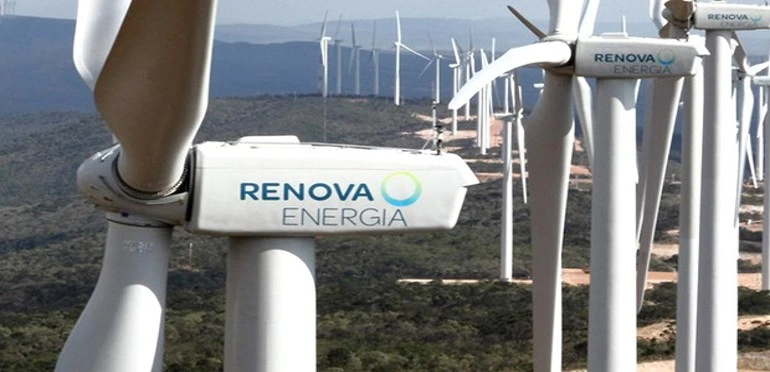
Brazil’s energy and real estate sectors delivered widely divergent performances in the second quarter of 2025. Renova Energia, Serena Energia, and JHSF – three companies operating in very different industries – posted results that tell a broader story.
This story reflects a country balancing economic opportunity with structural financial challenges. Renova Energia focuses on renewable energy, especially wind power.
Serena Energia is a major integrated energy player with a growing role in Brazil’s deregulated power trading market. JHSF Participações is a luxury-focused real estate, hospitality, retail, and executive aviation group catering to high-income customers in Brazil and abroad.
The quarter revealed strong demand drivers across the board – rising renewable energy consumption, higher trading volumes, premium urban retail sales, and luxury tourism growth – but financial burdens, cost pressures, and strategic trade-offs shaped outcomes differently for each.
Renova Energia – Q2 2025: Revenue Boom Overshadowed by Margin Pressure
Renova Energia ended Q2 2025 with a small net loss of R$ 0.22 million ($0.04 million), swinging from a R$ 13.8 million ($2 million) profit in the same quarter last year.
Net revenue soared to R$ 149.9 million ($27 million) – a 167 percent jump – fuelled by an 18.8 percent rise in wind power sales and a 250 percent surge in energy trading.
Operational profitability, however, slipped: adjusted EBITDA fell 58 percent to R$ 13.2 million ($2 million) as costs ate into gains. Financial expenses remained steep at R$ 32.6 million ($6 million), though slightly lower than a year ago.
One bright spot came from an exceptional gain: the reversal of R$ 78.7 million ($14 million) in legal contingencies, which provided a welcome earnings buffer.
Importantly, Renova emerged from a multi-year judicial recovery process in late July, freeing it from court oversight and making it easier to secure funding for future renewable projects.
Analysis: The company’s sharp revenue growth signals robust demand for wind energy and flexibility in trading, but it needs to translate this into stronger margins.
The end of court protection is a turning point, but the renewable market remains competitive, and execution discipline will determine if Renova can capitalize on Brazil’s clean energy transition.
Serena Energia – Q2 2025: Strong Sales, Smaller Loss, Heavy Debt
Serena Energia narrowed its quarterly loss to R$ 36 million ($7 million), down from R$ 102.6 million ($19 million) a year ago, despite carrying one of the heaviest debt loads among Brazilian energy companies.
Net revenue reached R$ 1.46 billion ($265 million), almost doubling from last year’s R$ 761 million ($138 million). Growth was driven by R$ 70 million ($13 million) in positive results from its energy trading platform and by improved contract margins in the liberalized energy market.
Adjusted EBITDA climbed 26 percent to R$ 421.6 million ($77 million), while operating costs were stable at R$ 53.2 million ($10 million).
Still, financial expenses took a toll: net interest and related costs jumped to R$ 275.5 million ($50 million). Net debt stood at R$ 8.6 billion ($1.56 billion), with leverage at 4.4 times EBITDA — high by industry standards.
Analysis: Serena is clearly executing on operational efficiencies, pulling in higher trading volumes and better pricing. But its debt load keeps profitability elusive.
In a sector where market volatility can quickly erode gains, reducing leverage while maintaining sales momentum will be key to cementing its turnaround.
JHSF – Q2 2025: Luxury Ecosystem Delivers Record Recurring Income
JHSF posted net income of R$ 245.8 million ($45 million) in Q2 2025, up 46 percent year-on-year, on net revenue of roughly R$ 1.38 billion ($251 million) – a 25 percent increase.
EBITDA rose 59 percent to R$ 347.7 million ($63 million), with adjusted EBITDA (excluding revaluation of investment properties) at R$ 247.2 million ($45 million).
Recurring income assets – which include shopping centers, hotels, executive airports, and rental residences – contributed a record 61 percent of adjusted EBITDA, underscoring JHSF’s diversification strategy.
Shopping Centers: Sales through its malls rose 17 percent to R$ 1.2 billion ($218 million), driven by performance at flagship Cidade Jardim (+27 percent).
Hospitality: Hotel daily rates rose nearly 16 percent to R$ 4,100 ($745), boosting segment profit.
Residential Rentals & Clubs: Revenue more than doubled to R$ 38.7 million ($7 million), flipping from a prior-year loss to R$ 136.6 million ($25 million) in net income.
Catarina Executive Airport: Revenue climbed 48 percent to R$ 65 million ($12 million), with net profit up 137 percent to R$ 42.2 million ($8 million).
Real Estate Development: Revenue was R$ 166.1 million ($30 million), with sales of R$ 293.8 million ($53 million).
Net debt reached R$ 1.57 billion ($285 million), up 39 percent year-on-year, but the company’s debt-to-equity ratio remained well within internal limits.
Over the past year, JHSF raised R$ 2.9 billion ($527 million) in capital markets, extending maturities and cutting borrowing costs.
Analysis: JHSF embodies Brazil’s high-end consumer resilience. While the overall property market is slower, the luxury segment remains buoyant.
Its model – integrating retail, hospitality, aviation, and residences – reduces risk from any single segment. International expansions, like the Fasano club in Sardinia, further position it as a niche global luxury player.
The Story Behind the Story
Beneath the numbers, Q2 2025 for these three companies reflects three sides of Brazil’s economic reality:
Renova Energia: A recovering renewable firm ready to grow again, but still wrestling with turning sales into sustainable profitability in a fast-moving and competitive sector.
Serena Energia: A scale-driven powerhouse proving that operational improvement is possible, but still shackled by the weight of debt – a challenge that mirrors much of Brazil’s capital-intensive energy sector.
JHSF: A luxury and lifestyle giant thriving on wealth concentration and aspirational spending, serving as a reminder that in Brazil’s uneven economy, premium niches can grow no matter broader macro volatility.
Together, they illustrate Brazil’s duality — an economy with both structural fragility and pockets of extraordinary growth potential.
This article was produced by The Rio Times’ automated newsroom system. How we use AI · Report an error · Editorial responsibility: Matthias Camenzind, Editor-in-Chief
LatAm Markets: Live Signals → — real-time movers, turnover leaders and FX across Latin America.