Brazil’s Biomm, Metalfrio, and Panvel: Q2 2025 Results Show Resilience Across Pharma, Industry, and Retail
In the second quarter of 2025, three major Brazilian companies—Biomm, Metalfrio, and Panvel—released results that highlight
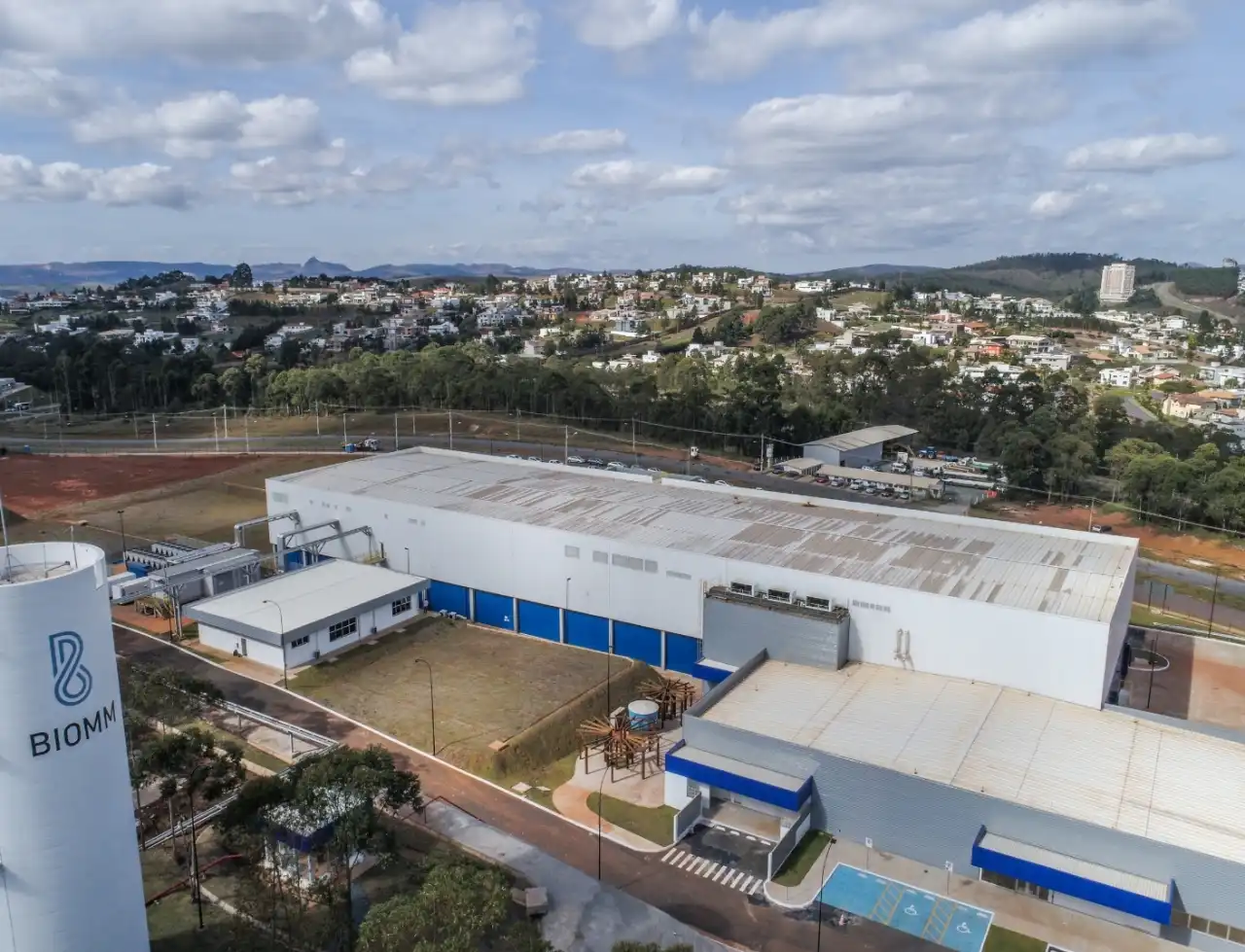
In the second quarter of 2025, three major Brazilian companies—Biomm, Metalfrio, and Panvel—released results that highlight both the opportunities and challenges of Brazil’s diverse economy.
These firms operate in industries that touch the everyday lives of millions: medicines, refrigeration, and pharmacies. Their latest numbers tell not just a story of quarterly profits and losses, but also one of strategic shifts, international competition, and resilience under pressure.
- Biomm is a pharmaceutical firm specializing in biotechnology and diabetes treatments.
- Metalfrio makes commercial refrigeration equipment, exporting around the globe.
- Panvel is one of Brazil’s largest retail pharmacy chains, serving millions of customers through a vast store network.
Biomm: Navigating Setbacks in Pharma with a Focus on Diabetes
Biomm faced another tough quarter, but the losses are shrinking. The company reported a net loss of R$13.7 million (about $2 million), an improvement of nearly 25% over last year.
Operating costs dropped sharply to R$21.6 million (roughly $4 million), and while the EBITDA was still negative at R$12 million (around $2 million), this was a marked improvement over 2024.

Revenue, though, fell 15% to R$27 million (about $5 million), mainly because Biomm stopped selling Herzuma—a cancer drug—and saw weaker sales of Glargilin, a key diabetes product.
Despite the downturn, Biomm actually grew its share of Brazil’s insulin glargine market to 34%, slightly outperforming international giants Sanofi and Eli Lilly.
Biomm expanded its presence in this market by 38% over the past year, even as the broader segment grew only 13% to a total market size of about R$3.2 billion ($587 million).
Biomm also found strength in blood thinners, with Ghemaxan (enoxaparin) sales rising by 29% in a market that actually shrank 8%. The company now controls 4% of Brazil’s anticoagulant market, lagging behind Sanofi’s commanding 56%.
While the numbers are still in the red, Biomm’s focus on diabetes and anticoagulants shows its willingness to battle global heavyweights and adapt quickly to shifting healthcare needs.
Metalfrio: From Loss to Profit by Riding Global Tides
Metalfrio turned things around this quarter, swinging from a loss last year to a profit of R$21 million (about $4 million).
Its total sales hit R$702 million (about $128 million), a jump of more than 15%. The key to this success? The strong euro, which boosted revenues from Europe, and a push to capture new business in Asia.
The company’s European, Middle Eastern, and African sales reached R$359 million ($65 million), up 19%, while South America also grew strongly to R$229 million ($42 million). North America held steady at R$114 million ($21 million).
Metalfrio kept operating costs under control—general and administrative expenses were R$77 million ($14 million)—and posted an impressive EBITDA margin of nearly 12%.
One challenge remains: debt. Metalfrio’s net debt is still high at R$677 million ($122 million), but the situation has improved since March (when it was R$707 million / $129 million).
Financial losses, mostly from interest and currency effects, shrank to R$30 million ($6 million), down from R$50 million ($9 million) last year.
This quarterly performance shows that managing currency exposure and expanding globally can pay off—and that Metalfrio is learning how to balance risk with opportunity.
Panvel: Pharmacy Retailer Delivers Strong Growth
Panvel enjoyed a standout quarter, with profit soaring to R$25 million (about $5 million)—five times what it made a year ago. Total sales leapt 16% to R$1.31 billion ($238 million), driven by its network of pharmacy stores across Brazil.
The company’s gross profit climbed 19% to R$434 million ($79 million), with strong gains in efficiency and scale. Adjusted EBITDA also grew sharply, up 43% to R$70 million ($13 million).
There were some headwinds: Panvel’s financial costs (payments on debt, etc.) increased to R$28 million ($5 million), reflecting the impact of higher interest rates in Brazil.
Yet, Panvel reduced its net debt to R$317 million ($58 million), improving its leverage ratio (net debt to EBITDA) from 1.2x to 1.1x. This signals a healthier balance sheet and the capacity to keep growing without taking on unsustainable risk.
Panvel’s success story this quarter shows the gains to be made in Brazilian retail when companies combine operational discipline with expansion to meet rising consumer demand.
This article was produced by The Rio Times’ automated newsroom system. How we use AI · Report an error · Editorial responsibility: Matthias Camenzind, Editor-in-Chief
LatAm Markets: Live Signals → — real-time movers, turnover leaders and FX across Latin America.