Ser Educacional, Vulcabras and LWSA Show Contrasting Fortunes in Brazil’s Q2 2025 Earnings Season
In Brazil’s latest earnings season, three very different companies—Ser Educacional (higher education), Vulcabras (sports footwear)
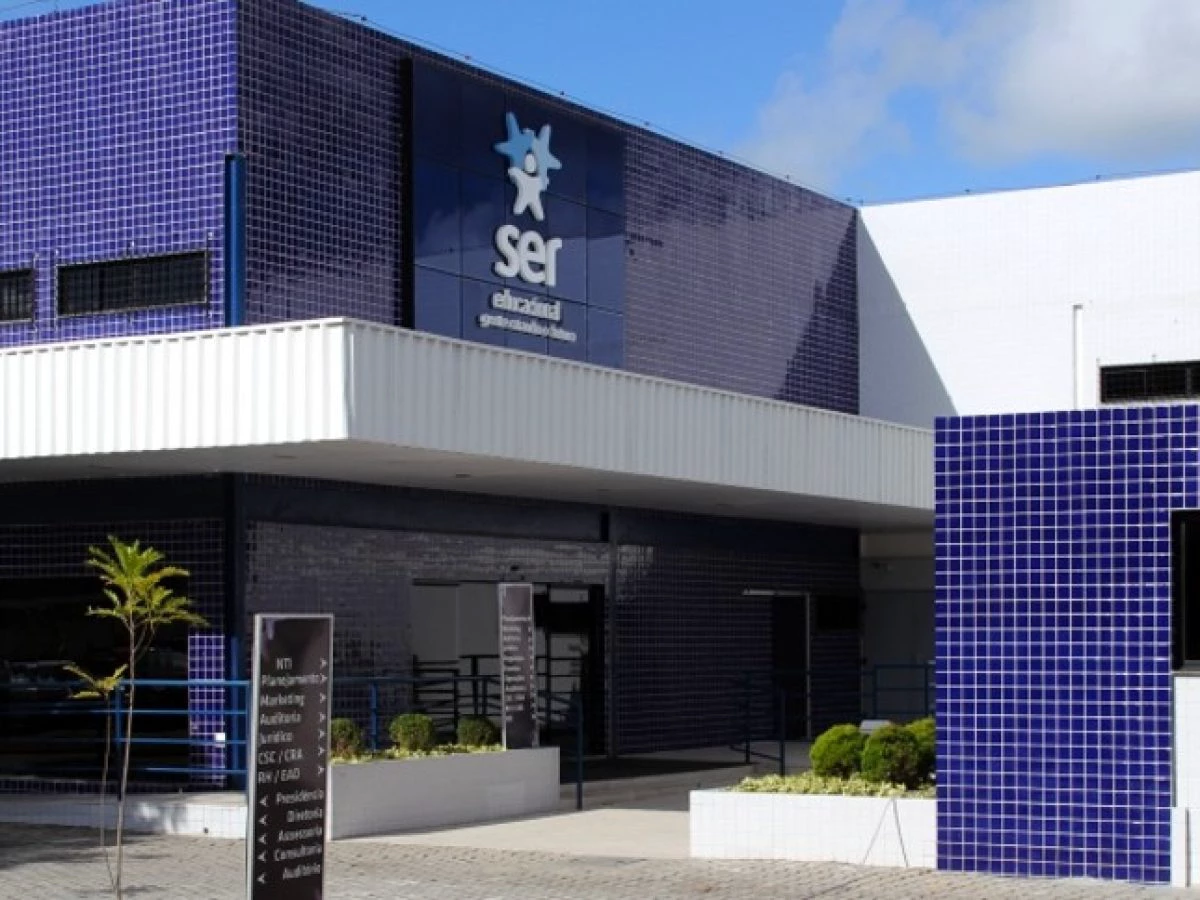
In Brazil’s latest earnings season, three very different companies—Ser Educacional (higher education), Vulcabras (sports footwear), and LWSA (digital services)—painted a vivid picture of a country’s economy juggling growth opportunities with structural challenges.
Ser Educacional’s numbers reveal how premium education, especially medical courses, is driving margins in a competitive field.
Vulcabras shows how even in a pressured economy, brands can stretch beyond survival into sustained growth—boosted this time by a one-off tax credit windfall.
And LWSA, while growing its top line, demonstrates how rising costs and taxes can quietly chip away at the digital sector’s profitability.
For investors—and anyone watching Brazil’s evolving markets—these three reports hint at trends beyond mere quarterly ups and downs.
They reveal the urban middle class’s appetite for education, the resilience of domestic consumer brands, and the intensifying battle among tech providers for small-business wallets.
Ser Educacional – Q2 2025: A Strong Semester for Higher Education
Ser Educacional, one of Brazil’s largest private university groups, mostly serving the country’s Northeast and North, posted net profit of BRL 81 million (USD 15M) in the second quarter—a 66% jump from a year ago.

This was no fluke; the company has been quietly reshaping its business towards high-demand medical programs and hybrid learning models.
Net revenue rose 11% to BRL 589 million (USD 107M), driven by rising student enrollments, improved campus occupancy, and several new units opening their doors.
Medical courses—requiring long study periods and offering higher tuition—are proving to be an anchor for profitability. Operationally, EBITDA was BRL 163 million (USD 30M), up 25% from last year.
Net debt dropped to BRL 647 million (USD 118M), cutting leverage to 1.24x EBITDA from 1.93x, thanks to stronger cash generation.
Behind the story: Brazil’s private education market is in flux. The pandemic accelerated adoption of hybrid models, but margins remain fragile for many operators.
Ser Educacional’s bet on medicine—where supply is tightly regulated—offers pricing power most education sectors lack. That strategic pivot seems to be paying off both in top-line expansion and in reduced financing risk.
Vulcabras – Q2 2025: From Running Shoes to a Big Tax Boost
Vulcabras, maker of the popular sports brand Olympikus, delivered net profit of BRL 353 million (USD 64M)—more than double the prior year’s figure.
A large part of that gain came from a one-off PIS/Cofins tax credit, but even without it, recurring profit rose 4% to BRL 145 million (USD 26M).
Revenue climbed 17% to BRL 1.04 billion (USD 189M), marking the company’s 20th straight quarter of growth. Domestic sales were the star, rising 19% to BRL 861 million (USD 157M), while exports slipped 10% to BRL 34 million (USD 6M).
The Olympikus Corre performance running line now accounts for one-fifth of total revenue—a deliberate move into higher-value footwear.
EBITDA surged 69% to BRL 296 million (USD 54M), with margins expanding sharply. Excluding tax credits, recurring EBITDA stood at BRL 191 million (USD 35M), slightly squeezed by higher production costs for more technical shoes.
The company also paid BRL 300 million (USD 55M) in interim dividends, underscoring strong cash generation. E-commerce sales jumped 34% to BRL 132 million (USD 24M), without relying on aggressive discounting.
Behind the story: Vulcabras shows that in Brazil’s turbulent consumer market—still facing inflation and global trade headwinds—brands with a strong domestic focus can outperform.
The company saw the running boom early (back in 2019) and doubled down on performance gear. This has insulated it from volatile export markets and enabled pricing gains, but also brought the challenge of more complex, costly manufacturing.
LWSA – Q2 2025: Revenue Up, But Costs and Taxes Bite
LWSA, formerly known as Locaweb, is a Brazilian provider of web hosting, SaaS, and e-commerce tools, serving mainly small and medium enterprises.
In Q2 2025, it posted net profit of BRL 16 million (USD 3M), down almost 14% from a year earlier, despite posting top-line growth.
Net revenue climbed 10% to BRL 371 million (USD 67M), reflecting steady expansion in its digital platforms. Adjusted EBITDA rose 16% to BRL 76 million (USD 14M), with margin improving to 20.5%.
But the gains were partly undone by operational costs of BRL 336 million (USD 61M)—up 8%—and a sharp increase in income taxes, which tripled to BRL 11 million (USD 2M). Financial expenses also almost doubled.
The quarter ended with net cash of BRL 131 million (USD 24M), after accounting for acquisitions and share buybacks.
Behind the story: Brazil’s digital services sector is growing, but competition is fierce. LWSA’s strategy is to lock in small-business clients through integrated solutions, but the cost of acquiring and supporting those customers is climbing.
The rising tax burden—a trend not unique to LWSA—is another reminder that in Brazil’s tech sector, scale alone doesn’t shield profitability.
This article was produced by The Rio Times’ automated newsroom system. How we use AI · Report an error
LatAm Markets: Live Signals → — real-time movers, turnover leaders and FX across Latin America.