Predictable Policies Will Pull Investors to East Africa, Kenya Says
Kenya · INVESTMENT
Key Facts
- —What happened President William Ruto told an AmCham summit in Nairobi on 10 September 2026 that predictability is the product Kenya is selling to investors.
- —How big Kenya says it has carried out more than 50 business-enabling reforms over three years, including a digitised Investment One Stop Centre.
- —The market Ruto said the East African Community market exceeds 300 million people, COMESA exceeds 700 million, and the AfCFTA covers 1.4 billion people.
- —The catch Invest Kenya says unpredictability is the issue most often raised by prospective investors, and PwC says Kenya is compared with regional rivals that have lower costs and more predictable policies.
- —What comes next The proposed Investment and Export Promotion Bill, 2026 would create an Investment Tribunal and a Presidential Dialogue Forum to anchor investor protections.
Kenya is betting that predictable policies, not tax giveaways, will pull investors to East Africa, with President William Ruto telling an American Chamber of Commerce summit that clarity is the country’s main selling point.
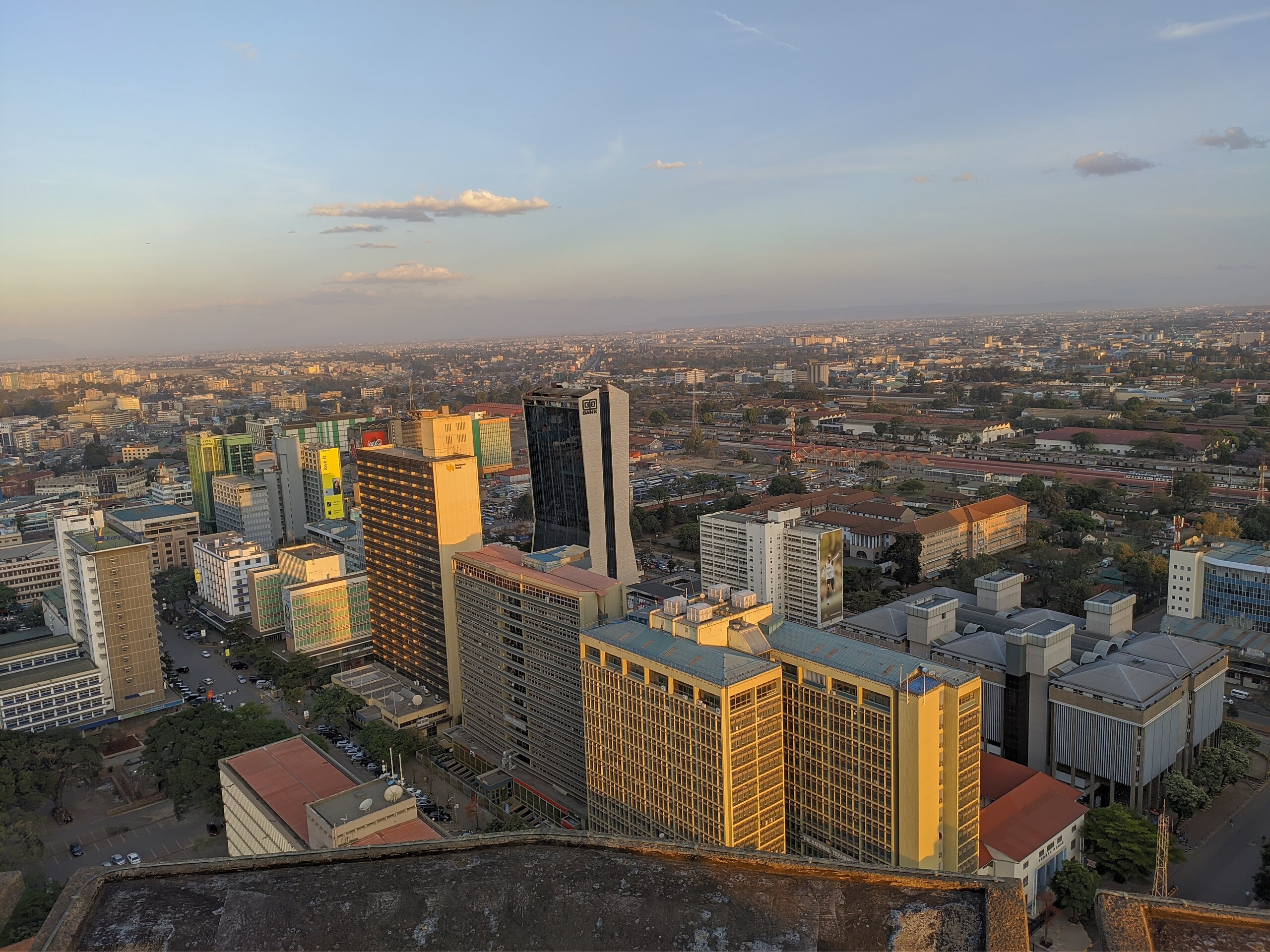
Kenya is making a direct pitch to global capital: the rules will be clear, stable and enforceable. President William Ruto told an AmCham summit in Nairobi on 10 September 2026 that “predictability is the product Kenya is selling.”
Kenya shifts the pitch from incentives to predictable policies
Ruto said his government had carried out more than 50 business-enabling reforms over three years. The message marks a deliberate move away from competing mainly on tax breaks and toward competing on the reliability of the investment regime.
The reforms include the County Licensing (Uniform Procedures) Act and a digitised Investment One Stop Centre. The centre is designed to cut the time and friction investors face when dealing with multiple government agencies.
The centrepiece is the proposed Investment and Export Promotion Bill, 2026. Ruto said the bill would protect against unlawful expropriation and guarantee repatriation of capital, profits and dividends.
It would also create an Investment Tribunal and a Presidential Dialogue Forum. These bodies are intended to give investors a formal route to resolve disputes and to raise concerns directly with the presidency.
The market size behind the East Africa pitch
Kenya is framing its offer around access to a much larger regional market. Ruto said the East African Community market exceeds 300 million people, while the Common Market for Eastern and Southern Africa, known as COMESA, exceeds 700 million.
The African Continental Free Trade Area, or AfCFTA, covers 1.4 billion people. That makes the continental market one of the largest free trade zones by population in the world.
Kenya’s Treasury says it is using economic diplomacy, trade missions and investor roadshows to attract foreign direct investment. The goal is to strengthen Kenya’s position as a regional hub for capital and logistics.
This regional framing matters because investors rarely look at Kenya in isolation. They weigh it against neighbours such as Rwanda, Tanzania and Ethiopia, which are also courting the same capital.
What the United States sees in Kenya
The United States State Department’s 2025 Investment Climate Statement offers a broadly positive view. It says Kenya has a positive investment climate, improving foreign direct investment conditions, and no restrictions on converting or transferring investment funds.
The statement also notes that Kenya has stable foreign exchange reserves. That is a practical concern for investors who need to move money in and out without sudden currency shocks.
Yet the same document points to the gap between ambition and experience. Investor concern remains policy volatility, and that is where Kenya’s new emphasis on predictability is aimed.
Invest Kenya’s John Mwendwa said unpredictability is the issue most often raised by prospective investors. That admission from the country’s own investment promotion body gives the government’s new pitch its urgency.
The regional read-through and the great-power angle
East African governments and business groups are tying investment to regional integration and faster cross-border rules. The East African Business Council has called for quicker deal conversion and deeper integration to turn interest into actual projects.
Kenya wants to be the gateway for capital serving African markets. That places it inside a wider contest for influence and resources that shapes the Africa: The New Scramble.
The United States, China, the Gulf states and European lenders all have interests in East African infrastructure, logistics and digital finance. Kenya’s ability to offer clear rules could determine which partners deepen their presence.
For investors, the question is whether the proposed bill becomes law and whether the new institutions actually work. Promises of predictability are only as good as the enforcement behind them.
Who gains and who loses
Long-term institutional investors stand to gain most from a more predictable regime. Pension funds, infrastructure developers and manufacturers need stable rules over decades, not just a favourable tax rate in year one.
Local businesses may face a more competitive environment as foreign capital arrives. The government argues that a clearer framework protects everyone, including Kenyan firms that want to expand across borders.
PwC says Kenya is being compared with regional rivals that have lower costs and more predictable policies. That is a blunt warning: if Kenya does not close the predictability gap, capital will go elsewhere.
The proposed Investment Tribunal could reduce the perception that disputes are resolved slowly or through political channels. That matters for investors who want legal certainty rather than personal connections.
What to watch next
The next test is whether the Investment and Export Promotion Bill, 2026 moves through parliament and becomes law. Investors will watch the final text for any weakening of the protections Ruto described.
The Presidential Dialogue Forum will also be judged by how often it meets and whether it produces concrete fixes. A forum that exists only on paper would undermine the entire predictability message.
Kenya’s Treasury is expected to continue its roadshows and trade missions through the rest of 2026. The real measure of success will be whether foreign direct investment commitments convert into registered projects and jobs.
For now, Kenya has named the problem honestly and offered a legal fix. The market will decide whether the product it is selling is real.
Frequently Asked Questions
What is Kenya’s main pitch to foreign investors in 2026?
Kenya is pitching predictable policies rather than tax giveaways, with President William Ruto saying predictability is the product Kenya is selling.
What protections would the Investment and Export Promotion Bill, 2026 provide?
The bill would protect against unlawful expropriation, guarantee repatriation of capital, profits and dividends, and create an Investment Tribunal and a Presidential Dialogue Forum.
How large is the regional market Kenya is offering investors access to?
Ruto said the East African Community market exceeds 300 million people, COMESA exceeds 700 million, and the AfCFTA covers 1.4 billion people.
Connected Coverage
Sources
This article was produced by The Rio Times’ automated newsroom system. How we use AI · Report an error
LatAm Markets: Live Signals → — real-time movers, turnover leaders and FX across Latin America.
Read More from The Rio Times