JBS’s Pilgrim’s Pride Sees Profit Slump on Chicken Glut
Brazil · Agribusiness
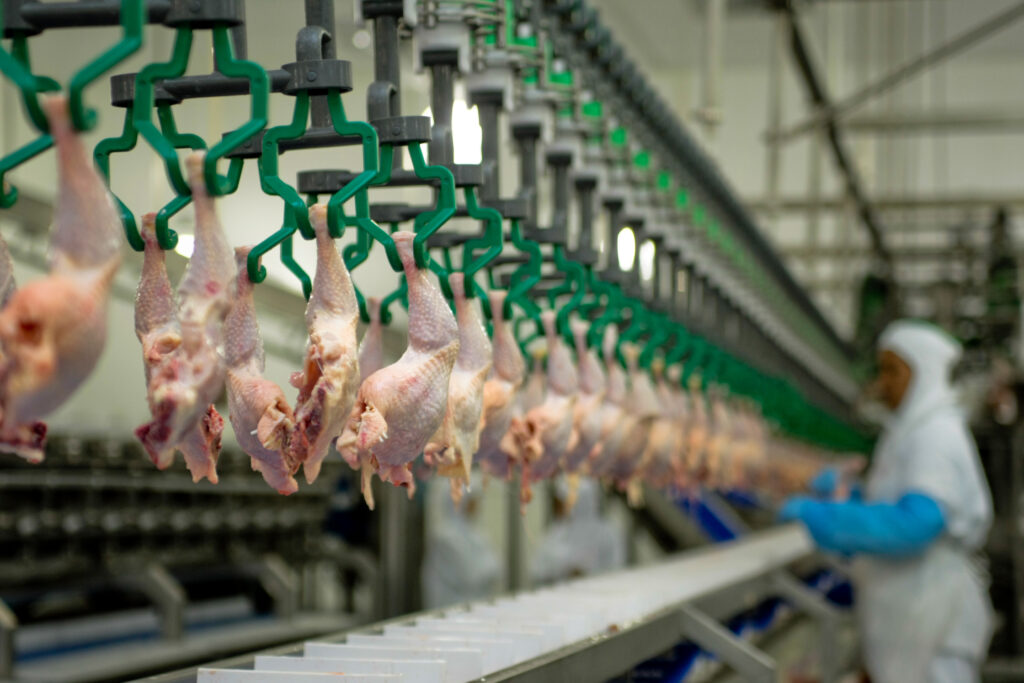
Pilgrim’s Pride, the US chicken giant controlled by Brazil’s JBS, saw second-quarter profit tumble as a glut of poultry pushed prices down — a soft patch that flows straight through to its Brazilian parent’s bottom line.
Key Facts
Sales. Net sales were US$4.6 billion, down 2.8% year on year and below analyst estimates.
Profit. GAAP net income fell to US$13.2 million (EPS US$0.06); adjusted net income was US$153.9 million.
Margins. Adjusted EBITDA dropped about 48% to US$360 million, a 7.8% margin.
Owner. Pilgrim’s Pride is majority-owned by Brazil’s JBS.
The numbers
Pilgrim’s Pride (Nasdaq: PPC) reported second-quarter 2026 net sales of US$4.6 billion, down 2.8% from a year earlier and short of Wall Street’s expectations. GAAP net income slid to US$13.2 million, or US$0.06 a share, while adjusted net income — which strips out one-off items — came in at US$153.9 million (US$0.64 a share). Adjusted EBITDA, a closely watched profit gauge, fell roughly 48% to US$360 million, for a 7.8% margin.
The dramatic 48% decline in adjusted EBITDA highlights how swiftly the protein cycle can turn against even the most efficient operators. On a year-over-year basis, the implied margin was approximately 14.6%, highlighting a nearly halving of the profit cushion in just twelve months.
The gap between GAAP and adjusted net income points to substantial one‑time charges during the quarter, likely tied to restructuring or impairment costs linked to the plant modernization program. Investors typically focus on the adjusted figure, seeing it as a cleaner measure of underlying earnings power.
The JBS connection
For readers in Brazil, the number that matters sits one level up. Pilgrim’s Pride is majority-owned by JBS, the São Paulo-based company that is the world’s largest meat processor, so the US chicken producer’s swings land directly on JBS’s consolidated results. When poultry margins compress in the United States, JBS feels it in Brazil — which is why a soft quarter at Pilgrim’s is a Brazilian corporate story as much as an American one.
The North American chicken operations are a cornerstone of JBS’s global portfolio, often providing the balance that offsets volatility in other proteins like beef and pork. With Pilgrim’s Pride contributing a significant slice of JBS’s total EBITDA, any prolonged margin squeeze immediately fans concerns among investors on Brazil’s B3 exchange.
JBS’s diversified model across geographies and species is designed to cushion such blows, but the sheer size of the US chicken business means its results can move the needle for the entire group. For Brazilian shareholders, the Pilgrim’s Pride reset is a reminder that commodity cycles do not stop at national borders.
Live Company IntelligenceJBS N.V. — the full investor dossier
Wall Street view
Valuation & profitability
Price & risk
$10.6152-wk high
$17.27
Revenue trend · 6y
Ownership
Dividend
Why profit fell
The culprit was oversupply. Chicken production grew faster than demand, dragging commodity prices lower and squeezing margins across the industry. Pilgrim’s said the picture was not all bleak: results improved from the previous quarter thanks to productivity gains, completed plant upgrades and better live-operations performance. But the year-on-year comparison highlights how cyclical the protein business remains, and how exposed even the biggest players are to a swing in prices.
The industry’s own success sowed the seeds of the downturn, as favorable feed costs and earlier high margins encouraged producers to ramp up hatchings and expand flocks. That additional supply hit a consumer market that was still digesting inflationary pressures, leaving retail and wholesale prices under sustained pressure throughout the April‑June period.
The sequential improvement from the first quarter offers a silver lining, showing that internal efficiencies can partly offset external headwinds. Completed plant upgrades, including automation and line-speed enhancements, allowed the company to produce more pounds per labor hour, while better bird health metrics boosted live-operations yields even as selling prices remained subdued.
Management’s commentary suggests the cost‑cutting and modernization efforts are gaining traction, but they are running against a powerful market tide. Until chicken supply growth moderates or demand picks up meaningfully, the price environment is likely to remain challenging for the sector.
Broader industry context
Pilgrim’s Pride’s results did not emerge in a vacuum; they mirror a wider air pocket in the global poultry trade. US Department of Agriculture data had flagged rising cold-storage inventories and heavier bird weights well before the quarter closed, signaling that the production pipeline was overfilled.
Several competitors in the broiler segment reported similar margin compression, confirming that this is a market‑wide phenomenon rather than a company‑specific misstep. That systemic nature, however, offers little comfort to JBS shareholders, as it implies the weakness could persist until industry discipline returns.
What comes next
Looking ahead, much will depend on whether breeders begin to trim their flocks and whether food‑service and retail channels accelerate inventory drawdowns. The company’s improving operational metrics provide a floor, but a sustained recovery in earnings likely requires the supply‑demand balance to tighten.
For JBS, the coming quarters will test the resilience of its business model, as the Brazilian parent looks to other divisions — such as Seara in processed foods or its Australian beef operations — to pick up the slack. Investors will be watching closely to see if the Pilgrim’s cost measures can translate into stronger margins the next time chicken prices turn higher.
Frequently Asked Questions
How did Pilgrim’s Pride do in Q2?
Sales fell 2.8% to US$4.6 billion, GAAP net income was US$13.2 million, and adjusted EBITDA dropped about 48% to US$360 million.
What is the Brazil connection?
Pilgrim’s Pride is majority-owned by JBS, the world’s largest meat processor, based in Brazil.
Why did profit fall?
Chicken oversupply pushed prices down, though results improved from the prior quarter.
Connected Coverage
Brazil’s Financial Morning Call for Friday, July 31, 2026
Sources: Pilgrim's Pride.
This article was drafted with automated assistance and reviewed before publication. How we use AI · Report an error · Editorial responsibility: Matthias Camenzind, Editor-in-Chief
Read More from The Rio Times