Fujimori’s Plan Would Shrink Peru’s Troubled State Oil Firm
Energy
Key Facts
—The plan. Peru’s incoming government wants state oil firm Petroperu to refocus on refining and distribution and to sell non-strategic assets.
—The pipeline. The blueprint proposes handing the Norperuano oil pipeline to a specialised private operator.
—The author. The proposal is part of the economic programme of president-elect Keiko Fujimori, who takes office on July 28.
—The backdrop. Petroperu has been through repeated bailouts and privatisation debates as its finances deteriorated.
—The market read. Ratings agency Moody’s expects a Fujimori government to preserve policy continuity and lift investor confidence.
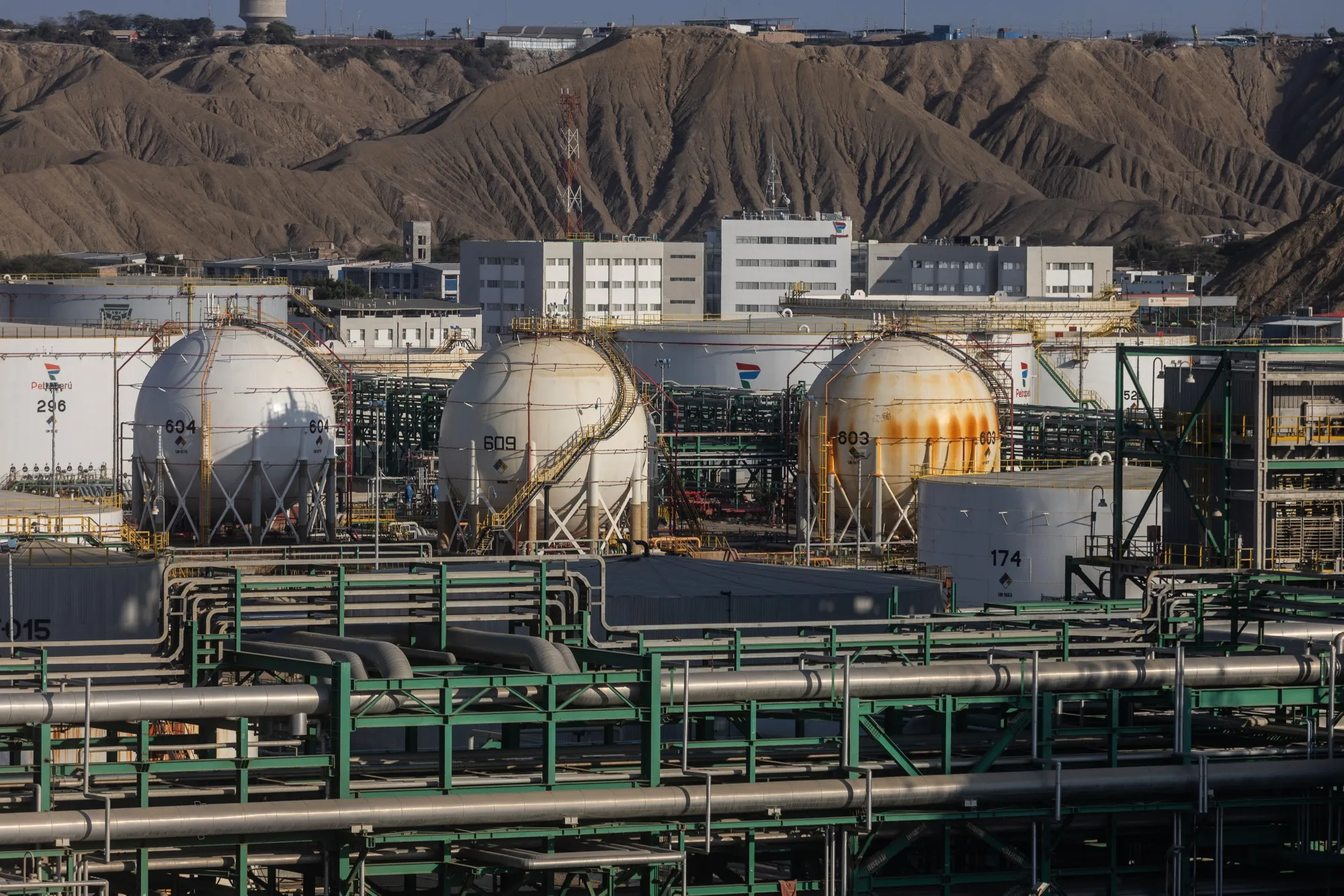
Peru’s incoming government wants to shrink Petroperu, the troubled state oil company. It plans to sell assets and hand the main pipeline to a private operator, a clear signal of the market-friendly turn coming to Lima.
The proposal sits inside the economic programme of president-elect Keiko Fujimori. She narrowly won June’s runoff and takes office on July 28.
Her plan is laid out in the published Fujimori programme. It calls for Petroperu to focus on refining and distribution rather than trying to do everything across the oil chain.
The centrepiece is a proposed sale of the company’s non-strategic assets. The idea is to strip the firm back to a manageable core after years in which its ambitions outran its finances.
The plan also targets infrastructure. It proposes transferring management of the Norperuano oil pipeline, which carries crude from the Amazon to the coast, to a specialised private operator.
Why Petroperu needs restructuring
The company has been a persistent drain on the state. Its finances deteriorated sharply in recent years, forcing repeated government support and reviving debate over whether it should be privatised outright.
The wider hydrocarbons sector has been sidelined in Peru, with oil production and investment falling. Part of that decline traces back to the uncertainty around Petroperu itself, which has struggled to fund its operations.
Fujimori’s answer is to narrow the company’s mandate rather than wind it down. Refining and distribution are steadier, lower-risk businesses than exploration, and focusing there is meant to stabilise the balance sheet.
The pipeline hand-off follows the same logic. A dedicated private operator, the thinking goes, could run the Norperuano line more reliably than a cash-strapped state firm juggling many priorities.
How the Petroperu plan fits the wider agenda
The restructuring is one strand of a broader deregulatory push. Fujimori‘s programme, rooted in the free-market model her father built in the nineteen-nineties, promises lighter regulation and faster approvals for investment projects.
Mining is the bigger prize, since it drives close to a tenth of the economy and the bulk of exports. But the energy plan matters as a signal that the state will step back and let private capital lead.
Markets have responded to the direction of travel. Ratings agency Moody’s issued a report saying a Fujimori government would preserve policy continuity, bolster investor confidence and help unlock delayed projects.
That continuity, more than any single reform, is what investors want. Peru has churned through presidents at a dizzying pace, and the promise of a stable, predictable framework is itself a selling point.
What a foreign reader should watch
The test is delivery. Fujimori won by fewer than fifty thousand votes and her party lacks a majority in either house, so pushing asset sales and a pipeline transfer through Congress will take negotiation.
There is also a political charge to any privatisation in Peru, where state ownership of oil carries symbolic weight. The plan’s fate will show how much of her market agenda Fujimori can actually enact.
The mining backdrop sharpens the stakes. Peru is the world’s third-largest copper producer, yet metallic mining is forecast to grow barely at all this year even with prices near record highs.
Unlocking that stalled pipeline of projects is the real economic test, and a credible energy reform helps set the tone. If the state runs its own assets more efficiently, private miners may read it as a signal that Peru is open for business again.
What would change at Petroperu under the plan?
The incoming government wants Petroperu to concentrate on refining and distribution and to sell assets it deems non-strategic. It also proposes handing management of the Norperuano oil pipeline to a specialised private operator rather than keeping it inside the state company.
Why is Petroperu being restructured?
The company’s finances deteriorated sharply in recent years, forcing repeated state support and reviving debate over privatisation. Narrowing its focus to steadier refining and distribution is meant to stabilise its balance sheet and reduce the burden on public finances.
How have markets reacted to the incoming government?
Markets welcomed Keiko Fujimori’s victory, having been rattled by the prospect of a leftist win. Ratings agency Moody’s said a Fujimori government would preserve policy continuity and could help unlock delayed mining projects in the world’s third-largest copper producer.
Connected Coverage
Fujimori’s Plan for Peru: US$5bn in Investment a Year, 500,000 Jobs
Fujimori’s Plan for Peru: US$5bn in Investment a Year, 500,000 Jobs
Latin America Economy 2026: Growth, Tariffs and Opportunities
Frequently Asked Questions
What exactly does the plan want to do with Petroperu?
The plan wants Petroperu to focus only on refining and distribution and to sell off assets the government considers non-strategic. It also proposes handing management of the Norperuano oil pipeline to a specialised private operator.
Why does Petroperu need restructuring in the first place?
Petroperu's finances deteriorated sharply in recent years, forcing the government to bail it out repeatedly and sparking debate over whether to privatise it entirely. Narrowing its role to refining and distribution is meant to stabilise its finances and reduce the drain on public money.
When does Keiko Fujimori take office and how strong is her political position?
Fujimori takes office on July 28, but her position is not especially strong. She won the runoff by fewer than fifty thousand votes and her party lacks a majority in either house of Congress, so pushing through asset sales and the pipeline transfer will require negotiation.
This article was produced by The Rio Times’ automated newsroom system. How we use AI · Report an error · Editorial responsibility: Matthias Camenzind, Editor-in-Chief