Keiko Fujimori Inherits Peru’s Contested $3.5bn F-16 Fighter Deal
Defense
Key Facts
—The deal. Peru selected Lockheed Martin’s F-16 Block 70, a program valued at up to $3.5bn for 24 jets.
—The handover. President-elect Keiko Fujimori takes office on July 28, inheriting the contract and its politics.
—Already committed. The cabinet signed the first phase in April and wired a first payment of $462m.
—The losers. Sweden’s Saab Gripen E and France’s Dassault Rafale were beaten after Gripen had been the early favorite.
—The stakes. Washington tied the sale to Peru’s new Major Non-NATO Ally status and a $1.5bn naval-base contract.
The Peru F-16 deal is one of the largest defense purchases in Latin America in years. It now lands squarely on the desk of president-elect Keiko Fujimori.
She takes office on July twenty-eight. The contested three and a half billion dollar commitment is already half in motion.
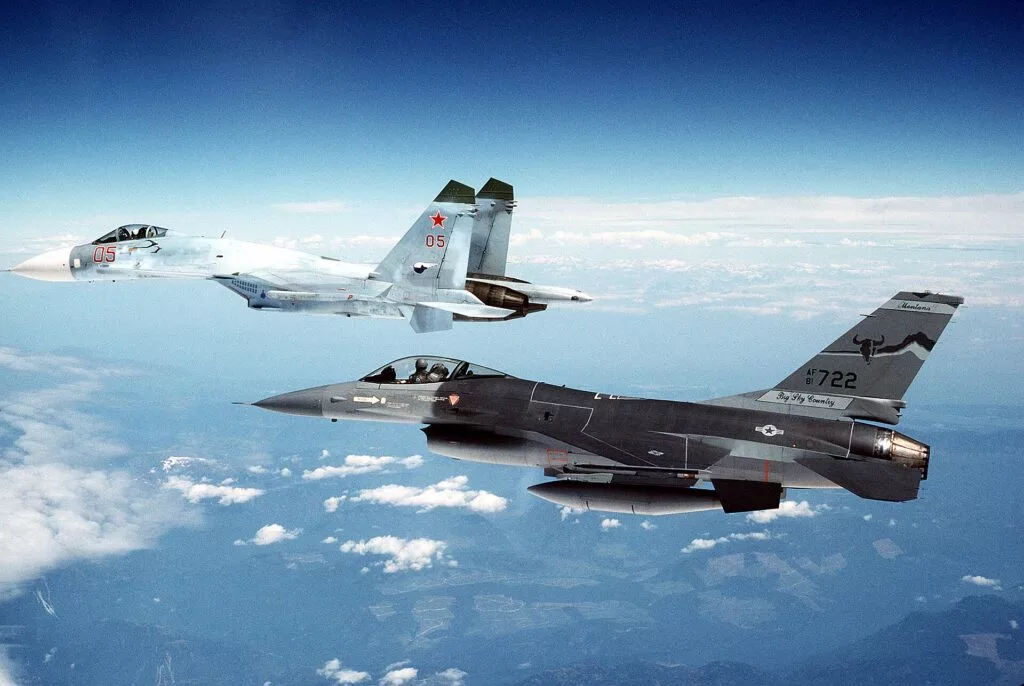
For a foreign reader, the short version is this. Peru chose Lockheed Martin’s F-16 Block 70 fighter to replace its aging fleet.
But a caretaker government made and part-paid the decision. That leaves the incoming president to own a deal she did not strike.
How the Peru F-16 deal reached this point
The purchase was first approved in 2024 under then-president Dina Boluarte, to be financed through domestic borrowing. Sweden’s Saab Gripen was widely seen as the frontrunner on cost and flexibility before the process swung, late and sharply, toward the American jet. Saab later filed a formal complaint, warning that any decision made without a new Gripen evaluation would be procedurally defective.
That swing happened amid extraordinary turbulence in Lima. Boluarte was impeached, her successor lasted four months, and a third caretaker, José María Balcázar, was left holding the file when the signing came due in April. Our reporting has shown that the air force accelerated the Lockheed deal in response to the electoral rise of leftist candidate Sánchez, adding a political dimension to the procurement timeline.
Balcázar tried to defer it. He canceled a signing ceremony hours before it was due, amid political concerns and later expressing hesitation because the deal should wait for the next elected government, and Washington reacted with unusual public force.
The cabinet went ahead anyway. Officials completed a technical signing, and the finance ministry transferred a first payment of four hundred and sixty-two million dollars.
After that, the defense and foreign ministers both resigned. Both cited the president’s handling of the affair.
That first payment, worth roughly $462m, represented about a seventh of the total program value. Once the money moved, the purchase had passed the point where a simple change of mind could unwind it cleanly.
What Fujimori inherits
Keiko Fujimori won the June seventh runoff by a razor-thin margin, certified at the end of the month. She is due to be sworn in on July twenty-eight, becoming the effective owner of a program that is already partly binding.
The first tranche of jets is locked in by contract and by an initial payment. What remains open is a second batch of a dozen aircraft, whose signing the new administration will be pressed to confirm or refuse.
For a president who inherits a deal made over a predecessor’s objection, that second signature is the real decision. It is where Fujimori can embrace the American alignment or quietly let the program shrink to its first phase.
Her campaign stayed pointedly quiet on the fighters during the race. That silence buys room to maneuver now, but the region’s capitals and the American embassy will read her first defense moves closely for a signal.
Why it matters beyond Peru
The stakes run wider than one air force. Washington designated Peru a Major Non-NATO Ally in January and backed a separate one and a half billion dollar contract to build a new Peruvian naval base, tying the fighter choice to a broader strategic package.
It also reshapes the regional map. Brazil and Colombia both chose the Gripen, so a firm Peruvian F-16 buy hands Lockheed a foothold on a continent where the Swedish jet had been gaining ground.
For investors, the read is about sovereign risk as much as hardware. The commitment is backed by Peruvian debt with repayment stretching two decades, and it tests whether a famously unstable presidency can still honor a long-dated foreign obligation.
There is a domestic dimension too. The jets are meant to restore an air force reduced, by some accounts, to only a handful of flyable aircraft.
So the debate is not whether Peru needs new fighters. It is who gets to be blamed or credited for buying them.
More: Latin America news in English, every day from The Rio Times.
Frequently Asked Questions
What is the Peru F-16 deal?
It is Peru’s selection of Lockheed Martin’s F-16 Block 70 fighter, a program valued at up to three and a half billion dollars for twenty-four aircraft. The jets are meant to replace Peru’s aging Mirage 2000 and MiG-29 fleets, with first deliveries expected toward the end of the decade.
Why is the deal controversial?
A caretaker government signed the first phase and made an initial payment, despite the interim president’s attempt to defer the decision to the next administration. Two ministers resigned over it, and the United States intervened publicly to press Lima to honor the commitment.
What happens now under Fujimori?
Keiko Fujimori takes office on July twenty-eight and inherits the contract. The first tranche of jets is already committed, while a second batch awaits a signature her government will be asked to provide or refuse.
Connected Coverage
Peru’s Cabinet Signs $3.5B Warplane Deal Over President’s Head
This article was produced by The Rio Times’ automated newsroom system. How we use AI · Report an error · Editorial responsibility: Matthias Camenzind, Editor-in-Chief