Peru Revives Its Amazon Waterway to Deepen Trade With Brazil
Trade
Key Facts
—The revival. Peru’s investment agency has relaunched its long-stalled Amazon waterway as a new public-private project.
—The cost. The rebuilt scheme carries a price tag of about $304 million and a 25-year concession.
—The jump. That is more than triple the roughly $95 million awarded for the original 2017 version.
—The goal. Officials aim to award the concession in the last quarter of 2027, targeting the Huallaga river first.
—The context. River transport carries more than nine in ten passengers and goods across the Peruvian Amazon.
Peru is dusting off one of its most troubled infrastructure projects. The revived Peru Amazon waterway is back on the table, and this time it is pitched as a trade artery to Brazil.
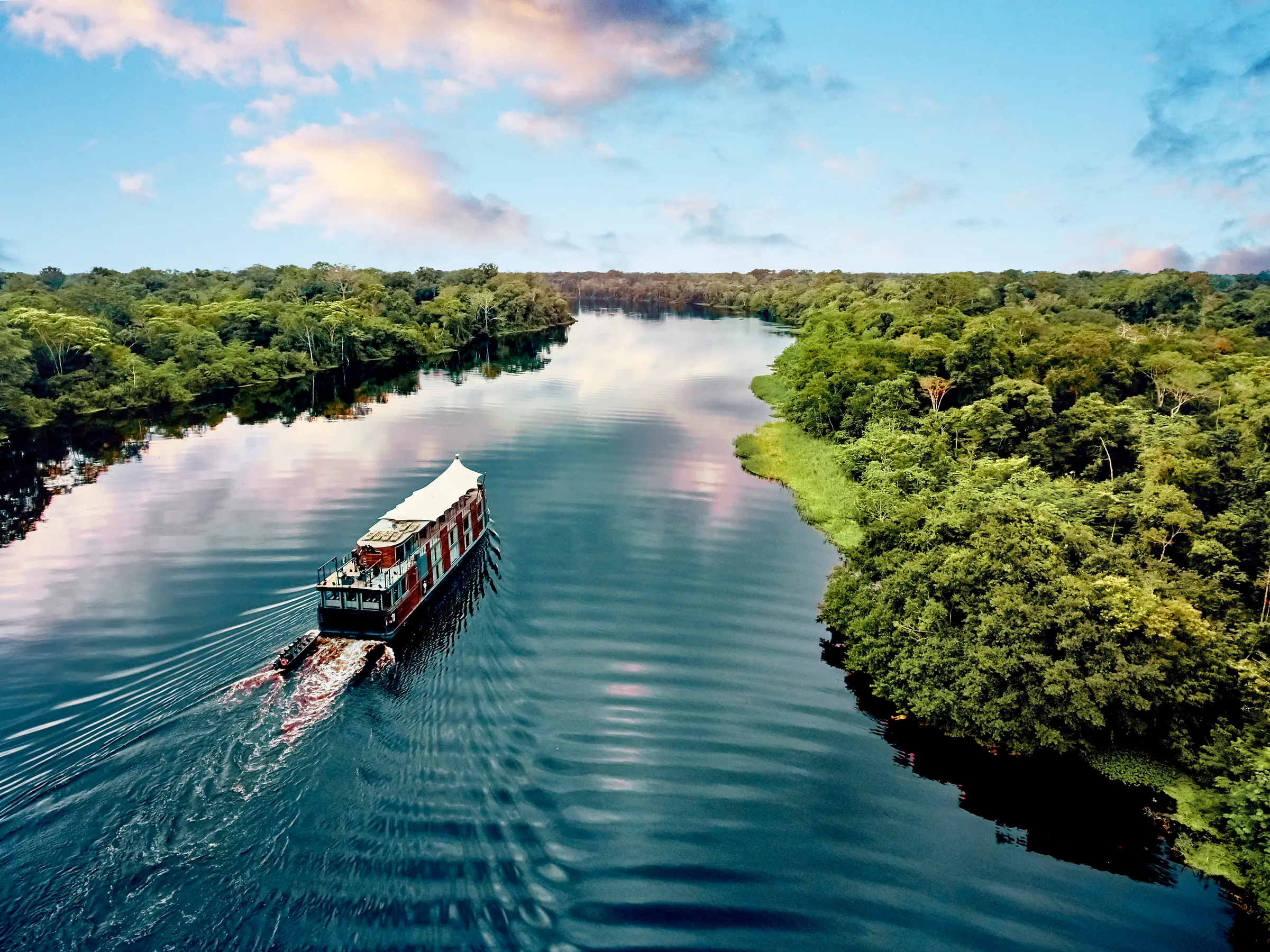
The plan is to make four big rivers navigable and safe all year round. Those rivers, the Marañón, Ucayali, Huallaga and Amazon, are the highways of a region where roads are scarce and boats do almost all the work.
In the Peruvian Amazon, more than nine of every ten movements of people and cargo happen on the water. Sandbars, fallen logs and a lack of data make that travel slow and often dangerous, and the project is meant to fix that.
Why the Peru Amazon waterway stalled before
This is not a new idea. The waterway was first awarded in 2017 to a consortium called Cohidro.
But the project was paralyzed in 2020, and the contract later lapsed. The operator walked away, citing failures by the transport ministry.
Community mistrust ran deep. Indigenous groups along the rivers worried about the dredging involved, the removal of rock and sediment from the riverbed, and its effect on fishing and water flow.
Now the investment-promotion agency, ProInversión, has relaunched it under a new name, the Amazon Navigation Canal, as a public-private partnership. The rebuilt scheme carries a price tag of about three hundred and four million dollars over a twenty-five-year concession.
That is a striking jump from the past. The original 2017 contract was valued at roughly ninety-five million dollars, so the relaunched project now costs more than three times as much.
The road, or river, to Brazil
The key change is the order of the work. Officials plan to tackle the Huallaga river first, because it holds close to eighty percent of the worst obstacles and is the link that matters most for Brazil.
Crucially, the most contested stretch is being pushed back. The Ucayali section, where riverside communities were most opposed, is now slated for a later phase, leaving the hardest social problems for after the easier wins.
The waterway is one piece of a bigger corridor. It sits inside a northern Amazon axis running from the Pacific port of Paita to the jungle towns of Yurimaguas and Santa Rosa, a bundle of thirty-five projects worth some eight point seven billion dollars.
There is already proof the route can work. Earlier this year the first multimodal shipment from Brazil, soybean meal from the state of Roraima, reached the Peruvian river port of Yurimaguas, validating the corridor in practice.
For foreign investors, the appeal is the bigger map. Combined with the new Chinese-built Chancay port near Lima, a working river link to Brazil would give South American exporters another path toward the Pacific and on to Asia.
The caution is history itself. This project has failed once over cost, environment and community consent.
Delivering it by the target of late 2027 will be a test. It will show whether the redesign has truly solved those problems or merely deferred them.
There is a wider strategic timing to it. Peru’s officials frame the country as a natural bioceanic gateway, and a war-torn, bloc-splitting global economy has sharpened the appeal of a reliable land-and-river bridge between the Atlantic and the Pacific.
The waterway is also the cheaper, faster cousin of grander schemes. Where a transcontinental railway would cost tens of billions and take years to agree, dredging existing rivers offers a near-term way to move Brazilian grain toward Asian markets.
Environmental scrutiny will not disappear, though. The dredging that makes the rivers navigable is the same work that alarmed communities before, and any new operator will have to manage sediment and habitat concerns under close watch.
For now the revival is a statement of intent rather than a finished deal. Whether the Amazon Navigation Canal becomes a working trade route or another stalled promise will depend on the next government, the concession terms and the rivers themselves.
What is the Peru Amazon waterway project?
It is a relaunched public-private plan, now called the Amazon Navigation Canal, to make four major rivers navigable year-round through dredging and monitoring. It carries a cost of about three hundred and four million dollars over twenty-five years and aims to boost trade between Peru and Brazil.
Background: Why Trump Has Become a Central Force in Brazil Election.
Background: Brazil’s Own VP Calls Its Tax System a ‘Madhouse’ That Repels Investors.
Background: Brazil Election Polls 2026: All Surveys, All Candidates.
Background: our doing business in brazil a complete guide for foreign entrepreneurs guide.
Why does the Peru Amazon waterway matter for trade?
River transport handles more than ninety percent of movement in the Peruvian Amazon, so a reliable waterway would open a year-round cargo route to Brazil. Paired with the Chancay port, it could form part of a corridor linking Brazilian exports to the Pacific and Asia.
Connected Coverage
China eyes a $100bn railway to bypass the Panama Canal through Brazil
Brazil builds a new road to Asia, pointing west toward the Pacific
A Peru court hands the state full oversight of China’s Chancay port
More: Latin America news in English, every day from The Rio Times.
Frequently Asked Questions
How much does the relaunched Amazon waterway project cost, and how does that compare to the original?
The new project costs about $304 million over a 25-year concession. That is more than triple the roughly $95 million awarded for the original 2017 contract.
Why did the first version of this project fail?
The original 2017 contract was paralyzed in 2020 and eventually lapsed after the operator walked away, blaming failures by the transport ministry. Indigenous communities along the rivers also strongly opposed the dredging work over fears about fishing and water flow.
When do officials plan to award the new concession, and which river gets worked on first?
Officials are targeting the last quarter of 2027 to award the concession. They plan to start with the Huallaga river, because it contains close to 80 percent of the worst navigation obstacles and is the most important link to Brazil.
This article was produced by The Rio Times’ automated newsroom system. How we use AI · Report an error · Editorial responsibility: Matthias Camenzind, Editor-in-Chief