Japanese Delegation Tours Paraguay Tannery Eyeing Leather Investment
Paraguay · BUSINESS
Key Facts
- —The visit a Japanese business delegation toured the Cencoprod Ltda. tannery, Última Hora reported on 26 August 2026
- —The goal explore investment in processing animal products and byproducts, including leather, collagen and gelatin
- —The host the Cencoprod Paraguay tannery in Villa Hayes, the leather plant of the three largest cooperatives of the Paraguayan Chaco
- —The guide Laura Coronel, director of Products and Byproducts at the animal health service Senacsa
- —The context Paraguay exported about US$40 million in hides, skins and leather in 2023, 96 percent of it tanned bovine hides
Japanese executives toured the Cencoprod plant in Villa Hayes to study leather processing and explore investment in animal products and byproducts, with Paraguay’s animal health service as host.
A delegation of Japanese business executives visited the Cencoprod Ltda. tannery in Paraguay to study the country’s leather processing and explore investment in animal products and byproducts, Última Hora reported on 26 August 2026. The visit, arranged with the animal health service Senacsa, signals fresh Japanese interest in the Paraguay tannery and byproduct value chain.
Inside the Delegation
The group was led by Yuko Itoh, identified as president, and included Akira Nomura; Yukihiro Fukasawa, director of the collagen division; Shuhei Sugio, manager of the division’s production section; and Satoshi Suzuki, plant manager of the gelatin division. Naoki Nagaoka, representative of the Japanese Chamber of Commerce and Industry in Paraguay, also took part, according to Última Hora.
Laura Coronel, Senacsa’s director of products and byproducts, accompanied the visitors. During the tour the executives reviewed the plant’s processes and the capacity of Paraguayan industry, and exchanged views on development and cooperation possibilities, the report said.
Cencoprod and the Chaco Cooperatives
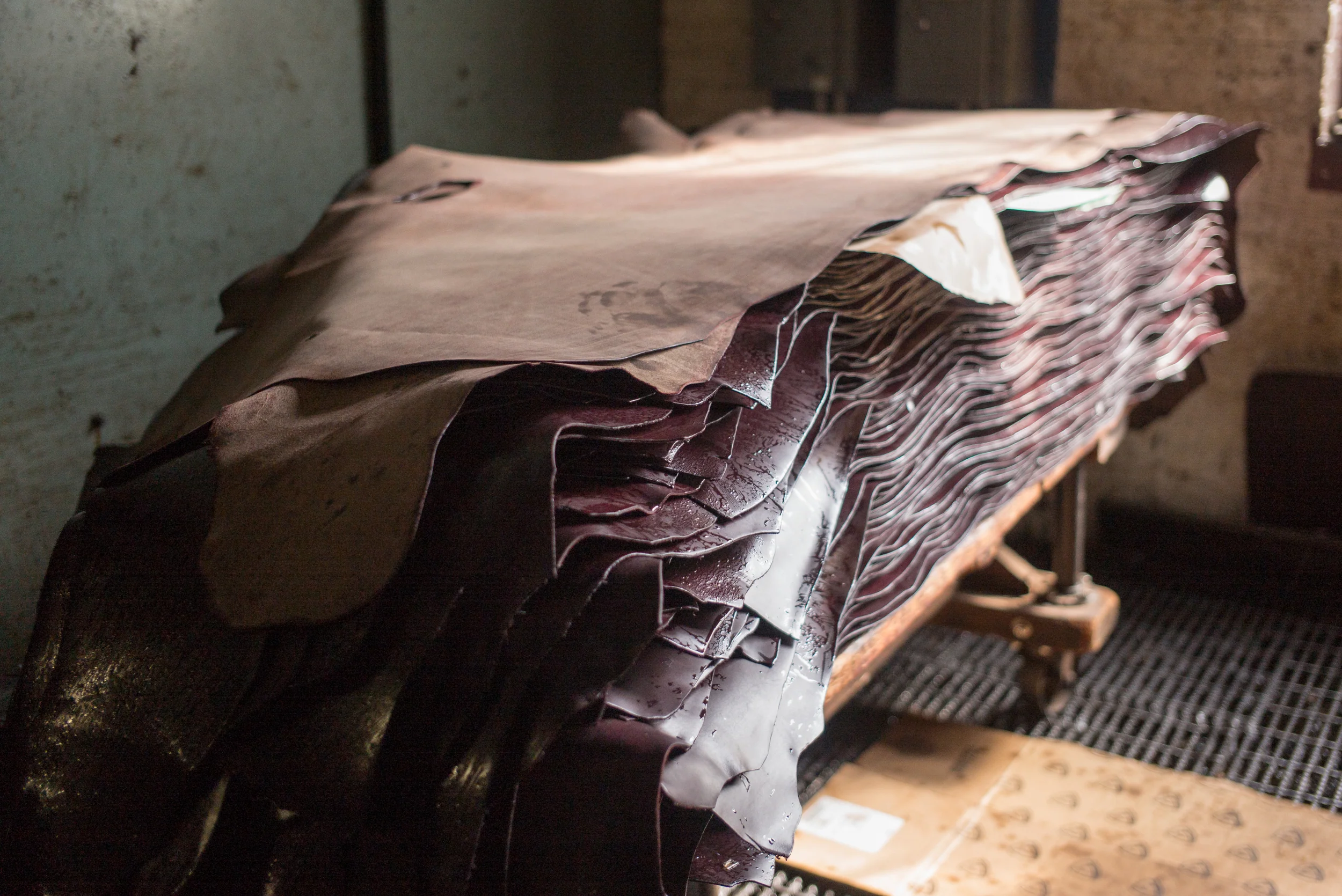
The Paraguay tannery the delegation chose to visit is no ordinary plant. Cencoprod Ltda. is the leather processing arm of the commercial alliance of the three largest cooperatives of the Paraguayan Chaco, the vast cattle-ranching region west of the Paraguay River.
The industrial complex sits in Villa Hayes, at kilometer 26.5 of the Transchaco highway, beside the Paraguay River, one of South America’s main fluvial arteries. The plant specializes in wet blue, the semi-processed, chrome-tanned leather that is the standard export format for hide-producing countries.
Cencoprod says it earned the highest rating in its first Leather Working Group environmental audit in August 2019, a certification that places Chaco leather in the top global category for responsible production, a key selling point for buyers with strict supply-chain standards.
A Small but Strategic Export Line
Leather is a modest line in Paraguay’s export basket, but one with room to grow. The country shipped about US$40 million worth of raw hides, skins and leather in 2023, down 38 percent from US$65 million in 2022, according to trade data. Tanned bovine hides accounted for 96 percent of that total.
Historically, most Paraguayan wet blue has sailed to Europe, with Italy the dominant buyer and the gateway to the wider European market. A Japanese entry into the Paraguay tannery business would diversify that customer base at a time when European demand faces regulatory pressure over deforestation-linked supply chains.
From Beef to Byproducts
Paraguay’s leather output rides on one of South America’s great beef industries. The country exports well over US$1 billion of beef a year, and every slaughtered animal yields a hide, roughly 10 percent of the animal’s value, plus bones, offal and other materials that feed rendering, collagen and gelatin production.
That is the logic behind the Japanese visit: the delegation’s collagen and gelatin executives were not only looking at leather but at the whole byproduct chain. Higher-value processing at home would let a Paraguay tannery or rendering plant capture margins that today accrue to foreign finishers.
Senacsa’s presence matters because animal health status is the gateway to premium markets. Paraguay’s traceability and sanitary controls underpin its beef access to demanding destinations, and the same certification regime would apply to byproduct exports to Japan.
Japan’s Widening Interest in Paraguay
The tannery tour is the second Japanese business mission to Paraguay this year. In March 2026, a delegation evaluated forestry investment opportunities in the country, according to Rediex, Paraguay’s investment and export promotion agency, La Nación reported.
The pattern reflects Paraguay’s pitch to Asian investors: abundant raw materials, low energy costs from its hydroelectric surplus, and a government eager to move exports up the value chain. The Japanese Chamber of Commerce and Industry in Paraguay, represented on the tannery visit by Naoki Nagaoka, serves as the main bridge for that courtship.
For the leather sector specifically, Japanese interest in collagen and gelatin suggests the Paraguay tannery industry could anchor a broader byproducts cluster rather than remaining a wet blue exporter alone.
What Comes Next
Última Hora described the visit as strengthening ties with Japan’s business sector and showcasing Paraguay’s offer for investment linked to the animal-products value chain. No investment figure or timeline was announced.
Concrete next steps would include feasibility studies, sanitary protocol discussions and possible joint ventures with Chaco cooperatives or meatpackers. Rediex, the investment and export agency, would typically coordinate any follow-up mission.
For now, the visit adds to a run of trade diversification news from Asunción, where exporters opened 43 new markets in the first seven months of 2026, and where officials are keen to show that the country sells more than soybeans and beef.
More: Paraguay news in English, every day from The Rio Times.
Frequently Asked Questions
Why did a Japanese delegation visit a Paraguay tannery?
The delegation toured the Cencoprod Ltda. plant in Villa Hayes to learn about leather processing and explore investment in the Paraguay tannery and byproduct chain, including collagen and gelatin, Última Hora reported on 26 August 2026.
What is Cencoprod?
Cencoprod Ltda. is the Paraguay tannery of the three largest cooperatives of the Paraguayan Chaco. Based in Villa Hayes beside the Paraguay River, it produces wet blue leather and earned the top Leather Working Group environmental rating in 2019.
How big are Paraguay’s leather exports?
Paraguay exported about US$40 million in raw hides, skins and leather in 2023, down 38 percent from US$65 million in 2022, with tanned bovine hides making up 96 percent of the total, trade data show.
Connected Coverage
Paraguay Exports Reach 43 New Destinations in Seven Months
Petropar Enters Paraguay’s Aviation Fuel Market With Five Plants
Sources
This article was produced by The Rio Times’ automated newsroom system. How we use AI · Report an error · Editorial responsibility: Matthias Camenzind, Editor-in-Chief