Panama and Japan’s Shipowners Agree to Deepen Maritime Cooperation
Logistics
Key Facts
—The meeting. Panama’s president hosted Japan’s shipowners’ association to strengthen maritime cooperation.
—The stakes. A total of 1,072 Japanese ships crossed the Panama Canal in 2025, many carrying gas.
—The flag. Seven in ten Japanese shipowners already register vessels under Panama’s flag.
—The ask. Panama wants more of its seafarers hired onto Japan’s fleet through joint training.
—The projects. Mulino pitched Canal megaprojects, including new ports, a gas pipeline and a water reservoir.
—The backdrop. Panama is courting stable partners while under Chinese pressure on its flagged ships.
The Panama Japan maritime cooperation talks may sound technical. For global trade, they touch one of the busiest arteries on the planet.
President José Raúl Mulino hosted a delegation of Japan’s shipowners’ association at the presidential palace on Monday. The group said it wanted to reinforce cooperation with Panama across the maritime sector.
The delegation was led by the association’s president, Hitoshi Nagasawa. The visit came a week after Mulino met leaders of Keidanren, Japan’s main business federation.
It was their second such meeting. The two sides first discussed modernising Panama’s ship registry during Mulino’s official visit to Tokyo in September 2025.
Why Panama Japan maritime cooperation matters
The link between the two countries runs deep. Panama operates the world’s largest ship registry, and Japan is one of its most important customers.
The numbers show why. Seven in ten Japanese shipowners already fly Panama’s flag, and a large share of Japan’s total tonnage is registered there.
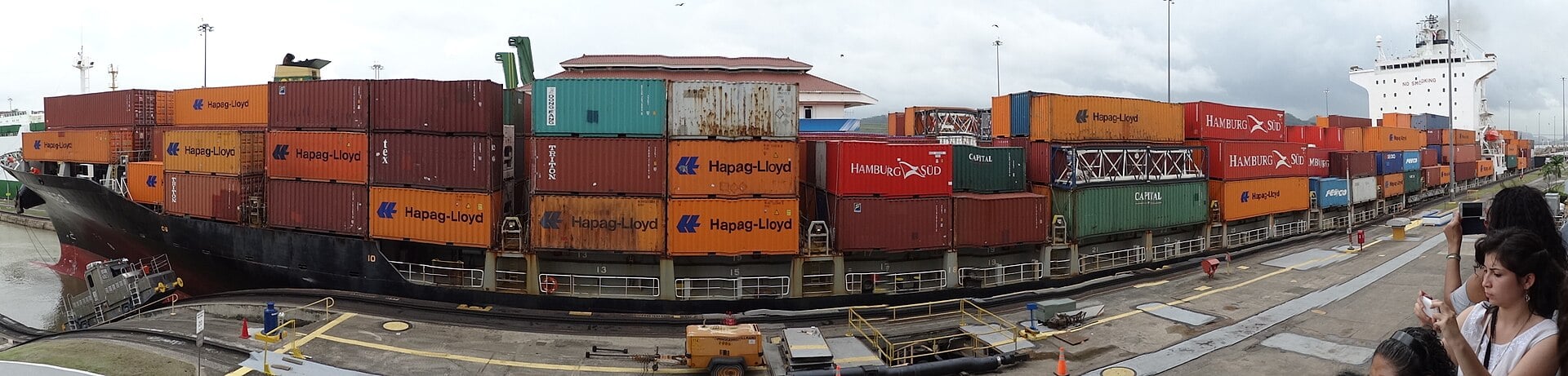
The Canal deepens the bond. Nagasawa said Panama matters to Japan’s economic security, noting that 1,072 Japanese ships transited the waterway in 2025, many of them carrying gas.
Mulino used the visit to make an ask. He wants closer technical cooperation and a tie-up with Panama’s maritime university so more Panamanian sailors land jobs on Japan’s fleet.
Senior officials joined the talks. Panama’s foreign and canal-affairs ministers, its ambassador to Japan and its maritime-authority chief all sat in, a measure of the meeting’s weight.
The setting is broader than one visit. Japan builds a large share of the world’s new ships, so keeping its owners loyal to Panama’s flag is a lasting commercial priority.
The Canal projects Japan is watching
Mulino also walked the delegation through a pipeline of megaprojects. The Canal plans to begin tendering them from next year, opening the door to foreign partners.
Three stand out. They are the construction of new ports, a gas pipeline across the isthmus, and a multipurpose reservoir at Río Indio to secure water.
Water is the quiet priority. A recent drought forced the Canal to ration crossings, so the reservoir is meant to guard transits against the next dry spell.
Nagasawa singled out those two projects. He called the gas pipeline and the reservoir important for keeping the Canal running efficiently for Japanese cargo.
The timing is telling. Panama is courting reliable partners just as China detains Panama-flagged ships at record rates in a dispute over canal-side ports.
For a foreign reader, the signal is strategic. By deepening ties with Japan, Panama is diversifying its friendships and defending the registry business that anchors its economy.
The scale of that business is easy to miss. Panama’s flag flies over thousands of ships worldwide, a service it sells that quietly underpins a meaningful slice of global trade.
Rival registries are circling. Flags in other countries compete for the same owners, so Panama has leaned on modernised, digital services to keep its edge with clients like Japan.
The jobs angle also lands at home. Placing more Panamanian officers and cadets on foreign fleets turns the registry’s global reach into direct employment for its own people.
What does the Panama Japan maritime cooperation cover?
They agreed to strengthen maritime cooperation, covering technical collaboration, training and the hiring of Panamanian seafarers on Japanese vessels. It was the second meeting between President Mulino and the association since September 2025.
Why is Japan important to Panama’s maritime economy?
Japan is a major client of Panama’s ship registry, with seven in ten Japanese owners flying its flag. Japanese ships are also heavy users of the Panama Canal, with 1,072 transits in 2025, many carrying gas.
What Canal projects were discussed?
Mulino presented megaprojects due for tender from next year, including new ports, a gas pipeline and the Río Indio reservoir. The reservoir is designed to secure water for the Canal and for human consumption after recent droughts.
More: Panama news in English, every day from The Rio Times.
Frequently Asked Questions
How many Japanese ships used the Panama Canal in 2025, and what were they often carrying?
A total of 1,072 Japanese ships crossed the Panama Canal in 2025. Many of these vessels were carrying gas.
What proportion of Japanese shipowners register their vessels under the Panamanian flag?
Seven in ten Japanese shipowners already register their vessels under Panama's flag.
What specific infrastructure projects did Panama's president pitch during the meeting?
President Mulino pitched Canal megaprojects, which included new ports, a gas pipeline, and a water reservoir.
Connected Coverage
Panama Canal 2026: $5.7B Revenue, Drought Over, El Niño Risk
Panama Reinvents Its Canal Game, Placing Logistics in Its Own Hands
This article was produced by The Rio Times’ automated newsroom system. How we use AI · Report an error · Editorial responsibility: Matthias Camenzind, Editor-in-Chief
LatAm Markets: Live Signals → — real-time movers, turnover leaders and FX across Latin America.