Panama Reinvents Its Canal Game, Placing Logistics in Its Own Hands
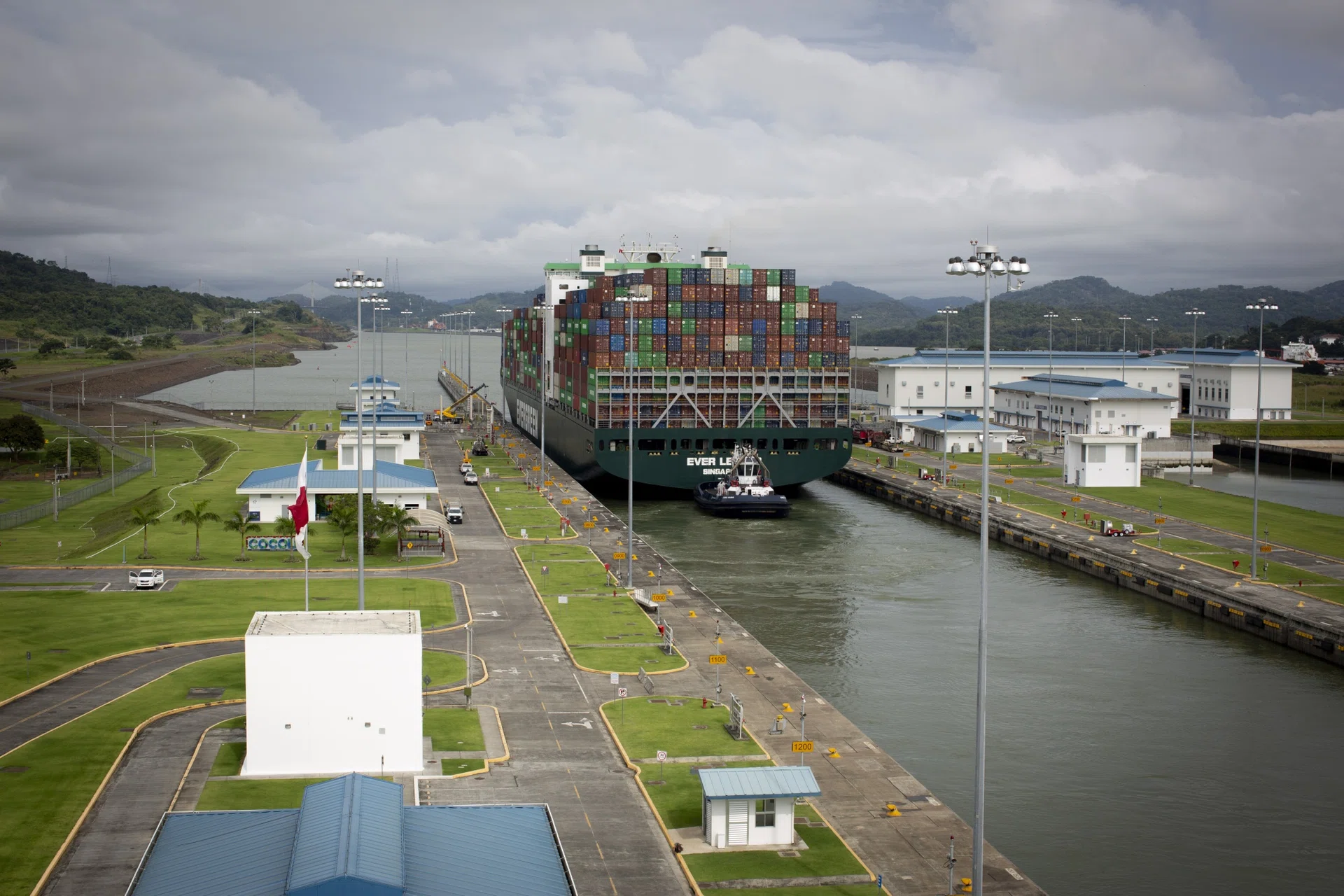
The Panama Canal Authority has decided to build and own two new port terminals—one on the Atlantic and one on the Pacific—linked by a new liquefied petroleum gas (LPG) pipeline across the isthmus.
This marks one of Panama’s most important infrastructure moves since it took full control of the canal from the United States in 1999. The plan, confirmed by the Authority’s leadership, is part of an $8.5 billion, seven‑year investment program.
The new terminals will be owned by Panama itself but run by private operators under contract. The LPG pipeline will allow fuel shipments to cross Panama by land instead of passing through the locks, freeing canal capacity for other cargo and cutting transit costs for shippers.
The timing is not accidental. For years, Panama’s largest ports—located at each end of the canal—have been controlled by CK Hutchison, a Hong Kong‑based operator granted concessions in 1997.
This arrangement became a point of friction between Washington and Beijing, as the United States raised concerns about Chinese‑linked control over strategic trade infrastructure.
In 2025, CK Hutchison agreed to sell its port assets to a consortium including U.S. firm BlackRock, a transaction shaped by political and commercial pressure.
Panama Bolsters Canal Control Amid Global Rivalry
Panama’s president, José Raúl Mulino, insists that the canal and its connected assets remain under full Panamanian sovereignty. Official data confirm China does not operate the canal, though it is the second‑largest user after the United States.
Both superpowers, however, see the waterway as strategically vital, and both watch closely as Panama changes the balance of control over its logistics chain. Beyond politics, the move is grounded in practical needs.
The country’s existing port equipment is aging, while nearby competitors, such as Colombia’s modern port of Cartagena, have moved ahead in efficiency.
Climate pressures, including severe droughts in recent years, have disrupted canal traffic and highlighted the importance of diversifying Panama’s logistics capacity. A new reservoir is also planned to secure water supply for canal operations.
This project has two clear aims: make Panama more competitive in global shipping and ensure the country earns more from its location at the center of world trade.
For carriers moving energy, consumer goods, or raw materials, faster and more reliable transit through Panama can mean millions saved each year. For Panama, it is about ensuring that operational decisions and profits stay under national authority.
The story here is straightforward: a small country controls a critical artery of world commerce and is now taking bigger steps to control the ports feeding it.
The story behind it is that, in the shadow of U.S.‑China rivalry, Panama is quietly positioning itself to secure its independence and profit from its geography without being pulled off course by the agendas of larger powers.
More: Latin America news in English, every day from The Rio Times.
This article was produced by The Rio Times’ automated newsroom system. How we use AI · Report an error · Editorial responsibility: Matthias Camenzind, Editor-in-Chief