Panama Just Tightened the Rules on Its Famous Tax Haven Status
Economy
Key Facts
—The law. Panama enacted Law 526 on May 28, adding economic-substance rules to its tax code for multinational groups.
—The test. Entities earning foreign passive income must now prove real local activity, or lose their tax exemption.
—The penalty. Those that cannot show substance face a 15 percent tax on that foreign passive income.
—The goal. The aim is to get Panama off the European Union’s list of non-cooperative tax jurisdictions.
—The clock. The rules take effect in the 2027 fiscal year, with the next EU review due in October.
Panama has quietly rewritten one of the oldest rules of its status as a tax haven, demanding real economic substance from the shell companies that use it. It is a bid to shed a reputation that has cost the country dearly.
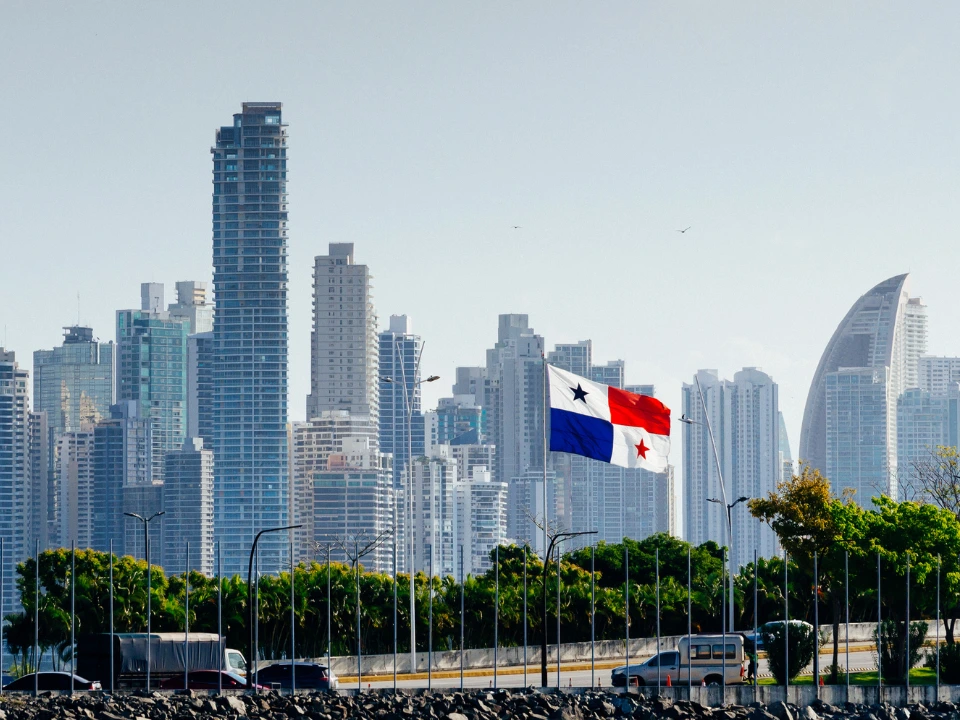
The change came through Law 526, enacted on May 28 and added to Panama’s tax code. It targets entities that belong to multinational groups and earn passive income from abroad, such as dividends, interest and royalties.
The core idea is simple. To keep their income untaxed, these companies must now prove they do something real in Panama, with genuine staff, offices and decisions made locally.
Fail that test and the bill arrives. A company that cannot show enough substance faces a fifteen percent tax on the foreign passive income in question.
What the economic substance rules change
Panama has long run a territorial tax system, meaning income earned abroad was simply not taxed, no questions asked. Law 526 keeps that principle but adds a condition for one specific group.
Local tax lawyers have nicknamed it territoriality two point zero. The territorial rule survives for ordinary domestic and active income, but the exemption on foreign passive income now depends on proving substance.
The reach is deliberately narrow. It applies only to members of multinational groups receiving passive income from abroad, and several regulated sectors such as banking, insurance and shipping are carved out.
The message from the government is blunt. Officials have said Panama cannot keep being a refuge for paper companies, framing the reform as a clean break with the past.
Why economic substance matters for Panama
The real prize is reputational. Panama has spent years on the European Union’s list of non-cooperative tax jurisdictions, a label that makes banks and investors wary of dealing with the country.
The timing is built around that list. The government hopes the reform will satisfy Brussels at the next review, due in October, and finally get Panama removed.
Others have shown it can work. Costa Rica, Uruguay, Hong Kong and Singapore all made similar changes and were later taken off the list, a path Panama is now trying to follow.
Not everyone is comfortable. Some local lawyers have warned that if the rules bite too widely, capital could leave for jurisdictions with lighter demands.
What a foreign reader should watch
For anyone with a Panamanian structure, the practical point is the clock. The rules apply from the 2027 fiscal year, and the government must publish detailed regulations within ninety days of the law.
The bigger signal is strategic. Panama is betting that trading some of its old secrecy appeal for international respectability will draw more serious, long-term investment than it loses.
The reform also fits a global direction of travel. One jurisdiction after another has been pushed to end no-questions-asked exemptions, and Panama joining that shift makes it harder for the country to be singled out.
The honest read is a calculated trade. Panama is accepting tighter rules and some risk of outflows now in exchange for the cleaner reputation it needs to compete for mainstream capital.
What is Panama’s economic substance law?
Law 526, enacted on May 28, 2026, adds economic-substance rules to Panama’s tax code for entities in multinational groups that earn foreign passive income. Such companies must prove real local activity, or pay a fifteen percent tax on that income, with the rules taking effect in the 2027 fiscal year.
Why did Panama pass the law?
The main goal is to get Panama removed from the European Union’s list of non-cooperative tax jurisdictions, whose next review is due in October 2026. Being on the list harms Panama’s reputation with banks and investors, so the reform aims to align its rules with international standards.
Who does the law affect?
It applies only to entities that are part of multinational groups and receive foreign passive income such as dividends, interest and royalties. Purely domestic companies and Panama-source income are unaffected, and sectors like banking, insurance and shipping are excluded.
More: Panama news in English, every day from The Rio Times.
Frequently Asked Questions
What happens to a company that cannot prove real local activity under Panama's new law?
It gets hit with a 15 percent tax on its foreign passive income. The exemption that previously let those earnings go untaxed simply disappears if the company cannot show genuine staff, offices, and decisions made locally in Panama.
When do these new rules actually kick in?
The rules take effect in the 2027 fiscal year, so companies have some time to prepare. The government must also publish detailed regulations within 90 days of the law being enacted on May 28.
Why did Panama decide to make this change now?
Panama wants to be removed from the European Union's list of non-cooperative tax jurisdictions, with the next EU review due in October. Being on that list makes banks and investors wary of the country, and Panama is hoping this reform satisfies Brussels the way similar changes did for Costa Rica, Uruguay, Hong Kong, and Singapore.
This article was produced by The Rio Times’ automated newsroom system. How we use AI · Report an error
Read More from The Rio Times