Panama’s Copper Mine Passes Its Audit, but the Decision Keeps Slipping

Trade
Key Facts
—The audit. An external audit delivered on June 19 found the Cobre Panamá mine roughly 88% compliant across legal, fiscal and environmental duties.
—The delay. President Mulino let his own mid-year deadline pass, telling the nation on July 1 the matter was still under study.
—The route. He again ruled out sending a concession contract to congress, signaling any restart would come another way.
—The weight. The mine once supplied close to 2% of global copper and about 5% of Panama’s economy.
—The cost. Its 2023 closure helped strip Panama of its investment-grade credit rating.
Panama has the technical verdict it asked for on the shuttered Cobre Panama mine, yet the political decision that matters keeps sliding past every deadline the president sets himself.
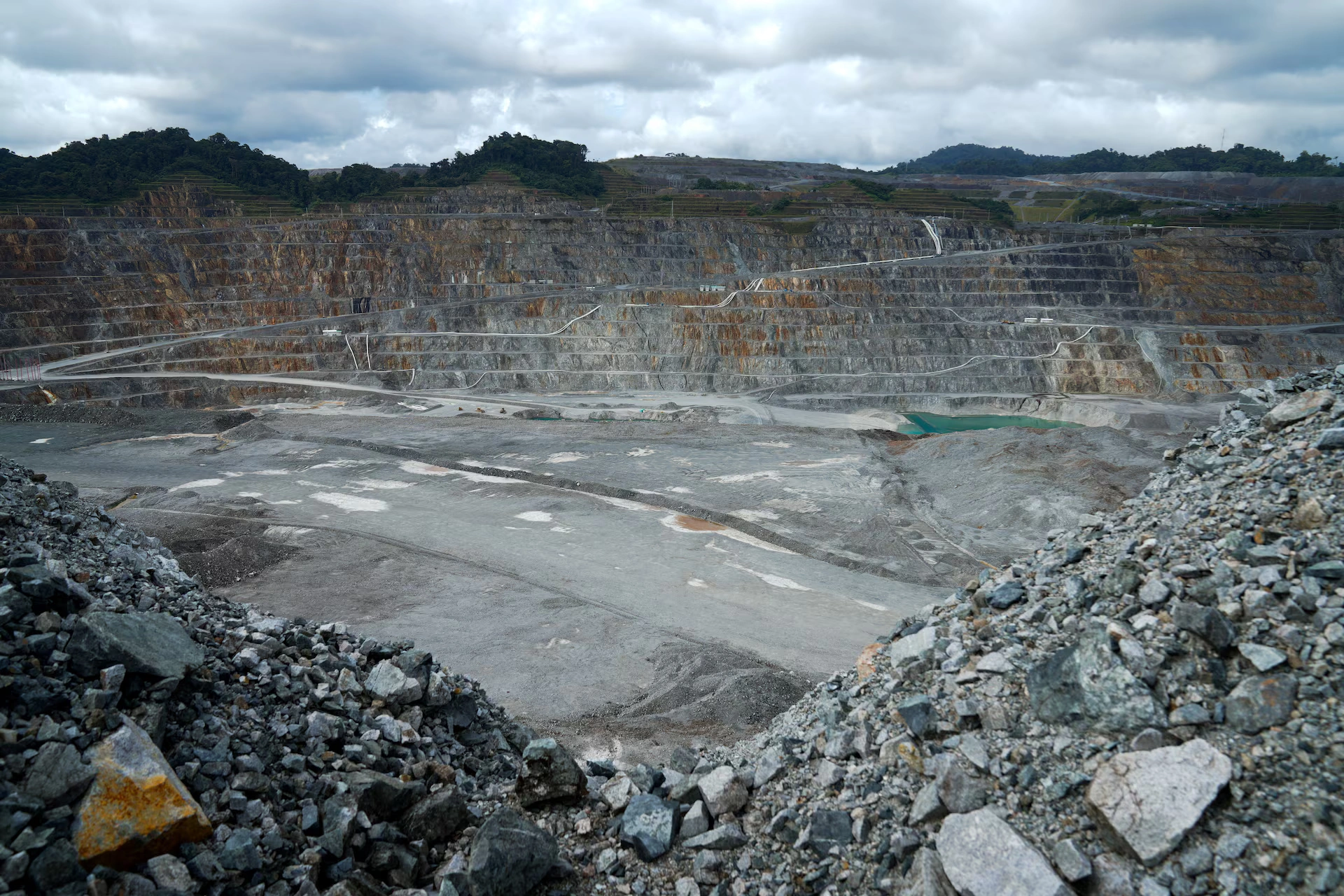
The mine, run by Canada’s First Quantum Minerals, has sat idle since late twenty twenty-three, when Panama’s Supreme Court struck down its contract after the largest street protests in a generation. Reviving it has become President José Raúl Mulino’s thorniest economic call.
An independent audit handed to the government on the nineteenth of June was meant to clear the way. Instead, two weeks on, the country is still waiting to learn what its leader will do with it.
What the Cobre Panama mine audit found
The review, carried out by the inspection firm SGS, covered the years twenty nineteen to twenty twenty-three and put overall compliance at about eighty-eight per cent across legal, fiscal, environmental and operational obligations.
On the environmental side it examined three hundred and seventy commitments and found nine wanting, in areas such as reforestation, soil disturbance and long-term monitoring. Officials framed these as matters for corrective action rather than fundamental failures.
The trade minister, Julio Moltó, was careful to stress that the report orders nothing. It is one technical input, he said, not a decision, and he urged Panamanians to read the findings before forming a view.
A deadline that keeps moving
Back in January, Mulino said he expected to announce the mine’s future by June. When the audit arrived, he handed it to an inter-institutional commission for further analysis, pushing any verdict further out.
In his address to the nation on the first of July, he kept his distance from the subject, saying only that it remained under study. The one thing he repeated is what he will not do: put a contract before congress.
That stance matters. By ruling out a contract law, the kind that was declared unconstitutional in twenty twenty-three, Mulino signals that any restart would likely come by decree or a new state-led structure rather than a fresh legislative vote.
The groundwork has been laid in careful steps. First Quantum withdrew one international arbitration claim and suspended others, dropping cases once valued in the tens of billions of dollars, and accepted that the state owns the minerals as the starting point for any talks.
The government, for its part, has already let the company begin processing ore mined before the shutdown, a limited move that stops short of a full restart. Analysts reckon a reopening deal, if it comes, would arrive by decree rather than a public vote.
Why the delay carries a price
For a country this size the stakes are large. The mine once accounted for close to two per cent of the world’s copper and about five per cent of Panama’s economy, and its closure helped cost the country its investment-grade credit rating.
Public opinion has shifted his way, with an April poll finding most Panamanians now favour a reopening, yet the movement that shut the mine still mobilises quickly. The forward signal for a foreign reader is simple: each month of indecision is lost revenue for Panama and prolonged limbo for a globally significant copper supply.
What did the Cobre Panama mine audit conclude?
The SGS audit, covering twenty nineteen to twenty twenty-three, put overall compliance at roughly eighty-eight per cent and flagged nine of three hundred and seventy environmental commitments for corrective action, but it did not recommend or authorise a reopening.
Why has Panama not decided yet?
President Mulino let his own mid-year deadline pass, referring the audit to a commission for further analysis and telling the nation on July 1 that the matter was still under study, while ruling out sending a concession contract to congress.
Why does it matter to investors?
The mine supplied close to two per cent of global copper and about five per cent of Panama’s economy, and its closure cost the country its investment-grade rating, so the timing and terms of any restart carry weight for both copper markets and Panama’s finances.
Connected Coverage
Panama Sets Up a Task Force to Decide the Cobre Panamá Mine’s Future
Panama Set to Authorize Ore Removal From the Shuttered Mine
The IMF Hands Honduras $242 Million, With Strings on Its Power Company
More: Latin America news in English, every day from The Rio Times.
Frequently Asked Questions
What did the audit of the Cobre Panamá mine actually find?
The mine passed with roughly 88% compliance across legal, fiscal, environmental, and operational duties, though nine of 370 environmental commitments — covering things like reforestation and soil monitoring — were flagged for corrective action. Officials described those gaps as fixable issues, not fundamental failures, and the audit did not order or authorize a reopening.
Why hasn't Panama made a decision about reopening the mine yet?
President Mulino let his own mid-year deadline pass, handing the audit to a commission for further review and telling the country on July 1 that the matter was still under study. He has also ruled out sending a concession contract to congress, meaning any restart would likely come through a decree or a new state-led arrangement instead.
Why does this mine matter so much to Panama's economy?
The Cobre Panamá mine once supplied close to 2% of the world's copper and contributed about 5% of Panama's entire economy. Its closure in 2023 was damaging enough to help strip Panama of its investment-grade credit rating.
This article was produced by The Rio Times’ automated newsroom system. How we use AI · Report an error · Editorial responsibility: Matthias Camenzind, Editor-in-Chief