US Eases and Tightens Venezuela Sanctions in One Move
VENEZUELA · SANCTIONS
Key Facts
- —What is OFAC The US Treasury office that runs American sanctions. A general licence is a standing permission to do something sanctions would otherwise forbid.
- —What changed OFAC issued General Licence 52C on 14 September. It replaces 52B.
- —The easing Sanctioned individuals may now sign and execute contracts, but only when acting in their official capacity for PDVSA, Venezuela’s state oil company.
- —The tightening A new clause bars transactions that affect the governance of PDV Holding, Citgo Holding or CITGO.
- —What it is not General permission to trade with Venezuela. The licence authorises specific transactions and nothing beyond them.
- —Why now Washington has been signalling a shift of oil supply toward the western hemisphere.
Washington loosened one Venezuela sanction on Monday and tightened another, in the same document.
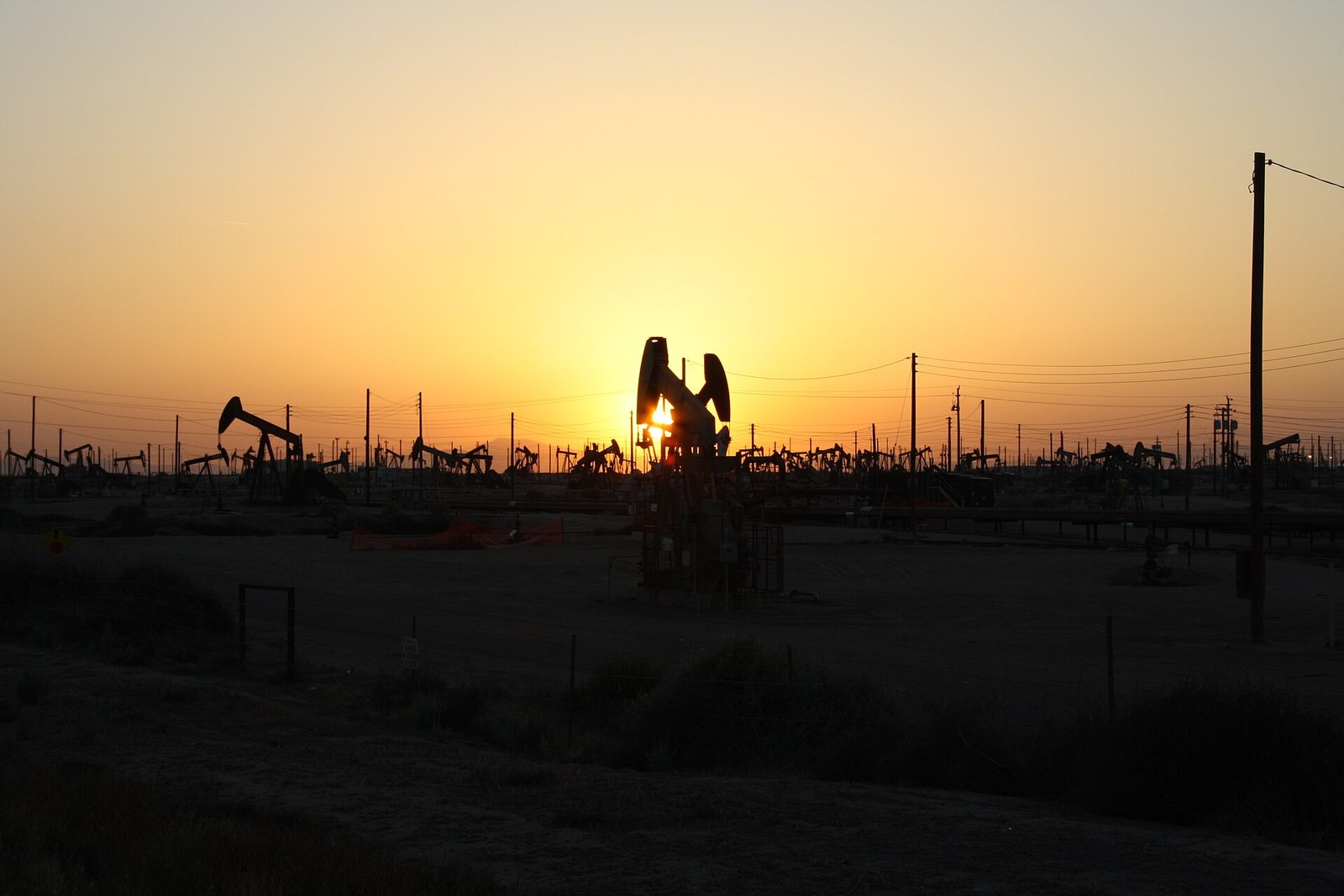
The US Treasury issued General Licence 52C on 14 September, superseding 52B. It lets blocked individuals sign contracts in their official PDVSA capacity. It also bars transactions affecting the governance of Citgo and its holding companies.
What a General Licence Does
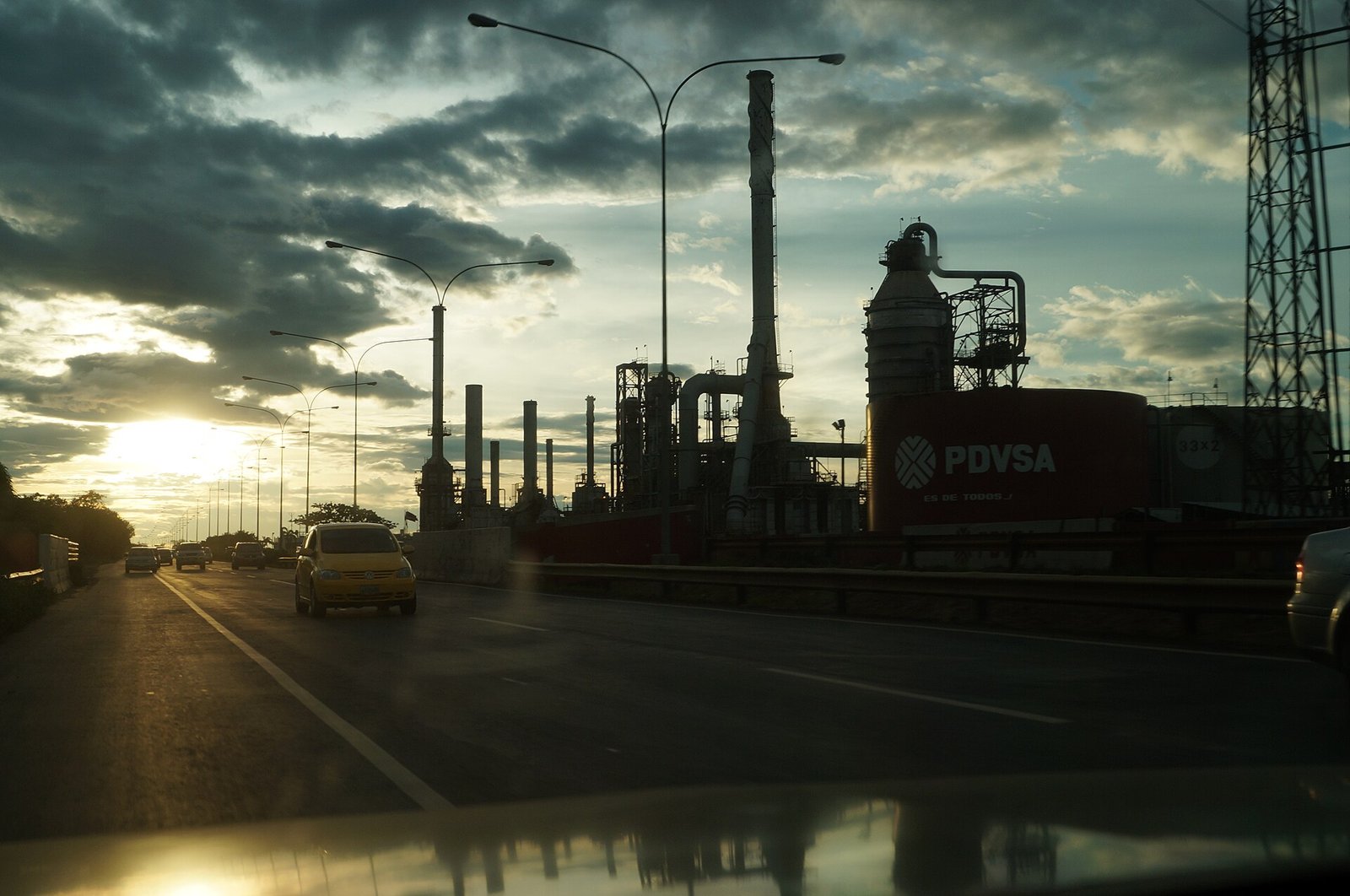
American sanctions on Venezuela prohibit most dealings with the government and with PDVSA, the state oil company.
A general licence carves out an exception. It is a standing authorisation that anyone meeting its terms can rely on, without applying for a specific permit.
General Licence 52 has been reissued several times as policy shifted. Each version replaces the last entirely.
52C took effect on 14 September and supersedes 52B.
The New Paragraph (c)
The change that has drawn most attention is a new paragraph (c).
It lets individuals who are themselves blocked under US sanctions sign and execute contracts. They must act solely in their official capacity for PDVSA.
The purpose is practical. Transactions already authorised under paragraph (a) were difficult to complete, because the Venezuelan officials empowered to sign were themselves sanctioned.
The authorisation is not limited to individuals designated for corruption, and it does not permit any activity beyond effectuating paragraph (a) transactions.
The New Paragraph (d)(9)
The same document adds a restriction that the easing has largely obscured.
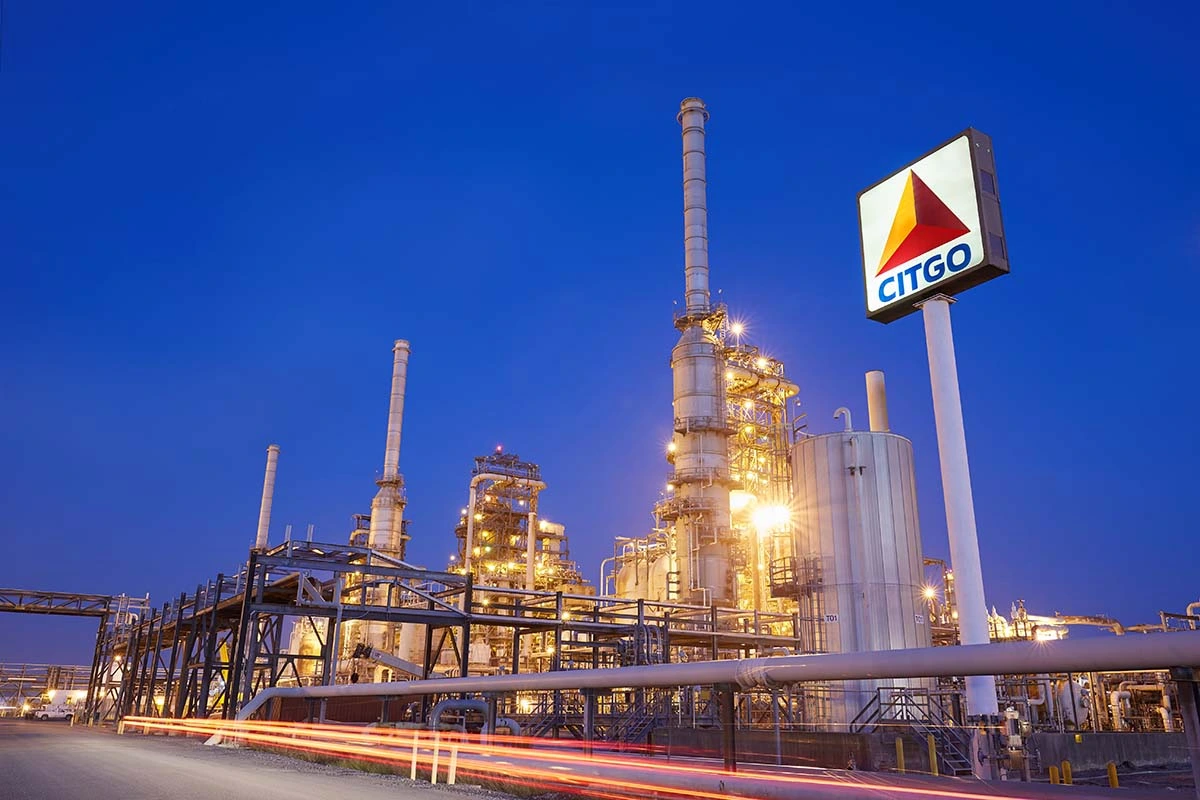
Paragraph (d)(9) excludes any transaction that would affect the governance of PDV Holding, Citgo Holding or CITGO Petroleum.
Citgo is the American refining business ultimately owned by PDVSA, and the most valuable Venezuelan asset outside Venezuela.
It has been the subject of years of litigation by creditors seeking to seize it. Washington has consistently protected its corporate structure from being altered.
Why Both at Once
The two changes point in opposite directions, and both are deliberate.
Easing the signature rules lets authorised oil transactions actually complete, which is what American refiners and their Venezuelan counterparties need.
Ring-fencing Citgo keeps the most contested asset out of reach of any arrangement made under the new flexibility.
It is a licence designed to let oil move without letting ownership move.
The Policy Behind It
US Energy Secretary Doug Burgum spoke to Fox Business at the G20 energy ministerial in Houston. AFP reported the remarks on 14 September.
He described the geopolitical center of oil moving out of the Middle East, and moving that to the western hemisphere.
He did not call Venezuela a global energy hub. He did not say it would rival the Middle East. Those phrases appear in coverage, not in his words.
The remarks landed the same week a Saudi pipeline suspension pushed Brent to US$109.44.
What It Means in Practice
For oil traders, the licence removes a procedural obstacle to transactions that were already permitted.
For Citgo creditors, the new restriction is a fresh confirmation that Washington will not allow the corporate structure to be rearranged.
For Venezuelan production, the effect is marginal in the short term. The constraint is field condition and investment, not paperwork.
For anyone doing business in Venezuela outside the oil sector, nothing has changed.
What to Watch
Whether specific licences follow for named companies, which is the usual next step when a general licence is broadened.
Citgo litigation in the Delaware courts, where the sale process has run for years.
Venezuelan production figures, which OPEC publishes monthly.
And whether 52C is superseded again. The pattern of this licence has been frequent revision.
More: Venezuela news, every day from The Rio Times.
Frequently Asked Questions
What is OFAC General Licence 52C?
A US Treasury authorisation issued on 14 September 2026, replacing 52B, covering certain Venezuela-related transactions.
What does the new paragraph (c) allow?
Blocked individuals may sign and execute contracts, but solely in their official PDVSA capacity, and only to effectuate paragraph (a) transactions.
What does paragraph (d)(9) prohibit?
Any transaction affecting the governance of PDV Holding, Citgo Holding or CITGO Petroleum.
Is this a general easing of Venezuela sanctions?
No. It authorises specific transactions and adds a new restriction at the same time.
What did Energy Secretary Burgum say?
That the geopolitical centre of oil is moving out of the Middle East to the western hemisphere. He did not call Venezuela a global energy hub.
Does this change anything outside oil?
No. Business in Venezuela outside the authorised transactions remains subject to existing sanctions.
Sources: US Department of the Treasury (OFAC), AFP, Fox Business, Reuters, Argus Media.
This article was produced by The Rio Times’ automated newsroom system. How we use AI · Report an error
In depth
Read More from The Rio Times