No Brazilian Judge Can Override U.S. Free Speech, Says Trump Official
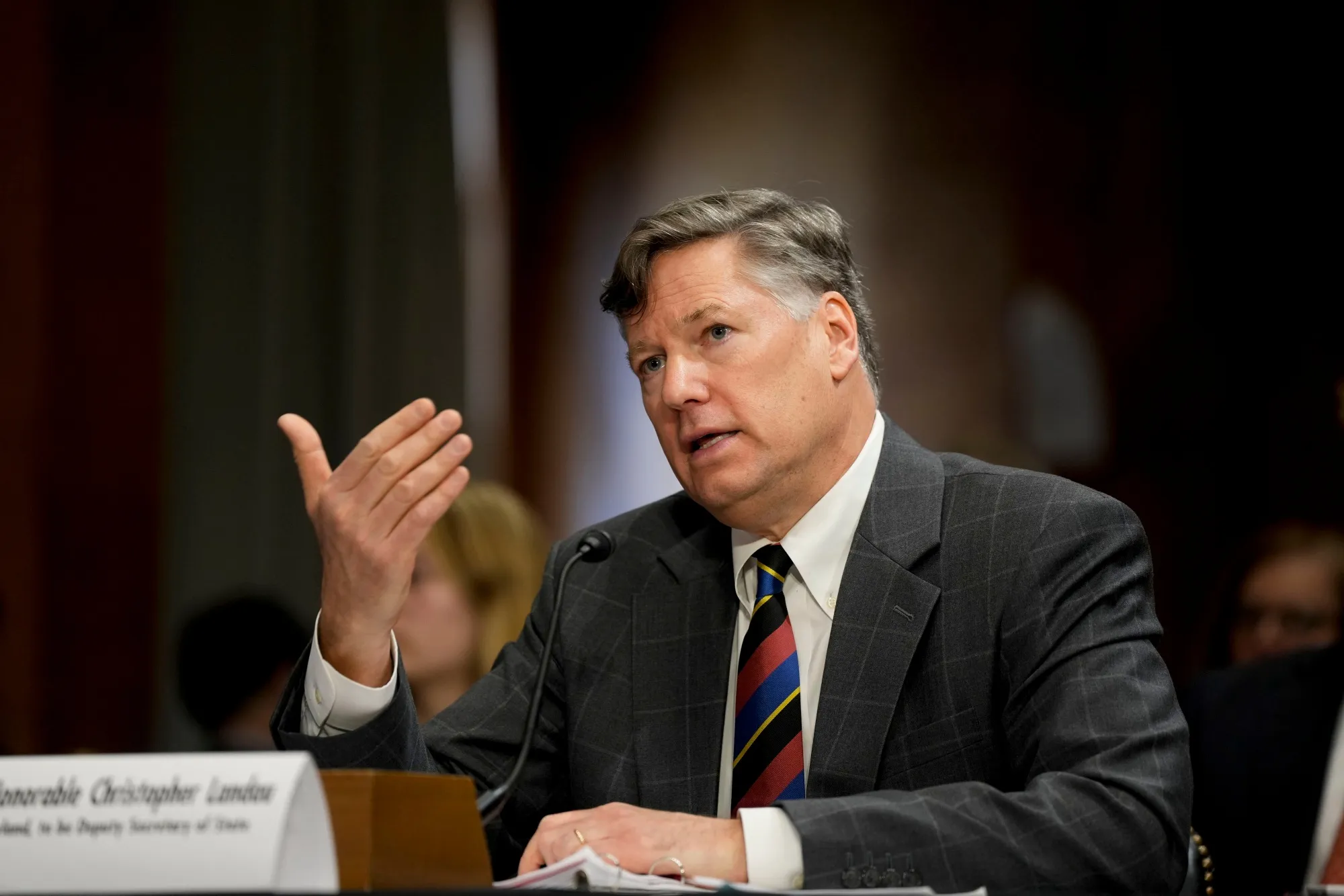
On August 20, 2025, U.S. Deputy Secretary of State Christopher Landau declared that no foreign court could limit the First Amendment.
He wrote on X that U.S. law protects citizens and companies from outside attempts to restrict free expression inside the United States. His statement came after Brazil’s Supreme Court ordered global content removals from American platforms.
Landau emphasized that the Trump administration will not allow foreign governments to censor Americans or U.S. firms. The U.S. Embassy shared his remarks in Portuguese, highlighting that constitutional rights remain under American jurisdiction, not international courts.
The dispute centers on Justice Alexandre de Moraes of Brazil’s Supreme Court. He directed platforms such as X and Rumble to delete posts worldwide, including those of former president Jair Bolsonaro and his allies.
These demands came with threats of heavy fines and possible expulsion from Brazil’s market. U.S. officials described the orders as unlawful because they targeted speech protected under U.S. law.
The First Amendment guarantees freedom of speech and press within the United States. American courts have ruled consistently that this right cannot be suspended by foreign governments.
U.S.–Brazil Legal and Trade Clash
Landau’s words reinforced this principle and warned that Washington would resist extraterritorial censorship. The clash is only one part of a widening confrontation. At least five friction points now shape U.S.–Brazil relations.
First, the Trump administration sanctioned Justice Moraes under the Global Magnitsky Act in July 2025. Second, Washington froze his U.S. assets and blocked American companies from dealing with him.
Third, the U.S. barred him from entering the country. Fourth, President Trump announced 50 percent tariffs on selected Brazilian imports, citing judicial overreach and censorship orders as justification.
Fifth, Trump declared a national emergency, arguing that Brazil’s actions threatened U.S. national security, commerce, and constitutional rights.
Each new move raises pressure. U.S. firms must choose between following Brazilian court orders or risking penalties under American law. Brazilian authorities insist that their rulings must apply globally to ensure enforcement inside their borders.
This creates direct conflict for platforms that operate in both countries. The stakes extend beyond law. Brazil is Latin America’s largest economy, and U.S. companies rely on access to its market.
However, constant disputes create compliance costs and uncertainty. Investors must now weigh risks from tariffs, sanctions, and regulatory instability. Technology firms face the most exposure because they sit at the center of this legal clash.
The conflict highlights a central issue in global trade: where do national legal powers stop when data and platforms cross borders? Washington insists that the First Amendment cannot be curtailed outside the United States.
Brasília insists that its highest court holds authority within Brazil and beyond when global platforms refuse to comply. Each side now stands firm, and new friction emerges almost daily.
More: Brazil news in English, every day from The Rio Times.
This article was drafted with automated assistance and reviewed before publication. How we use AI · Report an error
Read More from The Rio Times