Mombasa Port Empty Container Backlog Deepens as Kenya Enters Peak Import Season
KENYA · TRADE
Key Facts
- —What happened About 167,000 containers are due back at Mombasa’s empty depots, stretching return cycles into the peak season.
- —What it costs hauliers Trucks wait about five days per return at roughly US$100 a day, or some US$16 million in detention losses.
- —A container, in plain terms Trade volumes are counted in TEUs, the standard twenty-foot container used as the industry’s unit.
- —The depot squeeze Five empty-container depots serve Mombasa with combined capacity of 28,400 TEUs, several running above 90 percent.
- —The rule in force Since 26 January 2026 empty containers must spend 72 hours in an inland depot before port loading.
- —What is not published Neither the port authority nor the depots publish daily clearance rates, so the trend cannot be tracked independently.
A backlog measured in six figures, a five-day truck cycle, and a peak season that starts this month.
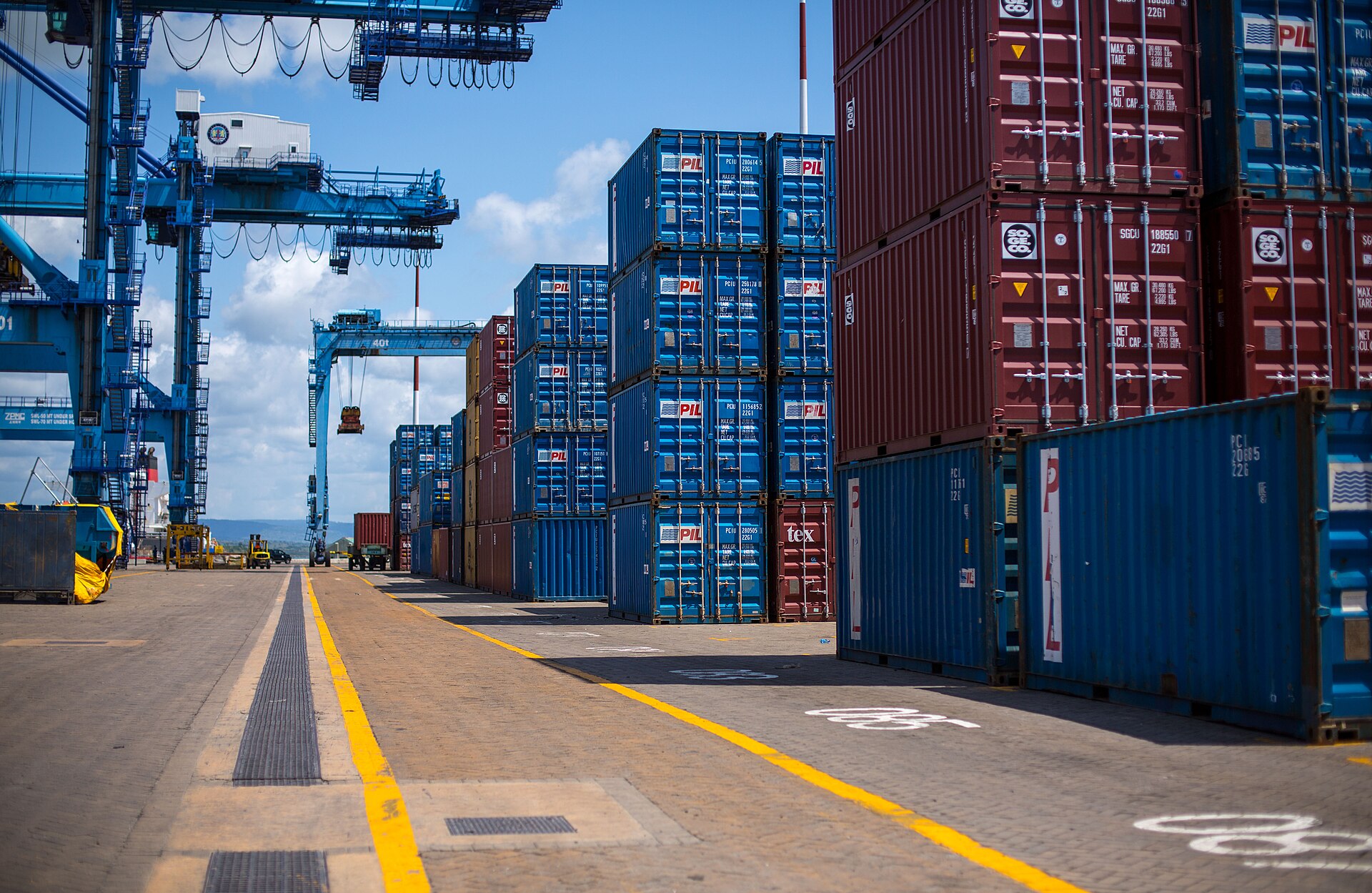
Kenya’s main port at Mombasa is entering its busiest import months with a large backlog of empty containers still waiting to be returned. Industry bodies put the number due back at the port’s empty depots at about 167,000 since September 2025.
What the Backlog Actually Is
An empty container has to be returned to a depot before it can be reloaded and shipped out. When returns slow down, boxes sit on trucks, in yards and on customer premises instead of going back into circulation.
Industry bodies count about 167,000 containers due back at Mombasa’s empty depots since September 2025. Trade volumes are measured in TEUs, meaning twenty-foot equivalent units, the standard container size used as the sector’s counting unit.
What It Costs the People Moving Cargo
A truck returning an empty box is currently tied up for about five days. Haulage operators price that idle time at roughly US$100 a day.
Across the volumes involved, freight forwarders put the detention bill at about US$16 million. That is money leaving trucking businesses rather than the port.
Where the Empties Are Supposed to Go
Five empty-container depots serve Mombasa, with a combined capacity of 28,400 TEUs. Several of them have been running above ninety percent of that capacity.
A depot at ninety percent has almost no room to absorb a surge. That is the practical constraint behind the queues drivers experience.
The Rule That Changed in January
Since 26 January 2026 empty containers must spend at least 72 hours in an intermediate depot before being loaded at the port. Shipping agents must also file seven days in advance.
Gate-in also closes 24 hours before a vessel berths. The Kenya Ports Authority set all three rules together.
The rules were introduced to smooth the flow of boxes into the port. Whether they have achieved that is not something either the authority or the depots publish data on.
How the Yard Got This Full
As at 31 December 2025, the Shippers Council of Eastern Africa put the port’s yard population at 50,000 to 52,000 TEUs. Its chief executive Agayo Ogambi gave that figure in January 2026.
Kenya Ports Authority managing director Captain William Ruto said in November 2025 that the port held up to 12,000 containers. Its storage was designed for about 8,000.
Those are the reference points the current situation grew out of. Neither figure has been formally updated since.
The Trucks in the Middle
The Kenya International Freight and Warehousing Association said in January 2026 that more than 500 trucks were immobilised by the backlog. Each of those vehicles represents a loan payment and a driver’s wage.
Trucking is the part of the chain with the least financial cushion. A shipping line can reroute a vessel, and a haulier can only wait.
Why September Matters
September to December is Kenya’s peak import season, when retailers and manufacturers build stock. Demand for containers rises exactly when the system has least slack.
That timing is the whole story. A backlog that is manageable in a quiet month becomes a queue in a busy one.
A Question Over the Port’s Leadership
On 17 September 2026 the High Court in Mombasa certified as urgent a constitutional petition brought by the activist Francis Awino. It argues that Captain Ruto’s term as managing director expired on 9 March 2026 with no reappointment published.
The petition has not been decided and makes no allegation about the container backlog. We report it because it concerns the authority now managing that backlog.
What It Means for Importers
Anyone importing into Kenya this quarter should assume longer container turnaround than the contract nominally allows. Detention charges accrue whether or not the delay is the importer’s fault.
The practical protection is to agree free-time terms with the shipping line before the box arrives. That conversation is much harder once the container is already late.
What Is Not Yet Known
Neither the port authority nor the depot operators publish daily clearance rates. Without that figure, nobody outside the system can say whether the backlog is growing or shrinking this week.
There is also no published assessment of whether the January rules helped. The authority has not released before-and-after data.
What to Watch
Whether the Kenya Ports Authority begins publishing empty-container clearance figures. That single disclosure would let importers plan instead of guess.
Watch also for depot expansion announcements. Capacity is the binding constraint, and no amount of rule-making replaces it.
More: Africa news and analysis, every day from The Rio Times.
Frequently Asked Questions
How many containers are waiting?
About 167,000 are due back at Mombasa’s empty depots since September 2025, according to industry bodies.
What is a TEU?
A twenty-foot equivalent unit, the standard container size used as the shipping industry’s counting unit.
What does the delay cost?
Roughly US$16 million in truck detention, based on a five-day return cycle at about US$100 a day.
What rule applies to empty containers?
Since 26 January 2026 they must spend at least 72 hours in an inland depot before being loaded at the port.
How much depot capacity is there?
Five depots serve Mombasa with combined capacity of 28,400 TEUs, several running above ninety percent.
Is the backlog getting better or worse?
That cannot be established. Daily clearance rates are not published.
Sources: Shippers Council of Eastern Africa and Kenya International Freight and Warehousing Association statements; Kenya Ports Authority circulars of January 2026; Kenyan press reporting, 17 September 2026.
This article was produced by The Rio Times’ automated newsroom system. How we use AI · Report an error
LatAm Markets: Live Signals → — real-time movers, turnover leaders and FX across Latin America.
Read More from The Rio Times