In November 2023, Mexico’s private oil producers hit a 16-month low, extracting just 95,400 barrels daily, according to the National Hydrocarbons Commission.
This decline continues the downward trend, showing a 2% monthly and 8% annual drop. It’s the third consecutive month of reduced yields.
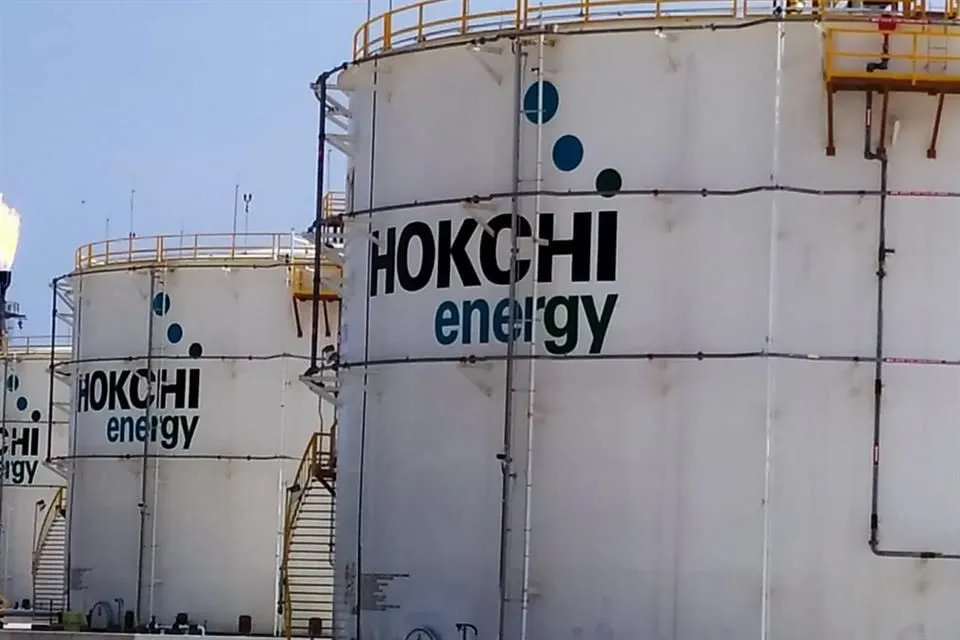
Leading companies such as ENI and Hokchi Energy drove these significant reductions.
Although these private firms represent just 5% of national output, their decline affects overall figures.
This contrasts with Pemex, the state-owned company, which contributes 95%.
The private sector’s original target was to increase daily output to 214,000 barrels in 2023 and 280,000 in 2024.
This goal now appears overly ambitious. Industry leaders like Merlin Cochran of Amexhi have not announced new production forecasts.
This signals ongoing challenges and unmet targets.
President Andrés Manuel López Obrador initially set these ambitious targets. He did so before considering new oil auctions, aiming to strengthen state-run Pemex.
The persistent decline in private production highlights the complexities within Mexico’s oil sector.
It reflects the intricate dynamics of energy production, economic policies, and market forces nationally and globally.
Background
The drop in Mexico’s private oil production mirrors wider global oil market trends and geopolitical changes.
As the world shifts to renewable energy, the oil industry faces uncertainty, affecting investment and production.
Regionally, Mexico’s situation offers a contrast to other Latin American oil producers. Brazil and Venezuela, for example, face different challenges and approaches.
This provides a comparative view of natural resource management and economic strategies.
More: Mexico news in English, every day from The Rio Times.
This article was produced by The Rio Times’ automated newsroom system. How we use AI · Report an error
Read More from The Rio Times