Mexico’s Economic Growth Slows to 1.6%: Challenges for the Incoming Government
Mexico’s economic growth dipped to a modest 1.6% in early 2024, just as a presidential election looms.
From January to March, the GDP edged up by just 0.3% from the previous quarter, slightly better than the 0.2% expected by economists.
Despite outperforming predictions in 2023, factors like weak export demand and harsh weather significantly slowed progress.
The central bank’s high borrowing rates since 2022 have also restricted growth.
Government spending efforts, like wage hikes and early pensions, before the June elections, lacked significant economic impact.
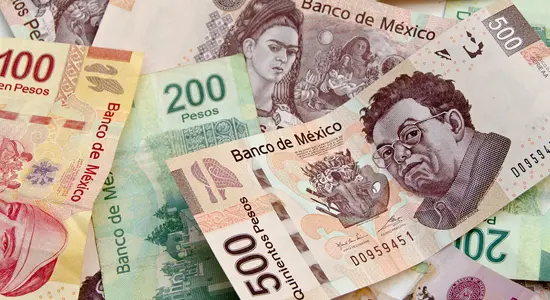
Moreover, the strong Mexican peso, thriving among emerging market currencies, has raised exporters’ eyebrows.
Simultaneously, scorching heat has triggered droughts, risking electricity shortages and possibly affecting the next quarter’s economic figures.
However, the forecast isn’t all bleak. Analysts predict a GDP rise to 2.2% in 2024 and 1.8% in 2025, spurred by potential interest rate cuts by the central bank.
Growth could even reach up to 5% thanks to the USMCA trade deal. Robust labor markets should enhance consumer spending.
Major public works projects and a shift in manufacturing to Mexico are expected to fuel further economic expansion.
Despite these opportunities, the Mexican economy faces a critical juncture.
The next government will need to navigate a complex array of domestic challenges and global economic pressures to sustain growth and prosperity.
This economic scenario isn’t just numbers on a chart; it affects real lives—impacting jobs, investment in public services, and the overall quality of life for millions.
Key Facts
— Deep Dive
— For the complete picture, read our in-depth guide: Mexico Economy 2026: GDP, Peso, Nearshoring, Banxico and Trade
More: Mexico news in English, every day from The Rio Times.
This article was produced by The Rio Times’ automated newsroom system. How we use AI · Report an error
In depth
Read More from The Rio Times