Mexicans Fear the World Cup Will Make Their Cities Costlier
México · Society
Key Facts
—A wary public. Residents of México’s host cities greet the World Cup with caution.
—The study. A university survey polled 460 people across three host cities.
—Top worry. Many fear a higher cost of living during the tournament.
—Gridlock ahead. Traffic and mobility are a major concern, above all in the capital.
—Uneven gains. Residents expect the benefits to flow to just a few sectors.
—Rent pressure. Scholars warn of rising rents and the displacement of locals.
As the World Cup arrives in México, many of the people who actually live in its host cities are not cheering, but bracing themselves for higher prices, worse traffic and benefits they doubt they will ever see.
A World Cup is supposed to bring joy to its host. In México, the mood among ordinary residents is far more guarded.
A new survey has put numbers to that unease. It finds people in the host cities worried about the price they will pay.
What the World Cup survey found
The study came from a respected Mexican university. Its geographers polled 460 residents, working with partners in Spain.
They asked people in the three Mexican host cities. Those are Ciudad de México, Guadalajara and Monterrey.
The headline finding was a striking lack of excitement. Enthusiasm was limited, and worries about daily life dominated.
About half doubted the event would unite people. That cuts against the usual image of a World Cup as a moment of national togetherness.
The three cities did not respond alike. Monterrey was the most hopeful about the economic gains the tournament might bring.
Guadalajara showed the least faith in officials. Residents there were the most doubtful that the authorities could organise it well.
The fear of higher prices
Top of the list was the cost of living. Residents expect big events to push up the price of services and lodging.
For tight household budgets, that is no small thing. Families already stretched fear being squeezed harder still.
Housing is the sharpest worry of all. Scholars warn the tournament could drive up rents in sought-after districts.
The risk is that locals get pushed out. As owners chase tourist rates, long-term renters can find themselves priced away from home.
This is not a purely hypothetical fear. In parts of the capital, rents in fashionable areas have already climbed sharply.
Renting is widespread in México too. A large share of homes are leased rather than owned, so price swings hit many households directly.
Traffic, noise and a city as a shop window
Beyond money, daily friction looms large. People fear worse traffic as crowds of visitors pour in.
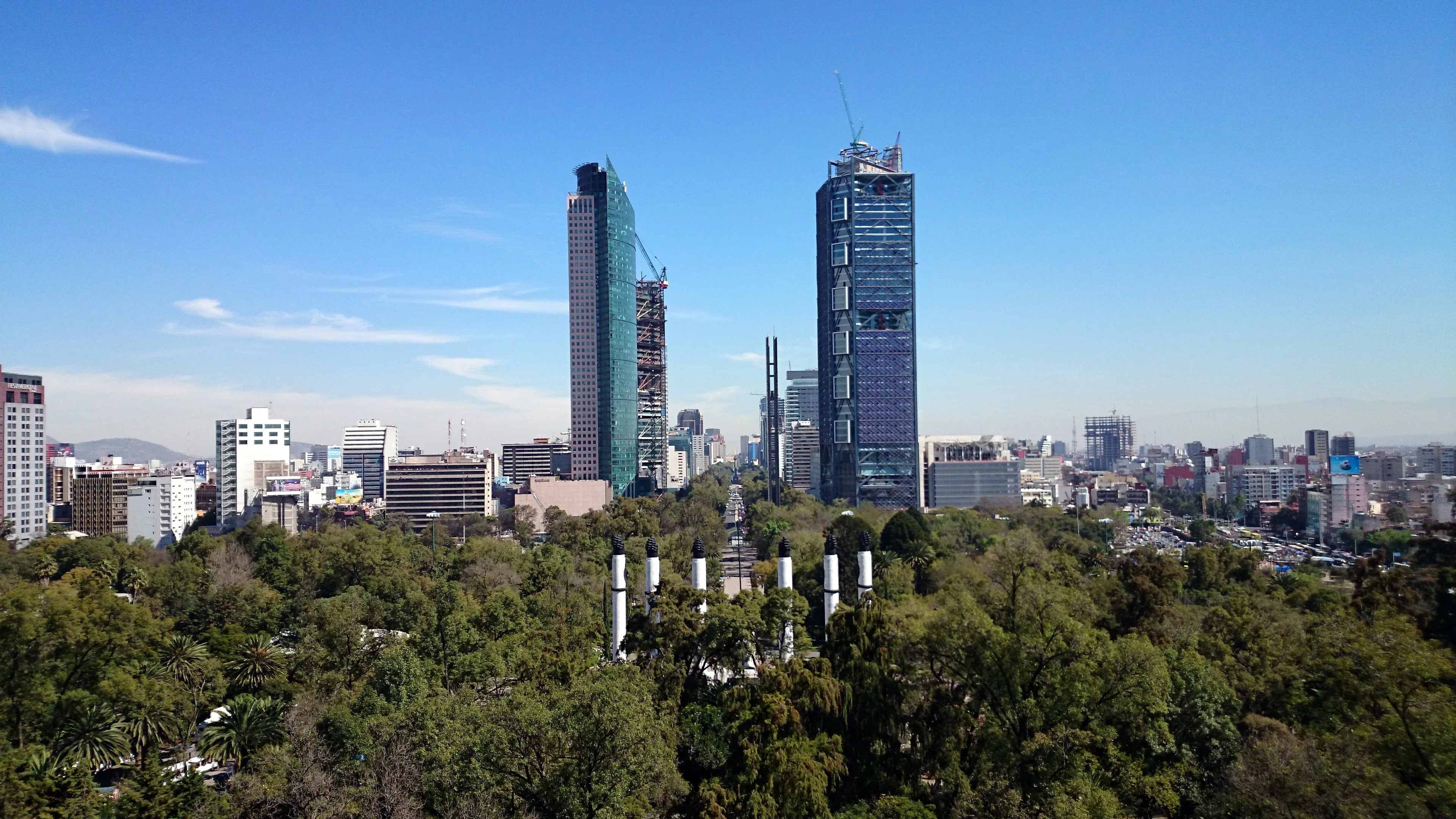
The capital was the most anxious on this point. Ciudad de México already struggles with some of the region’s heaviest congestion.
Authorities have tried to soften the blow. For the opening match, offices and schools in the capital were given the day off to ease the roads.
Researchers framed it with a sharp phrase. They spoke of cities turned into a global shop window, marketed to the world.
The danger, they argued, is misplaced priorities. Money may flow to showpiece works while basic local needs wait.
Who really benefits?
The deepest doubt concerns who gains. Many residents expect the rewards to land in just a few pockets.
Investment tends to cluster in certain zones. Tourist areas and the streets near stadiums get the attention and the upgrades.
Other neighbourhoods, they fear, are left behind. The gap between the polished and the neglected can simply widen.
There is an economic chain behind the spectacle. Broadcast rights, marketing and construction all reshape a city for the cameras.
Officials, for their part, point to the upside. The government expects the tournament to deliver billions of dollars in economic activity.
The tension is the familiar one for host nations. A short burst of glamour must be weighed against lasting costs for residents.
Why it matters
For a foreign reader, this is the other side of the spectacle. The party on television has a price tag for the people who live there.
It is also a question many host cities now ask. Whether a mega-event truly serves residents, or mainly the brands and the cameras, is far from settled.
More: Latin America news in English, every day from The Rio Times.
Frequently Asked Questions
What did the survey find?
A Mexican university survey of 460 residents across the three host cities found limited enthusiasm for the World Cup and widespread worry about its effects. The top concerns were a higher cost of living, worse traffic and benefits flowing to only a few sectors.
Which cities are hosting in México?
México is co-hosting the World Cup with the United States and Canada, and its three host cities are Ciudad de México, Guadalajara and Monterrey. The capital showed the greatest anxiety about traffic and congestion.
Why are residents worried about rents?
Scholars warn that large events can push up rents in popular districts as owners chase short-term tourist income. That can displace long-term renters, deepening inequality in the host cities.
Connected Coverage
This article was produced by The Rio Times’ automated newsroom system. How we use AI · Report an error · Editorial responsibility: Matthias Camenzind, Editor-in-Chief