Mexico City Culture Is Open and Affordable for Everyone

Mexico City culture is unusually open, with ancient sites, major museums, and neighbourhood traditions available to nearly everyone at low or no cost.
Mexico City has built a cultural life that is visible, public, and widely shared. Ancient ruins, colonial landmarks, and modern museums sit side by side in the same neighbourhoods where people live and work.
Key Facts
- Access. Many major Mexico City museums offer free entry on certain days.
- Range. The city mixes pre-Hispanic ruins, colonial landmarks, and modern art.
- Neighbourhoods. Centro Histórico, Roma, Condesa, and Coyoacán make culture part of daily life.
- Living culture. Food, music, street markets, and murals are central to the experience.
- Public spaces. Chapultepec and Xochimilco offer low-cost cultural outings.
A Cultural Landscape That Spans Centuries
Few cities in the Americas hold as many layers of history in one place. Pre-Hispanic ruins, colonial-era buildings, and contemporary art spaces all form part of the same urban fabric.
This is not culture kept behind velvet ropes. It is woven into the streets, plazas, and daily routines of the city.
Visitors can move from an Aztec site to a baroque cathedral to a modern gallery within a single afternoon. That range makes the city feel like a living museum rather than a collection of separate attractions.
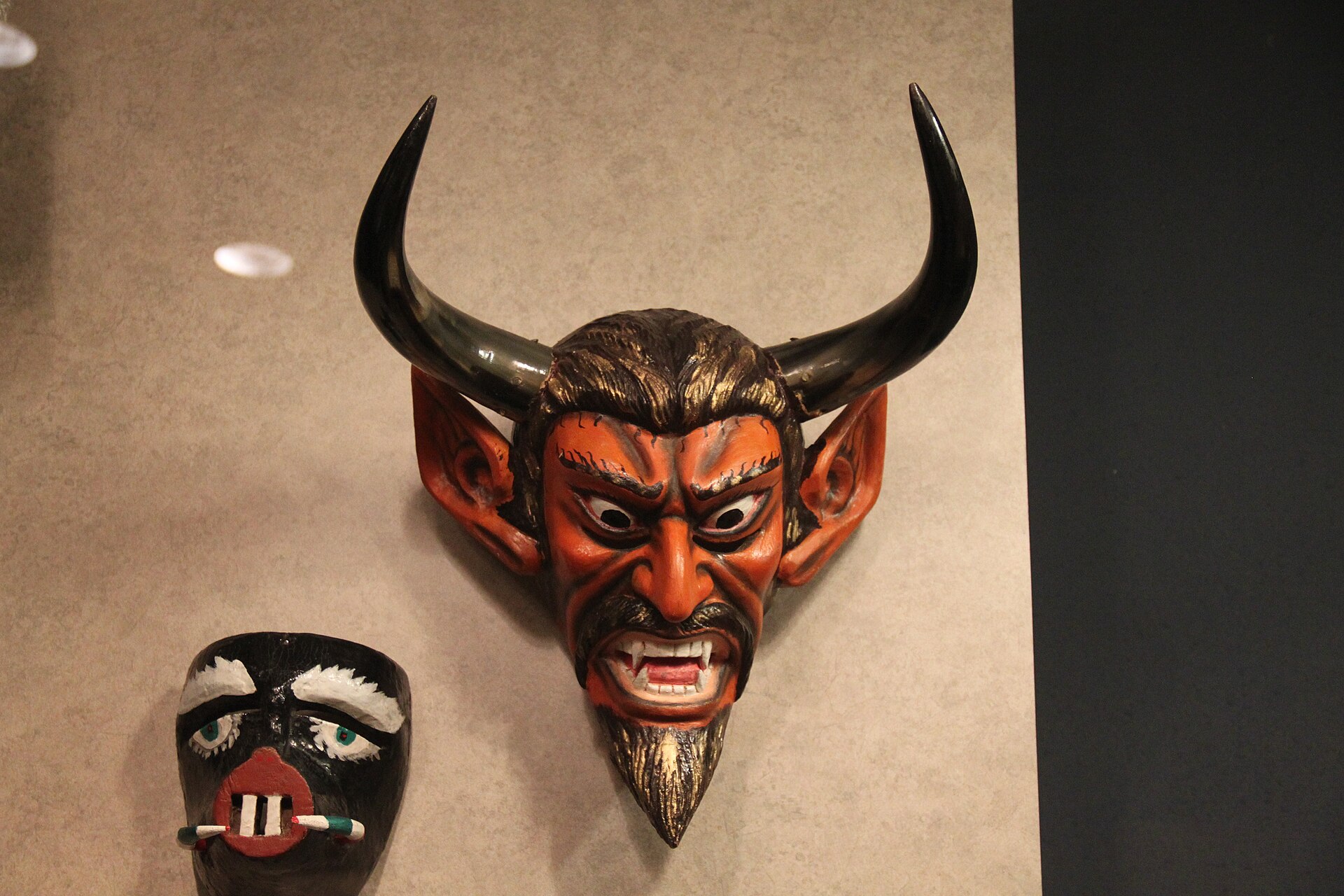
Museums That Welcome Everyone
The National Museum of Anthropology and Palacio de Bellas Artes are among the most recognised cultural institutions in Latin America. Both are repeatedly highlighted as core experiences for residents and visitors alike.
The Frida Kahlo Museum and the National Art Museum add further depth to the city’s offerings. Together they cover indigenous heritage, fine art, and modern Mexican identity.
Many of these institutions offer free entry on certain days. That pricing model lowers the barrier for students, families, and curious travellers who might otherwise skip a museum visit.
Neighbourhoods Where Culture Lives Outdoors
Centro Histórico, Roma, Condesa, and Coyoacán are not just places to see culture. They are places where culture happens on the street.
Murals, markets, music, and dance give these areas a creative energy that costs nothing to experience. A walk through Coyoacán or Roma can feel like a gallery visit without a ticket.
This neighbourhood-based model spreads cultural life across the city. It does not concentrate it in a single elite district or a handful of expensive venues.
Public Spaces as Cultural Commons
Chapultepec and Xochimilco are two of the city’s most important public spaces. Both offer low-cost ways to spend a day outdoors while absorbing local heritage.
Chapultepec is one of the largest urban parks in the Western Hemisphere. It contains museums, gardens, and walking paths that are open to the public.
Xochimilco’s canals and trajineras keep an older way of life alive. The experience is affordable and deeply tied to the city’s identity.
Food, Music, and Markets as Living Culture
Mexico City culture is not limited to buildings and artefacts. Food, music, and street markets are described as central to how culture is experienced in daily life.
Street vendors, market stalls, and neighbourhood gatherings carry traditions that museums can only document. This living culture is accessible to anyone with a few pesos and a willingness to explore.
For expats and long-term visitors, this is often the most memorable part of the city. It turns ordinary errands into cultural encounters.
What This Means for Visitors and Expats
For investors and professionals relocating to Latin America, quality of life matters as much as cost of living. Mexico City offers a cultural depth that is rare at this price point.
A family can spend a weekend visiting world-class museums, walking historic neighbourhoods, and eating at traditional markets without a large budget. That accessibility makes the city attractive for long-term stays.
The cultural infrastructure also supports a strong tourism economy. Visitors who come for culture tend to stay longer and spend across more neighbourhoods.
The Read-Through for Latin America
Mexico City’s model shows how public investment in culture can pay off socially and economically. It keeps heritage alive while making it available to everyone.
Other Latin American capitals have similar assets but do not always integrate them as fully into daily life. Mexico City’s approach offers a template for cities looking to boost tourism and local pride at the same time.
The result is a city where culture is not a luxury. It is part of the common good.
More: Mexico news in English, every day from The Rio Times.
Frequently Asked Questions
Is Mexico City culture expensive to experience?
No. Many museums offer free entry on certain days, and public spaces like Chapultepec and Xochimilco are low-cost.
Street markets, murals, and neighbourhood music can be enjoyed for very little money.
Which neighbourhoods are best for cultural exploration?
Centro Histórico, Roma, Condesa, and Coyoacán are among the most culturally rich areas. They combine historic landmarks, street art, markets, and local traditions in walkable settings.
What makes Mexico City culture different from other Latin American capitals?
The city layers pre-Hispanic, colonial, and modern culture in a single urban space. It also spreads cultural life across many neighbourhoods rather than concentrating it in elite venues, making it more accessible to everyone.
This article was produced by The Rio Times’ automated newsroom system. How we use AI · Report an error · Editorial responsibility: Matthias Camenzind, Editor-in-Chief