Mexico and U.S. Wrap Up First Formal Round of North American Trade Pact Review
MEXICO · TRADE
Key Facts
—The round. Mexico and the United States concluded the first formal round of negotiations toward review of the USMCA trade pact, held May 27–29 in Mexico City.
—The verdict. Both governments described the outcome as positive, in what Mexico’s economy ministry called a constructive and frank atmosphere.
—The agenda. Talks covered rules of origin, the auto, steel and aluminium sectors, competition from Asia and regional economic security.
—The leads. Economy Minister Marcelo Ebrard led the Mexican side; deputy US trade representative Jeffrey Goettman led the US team.
—The next steps. Further rounds are set for June 16–17 in Washington and July 20 in Mexico City; Canada is not part of these bilateral sessions.
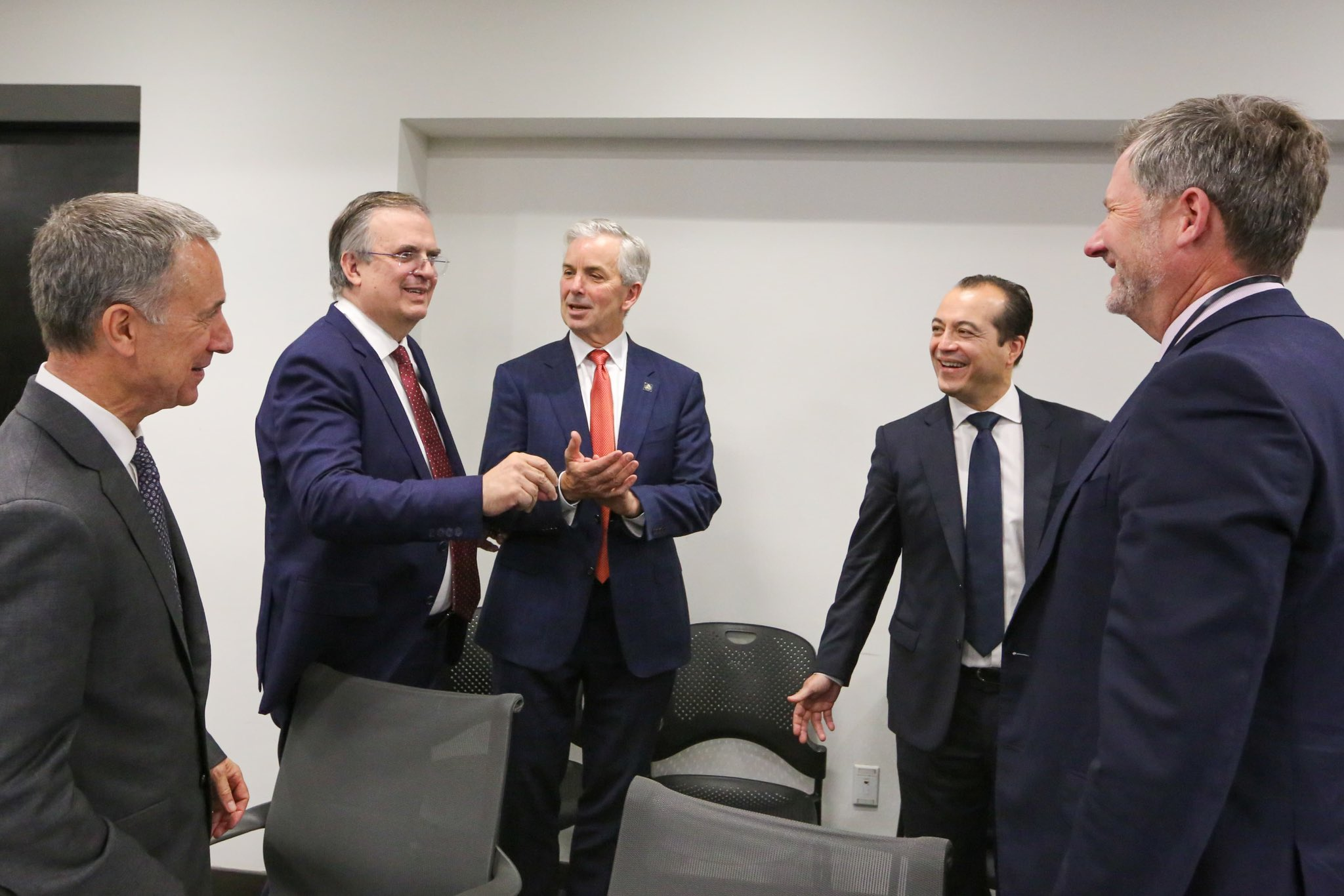
Mexico and the United States concluded the first formal round of negotiations toward the review of their North American trade pact, with both sides calling the talks positive. The agenda centred on rules of origin and the automotive, steel and aluminium sectors, as the two countries prepare for the agreement’s joint review in 2026.
What the round covered
Mexico’s Economy Ministry and the Office of the US Trade Representative wrapped up the first formal round of talks toward the review of the United States-Mexico-Canada Agreement, held in Mexico City from May 27 to 29. A US delegation that arrived on May 27 included bipartisan members of the congressional Ways and Means Committee and around 60 business representatives.
Economy Minister Marcelo Ebrard said the two sides discussed rules of origin, the development of the automotive sector and how the region competes with countries in Asia and other parts of the world. He described the conversation as cordial and said much detailed work lay behind it.
Who led the talks
Ebrard led the Mexican delegation. On the US side, with trade representative Jamieson Greer absent, deputy US trade representative Jeffrey Goettman headed the team, telling reporters the meetings had been productive.
The US Trade Representative’s office said one of its goals was to reduce the trade deficit with Mexico and strengthen American supply chains, and pointed to the importance of improving regulatory compatibility in sectors including medical devices, pharmaceuticals and cosmetics.
What comes next
The next round is scheduled for June 16–17 in Washington, where agriculture and competition conditions will be added to the agenda alongside continued work on rules of origin. A third round is planned for the week of July 20 in Mexico City, oriented toward closing outstanding points ahead of the joint review in 2026.
Canada is not included in these bilateral sessions. Mexico’s Economy Ministry said both countries came to the table with solid, evidence-based positions and a willingness to build agreements benefiting workers, industry and consumers across the three member countries.
More: Latin America news in English, every day from The Rio Times.
Why it matters
The trade pact underpins one of the world’s most integrated manufacturing regions, and the automotive sector sits at the centre of the review. One US objective reported during the process is to raise the North American content threshold for vehicles, a change that would have significant implications for cross-border supply chains.
For Mexico, a central aim of the process is to provide legal certainty for foreign investment and protect jobs tied to the export sector, in a negotiation that will shape the terms of North American trade for years to come.
Frequently Asked Questions
What was agreed?
No final agreement; the first formal round of negotiations toward the USMCA review concluded positively, with talks to continue.
What topics were discussed?
Rules of origin, the auto, steel and aluminium sectors, competition from Asia and regional economic security.
When are the next rounds?
June 16–17 in Washington, focused on agriculture, and July 20 in Mexico City to close outstanding points.
Is Canada involved?
Canada is not part of these bilateral sessions between Mexico and the United States.
Connected Coverage
For more, see our coverage of Mexico’s record first-quarter foreign direct investment.
This article was produced by The Rio Times’ automated newsroom system. How we use AI · Report an error
In depth
Read More from The Rio Times