
Energy: Mexico
Key Facts
—Who. Cuitláhuac García Jiménez, director of CENAGAS, the state operator of Mexico’s national gas pipeline network.
—What. He told President Claudia Sheinbaum’s morning press conference that gas arriving from the US fell by about 20%, and that Mexico has gas for up to three days if imports stopped.
—Where. Pipelines from Texas, mainly the Ramones injection point, according to CENAGAS as reported by Expansión.
—When. Disclosed on Wednesday 7 October 2026. CENAGAS says its alert ended on Sunday 4 October.
—Why it matters. US pipelines delivered 6.4 billion cubic feet a day to Mexico in 2024, against Mexican consumption of 8.6 billion, according to the US Energy Information Administration (EIA).
—Status. García said Mexico handled the shortfall without major problems. No cost estimate has been published.
—As of. 7 October 2026, 23:40 GMT.
Mexico absorbed a temporary cut of about one-fifth in its US natural gas supply, the head of the national gas-network operator said on Wednesday. The country has almost no storage, so the episode shows how closely Mexican power depends on pipelines from Texas.
What We Know
Cuitláhuac García Jiménez, director of CENAGAS, disclosed the cut at President Claudia Sheinbaum’s morning press conference on Wednesday 7 October 2026. He said the United States had sent about 20% less natural gas than normal and called it “a critical situation in the United States”.
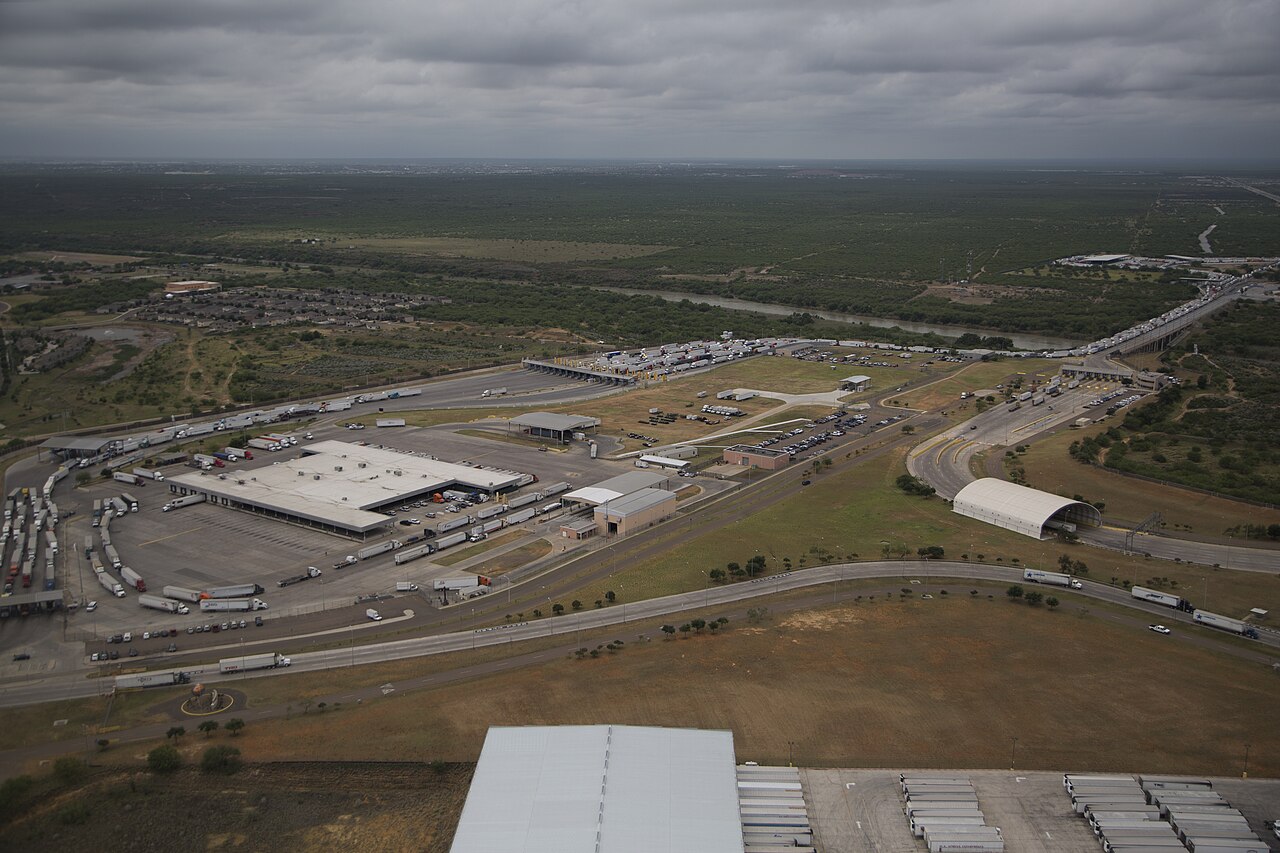
According to Expansión, which cites CENAGAS, maintenance on infrastructure in Texas feeding the Ramones injection point cut the gas entering Mexican pipelines by about a fifth. The reduction ranged from 950 million to 1.35 billion cubic feet a day.
An unplanned event at the El Paso C compressor station in El Paso, Texas, then reduced imports further. Mexico issued an operational restriction alert, and CENAGAS also activated a critical alert as a precaution.
CENAGAS says the restriction was partial and limited to the Ramones point, and Expansión reports that the other 20 import points were untouched. Its alert ended on Sunday 4 October, according to Expansión.
How the Shortfall Was Managed
García said CENAGAS, Pemex, the state power utility CFE, the grid operator CENACE and the Energy Ministry worked together to cover the gap. In his words, “we were able to handle it without problems”.
He also said Mexico could cope for up to three days if US gas stopped entirely, and he admitted that the country has no storage, according to El Universal. El Imparcial reports that the three days reflect gas already inside the pipelines, not a separate stockpile.
How Dependent Is Mexico on US Gas?
The EIA says US pipeline exports to Mexico averaged 6.4 billion cubic feet a day in 2024, a record. Mexican gas consumption was 8.6 billion cubic feet a day over the same period.
Monthly exports reached 7.5 billion cubic feet a day in May 2025, a monthly record at the time. West and South Texas supplied 91% of pipeline exports in 2024.
García said gas-fired plants make 60% to 62% of Mexico’s electricity, according to El Universal. Gas supply is therefore also a question of power supply.
Expansión puts Mexico’s reliance on US gas at about 70%, while El Imparcial cites 75%. The American Petroleum Institute says US gas covered only 39% of Mexico’s demand in 2015.
The EIA names constraints in Mexico’s pipeline infrastructure and limited gas storage as the main brakes on exports. Expansión says a proposed regional storage plan is still under analysis.
What Sheinbaum Said
Sheinbaum stressed energy sovereignty, meaning less reliance on imported fuel, and cited almost 1.2 trillion pesos (about US$67 billion) of investment in electricity and gas pipelines during her six-year term. We convert at EODHD’s rate of 17.96 pesos per US dollar on 7 October.
El Imparcial lists renewable power, recovery of flared gas and a study of unconventional gas in Coahuila among the steps under way. For earlier background, see our reports on Mexico’s energy strategy and on Pemex’s gas output.
What We Do Not Know
García did not say which US suppliers were involved beyond the Texas points CENAGAS describes. We found no US government statement on the episode.
Reports also differ on timing: García said the notice came about a week before his remarks, while Expansión dates the maintenance from 24 September to 4 October. We have not seen a published estimate of any cost to Mexican industry.
What It Means for US Readers and Investors
Producers and pipeline operators in Texas supply most of Mexico’s imported gas, so a drop of this size is also a story about US sales. The EIA reports that exports to Mexico hit records in 2024 and 2025.
For travelers and business visitors, García reported no major disruption to supply or power generation this time. Factories that supply US customers draw on the same national gas network, so a longer cut would matter beyond Mexico.
Mexico publishes September inflation on Thursday 8 October at 12:00 GMT, with a forecast of 3.47% a year against 3.26% before, according to EODHD’s calendar. The Bank of Mexico’s policy minutes follow at 15:00 GMT the same day.
Frequently Asked Questions
How much US gas did Mexico lose?
About one-fifth of the gas entering CENAGAS pipelines, or 950 million to 1.35 billion cubic feet a day, according to CENAGAS as reported by Expansión. García said Mexico handled it without major problems.
What caused the cut?
CENAGAS cites maintenance on infrastructure in Texas feeding the Ramones injection point, followed by an unplanned event at the El Paso C compressor station. García called it a critical situation in the United States without further detail.
How long could Mexico last without US gas?
García said up to three days, because the country has no storage. El Imparcial reports that the figure reflects gas already inside the pipelines.
Why does this matter to US readers?
US pipelines supply most of the gas Mexico uses, and Texas supplies most of those exports. A disruption can therefore touch both US sellers and Mexican factories that serve US customers.
Sources
El Universal · Expansión · El Imparcial · El Financiero · US Energy Information Administration · American Petroleum Institute · CENAGAS
Connected Coverage
This article was produced by The Rio Times’ automated newsroom system. How we use AI · Report an error · Editorial responsibility: Matthias Camenzind, Editor-in-Chief