Lula’s Efforts to Win Over Brazilian Farmers Fall Short
(Analysis) Brazilian President Luiz Inácio Lula da Silva recently unveiled a record crop financing plan worth 400 billion reais ($73 billion).
This strategy, which once made him highly popular, aims to boost the economy and gain support from the agricultural sector.
However, 18 months into his second term, Lula faces significant challenges in a polarized political environment.
His approval ratings have plummeted below 40%, a stark contrast to the over 80% approval he enjoyed at the end of his first presidency in 2010.
His ambitious agenda has stalled in a conservative Congress resistant to his methods.
With October elections nearing, Lula’s crop plan likely won’t sway the right-leaning agribusiness sector.
Agribusiness leader Pedro Lupion says farmers oppose Lula’s support for the Landless Workers’ Movement and indigenous land rights.
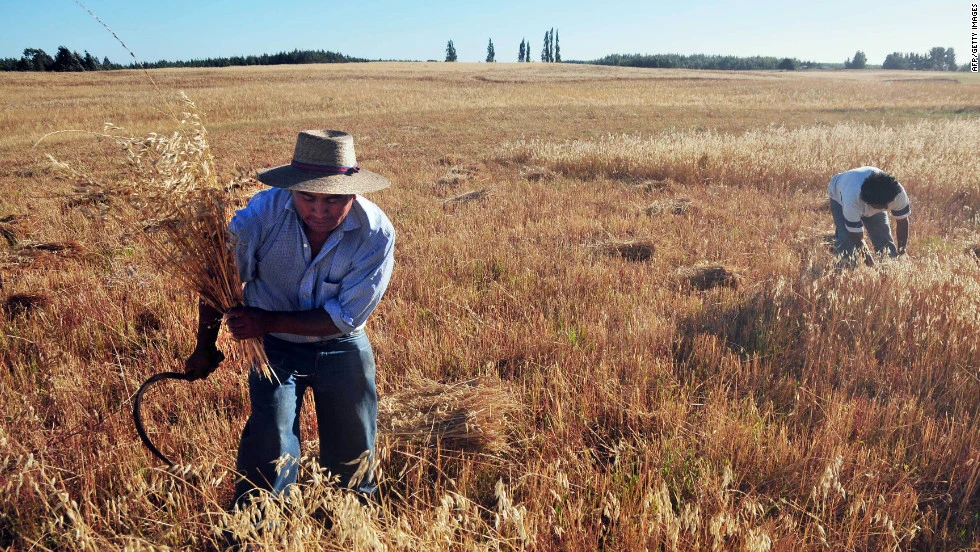
Agriculture has become a global political battleground. Farmers worldwide, reacting to economic transitions driven by climate change, have increasingly backed right-wing movements.
This trend has impacted Lula, who once enjoyed strong ties with the agricultural sector during the commodity boom of his first presidency.
Lula’s Efforts to Win Over Brazilian Farmers Fall Short
Agriculture remains vital to Brazil, accounting for 24% of GDP, 50% of exports, and a quarter of the jobs.
However, under former President Jair Bolsonaro, these ties were severed as Bolsonaro aligned closely with the sector on various conservative issues.
Rebuilding connections has been hard for Lula, who narrowly beat Bolsonaro in 2022 with an environmental and economic platform.
Lula has attempted to bridge the gap by including agribusiness leaders in trade missions and setting record crop financing levels.
However, his criticisms of the sector, especially regarding the 2023 insurrection attempt and indigenous land rights, have fueled opposition.
The agribusiness caucus has pledged to fight Lula’s agenda in Congress, further complicating his efforts.
Recent actions, including a controversial fiscal proposal by Finance Minister Fernando Haddad, have strained relations with the agricultural sector.
Although the Senate blocked the proposal, the damage was done, eroding trust in Lula’s administration.
Lula has time to recover before the 2026 presidential elections, but current struggles suggest a challenging path ahead.
The global rise of right-wing leaders, like Argentine libertarian Javier Milei, indicates shifting political winds that could further complicate Lula’s efforts.
This weekend, Milei will attend a conservative rally in Brazil, underscoring the growing strength of the right in the region.
More: Brazil news in English, every day from The Rio Times.
This article was produced by The Rio Times’ automated newsroom system. How we use AI · Report an error · Editorial responsibility: Matthias Camenzind, Editor-in-Chief