Kenya’s President Withdraws Finance Bill After Riots and Fatalities
In a dramatic turn of events, Kenya’s President William Ruto withdrew a contentious finance bill after intense youth-led protests erupted across the country.
Initially, the bill aimed to raise tax revenues by 200 billion Kenyan shillings ($1.6 billion) to fund various programs. It introduced substantial tax hikes on essentials such as bread and motor vehicles.
The vehement public backlash led to protests characterized by violent clashes with the police, resulting in the tragic deaths of several demonstrators and injuries to over 200.
President Ruto announced the bill’s withdrawal after public outrage, which included setting part of the parliament building ablaze.
The bill’s revisions, which saw the removal of several tax increases, failed to pacify the demonstrators, who then continued to protest, demanding a full retraction.
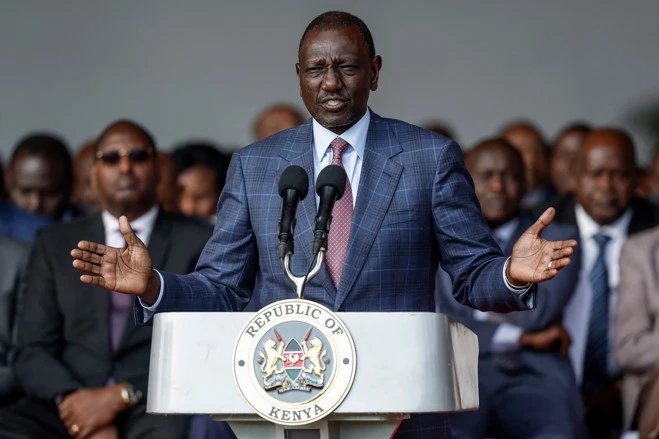
Ruto’s efforts to appease the situation also included cutting budget allocations for executive travel and accommodations.
Amidst the domestic turmoil, the Kenyan police faced criticism for their heavy-handed tactics, including the use of live ammunition and alleged abductions of protesters.
This national unrest coincided with the Kenyan police’s controversial role in maintaining order in Haiti. This drew international scrutiny over their qualifications for such assignments.
Global observers and Haitian human rights groups expressed concerns that the oppressive tactics witnessed in Kenya could be replicated abroad.
The #OccupyParliament movement, spurred by these protests, marked a significant moment in Kenyan civic activism.
It challenged both national policies and the international reputation of its police force.
More: Kenya news in English, every day from The Rio Times.
This article was produced by The Rio Times’ automated newsroom system. How we use AI · Report an error
Part of our ongoing coverage
Africa: The New Scramble — the great-power contest over the continent.
Read More from The Rio Times