Kenya Power Buys More Electricity From Ethiopia at More Than Twice the Old Price
Kenya · Energy
Key Facts
- —What Kenya imports Around 11 to 12 percent of its electricity, almost all of it Ethiopian hydropower.
- —How it gets there A 1,045-kilometre high-voltage line from Sodo in Ethiopia to Suswa in Kenya.
- —What changed in July The contract doubled to as much as 400 megawatts after an initial three-year period.
- —What it now costs About 15.5 US cents a unit, against 6.5 cents when the trade began in 2022.
- —Why it is still bought Kenyan thermal generation costs up to 23 cents a unit, so imports remain the cheaper option.
- —What the fight is about Members of parliament say Kenyan geothermal output is being curtailed while imports run.
About one unit of electricity in eight consumed in Kenya now crosses the border from Ethiopia. The contract was renewed in July at a price more than double the one struck four years ago, and Kenyan legislators want to know why the country’s own geothermal plants are being held back.
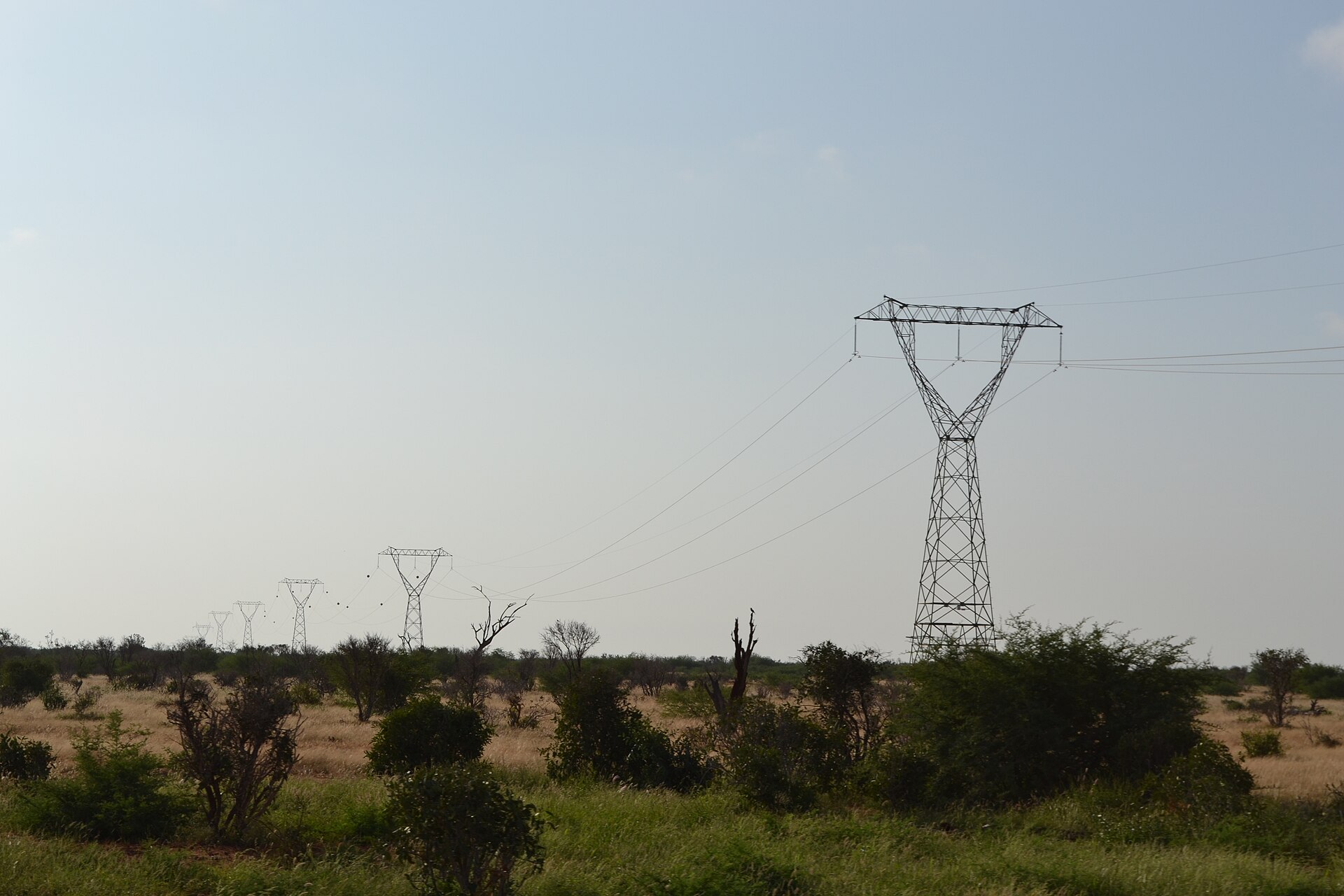
Kenya Power renewed its Ethiopian electricity contract in July on terms that doubled the volume and more than doubled the price. The company now pays about 15.5 US cents a unit, against 6.5 cents when the trade began.
The Line and the Contract
A high-voltage direct-current line runs 1,045 kilometres from Sodo in Ethiopia to Suswa in Kenya. It was completed in 2022 at a cost of about US$1.26 billion and can carry 2,000 megawatts.
Commercial imports started in November 2022 under a 25-year framework for 200 megawatts. The July agreement raises that to as much as 400 megawatts after an initial three-year period.
The new price is roughly 24 Ethiopian birr a unit, about 19.5 Kenyan shillings or 15.5 US cents. There is also a monthly demand charge of around US$6.52.
That is still well below the alternative. Kenyan thermal generation runs up to 23 cents a unit, and retail tariffs sit between 22 and 25 cents.
Even doubled, the contracted volume uses a fifth of the line’s capacity. The infrastructure was built for far more trade than either country currently does.
How Much Kenya Now Imports
Imports account for roughly 11 to 12 percent of Kenyan electricity supply, almost all of it Ethiopian. In the first quarter of 2026 they reached 494 million units against domestic generation of 3.45 billion.
That was a record for any first quarter and 26 percent above the same period of 2025. Imports have grown more than fivefold since the start of 2022.
Ethiopia supplied Kenya 1,274 million units in the first half of 2025. Uganda supplied 226 million and Tanzania 34 million over the same months.
Kenya has overtaken Sudan and Djibouti to become Ethiopia’s largest electricity customer. Kenya Power’s import bill has roughly tripled, to around eight billion shillings or about US$62 million.

A Caution About the Dam
It is widely assumed that this power comes from the Grand Ethiopian Renaissance Dam. Nobody has published anything to support that.
Ethiopia exports from its national grid rather than from a named power station, and that grid is overwhelmingly hydroelectric. The dam was inaugurated on 9 September 2025 and roughly doubled Ethiopian capacity.
Kenyan imports began almost three years before that. The accurate description is Ethiopian hydropower from a grid whose capacity has since doubled.
The Argument in Parliament
Kenyan members of parliament have challenged the energy regulator over the curtailment of domestic geothermal output while imports run. The regulator’s answer distinguishes between who sets policy and who dispatches power.
It says it does not direct curtailment. Those decisions are made at the national control centre by Kenya Power’s system operator.
The grounds given are cost, contracts, demand and transmission limits. That is a technical answer to a political question.
The regulator’s position is that Ethiopian power supplements Kenyan generation rather than replacing it. It says imports are drawn during peak hours, when solar and wind are unavailable.
There is a cost buried in that arrangement. Most independent producers hold contracts with capacity payments, so they continue to earn while curtailed.
Consumers pay for electricity that is not taken. That is the part of the argument that reaches household bills.
Geothermal Is Not Actually Shrinking
The framing of a fight between imports and geothermal does not survive the generation figures. Geothermal output rose 21 percent in the first quarter of 2026, to 1.66 billion units.
That is 48 percent of the Kenyan mix and accounted for essentially all the growth in domestic generation. Wind fell 14 percent and solar fell 8 percent over the same months.
Kenya Power’s own explanation is about peaks rather than totals. Without wind, the company says, the other sources together cannot serve peak demand.
The regulator makes a related point about installed capacity against available capacity. What can actually be deployed at a given moment fluctuates and is usually lower than what is installed.
Whether Any of This Lowers Bills
Kenya Power says the base tariff has been falling for two years. It sold a record 11,403 million units in the year to June 2025, up eight percent.
After-tax profit for that year was 24.47 billion shillings, about US$189 million. Unit sales grew 9 percent again in the following six months.
The deflationary case is not clean. The import price has risen from 6.5 to 15.5 cents and the import bill has tripled.
The regulator has also introduced fresh levies that raise consumer bills. Cheaper wholesale power does not automatically mean cheaper retail power.
The World Bank estimated Kenya saved about US$10 million in the first year of imports against thermal alternatives. That was at the old price.
The treasury plans 10,000 megawatts of new capacity over seven years, from renewables and nuclear. The aim is to reduce import dependence.
Until that arrives, a growing share of Kenyan electricity keeps arriving down one line from Ethiopia. Its price has already doubled once.
More: Africa coverage, every day from The Rio Times.
Frequently Asked Questions
How much of Kenya’s electricity comes from Ethiopia?
Around 11 to 12 percent of total supply, almost all of it Ethiopian. In the first quarter of 2026, imports reached 494 million units against domestic generation of 3.45 billion, a record for any first quarter and 26 percent above the same period a year earlier.
What does Kenya pay for it?
About 15.5 US cents a unit under the agreement finalised in July 2026, roughly 19.5 Kenyan shillings, plus a monthly demand charge of around US$6.52. When the trade began in 2022 the cited rate was 6.5 cents. It remains cheaper than Kenyan thermal generation, which runs up to 23 cents.
Does the power come from the Renaissance Dam?
Nobody has published evidence that it does. Ethiopia exports from its national grid rather than from a named station, and Kenyan imports began in November 2022, almost three years before the dam was inaugurated in September 2025. The accurate description is Ethiopian hydropower.
Is Kenyan geothermal being shut down to make room?
Not in aggregate. Geothermal output rose 21 percent in the first quarter of 2026 to 1.66 billion units, 48 percent of the mix, and accounted for essentially all the growth in domestic generation. Members of parliament have nonetheless challenged the curtailment of individual plants during hours when imports run.
Sources: Capital Ethiopia on the price in the renewed agreement, The Star on the renewed supply deal, African Business on why Kenya buys Ethiopian power, Parliament of Kenya on the dispatch and curtailment questions put to the regulator, Kenya Power on its results and record unit sales, Business Daily on record electricity imports
This article was produced by The Rio Times’ automated newsroom system. How we use AI · Report an error
Read More from The Rio Times