Kenya Moves to Ease Fears Over Tighter Cargo Controls
Kenya · EXPAT
Key Facts
- —The context Kenya’s Mombasa port is East Africa’s main sea gateway, also serving Uganda, Rwanda, Burundi, South Sudan and eastern DR Congo.
- —What happened Nuclear regulator chief James Keter met importers and traders in Nairobi on Sept. 24 to ease fears of cargo delays.
- —The disputed rule His agency plans to screen all cargo for radiation, at a proposed Sh1,000 (US$7.72) fee per container.
- —What importers fear Shippers fear delays and storage charges, since the port tariff allows only five free days.
- —What is still open It is unclear whether the meeting changed the screening start date, the fee or exemptions for transit cargo.
Kenya’s government has moved to calm importers’ fears that tighter cargo controls will slow trade at Mombasa, East Africa’s main sea gateway. The reassurance followed a Nairobi meeting with the head of the country’s nuclear regulator.
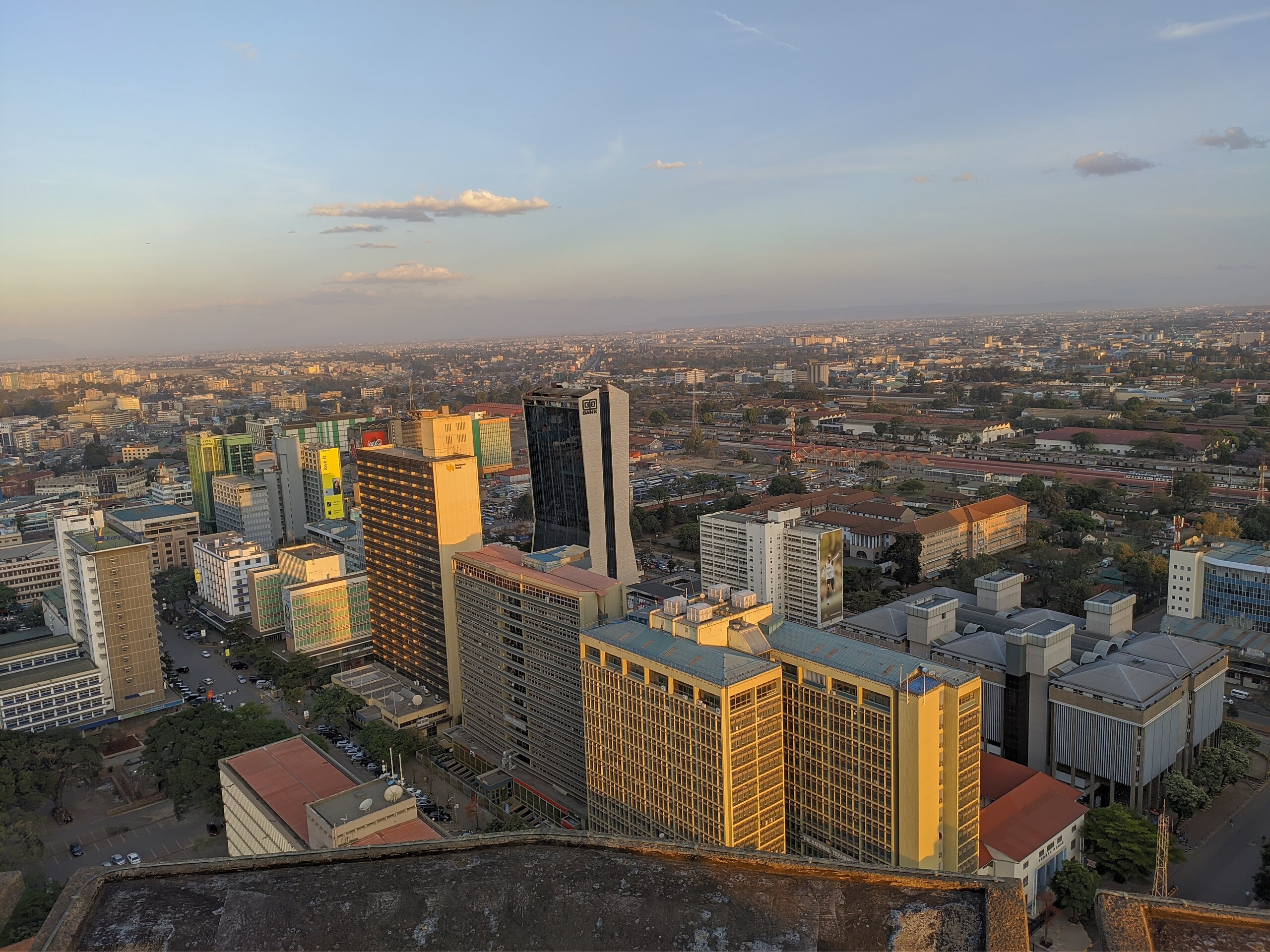
Kenya’s government has sought to allay fears that tighter import and export controls could stifle trade and delay cargo clearance. James Keter, director-general of the Kenya Nuclear Regulatory Authority (KNRA), met importers and traders in Nairobi on Thursday, Sept. 24.
What the government told traders about tighter cargo controls
The Standard, a Nairobi daily, reported that the government moved to ease concerns that the reforms would hurt trade and slow clearance. The KNRA is the state body that oversees radiation safety and nuclear security, including licences to import radioactive material.
Keter’s agency is behind a disputed new control: a plan to screen all cargo entering or leaving Kenya for radiation. Importers and shipping groups have challenged its timing, cost and scope since April.
It was not clear whether the Sept. 24 meeting changed the rule’s start date, fee or scope. For businesses moving goods through Kenya, those details matter well beyond the Kenyan market.
Why Mombasa is the region’s cargo nerve centre
Mombasa is the main sea gateway for Uganda, Rwanda, Burundi, South Sudan and eastern DR Congo. Transit cargo for these neighbours makes up about 30% of the port’s throughput, shippers say.
The port handles about 2.2 million containers a year, according to The Star, a Kenyan daily. Checking every one of them is the core worry for the Shippers Council of Eastern Africa (SCEA), which represents importers and exporters.
Traders are already on edge. A separate tax-authority rule requiring export declarations, enforced from Sept. 1, held up cargo at Mombasa, clearing agents said.
The China factor in Kenya’s logistics network
A 2025 study by the Africa Center for Strategic Studies, a US Defense Department research institute, mapped China’s role in African ports. It said Chinese state-owned firms are builders, financiers or operators at an estimated 78 ports across 32 African countries.
The study named Mombasa among seven ports whose design could suit future Chinese military use. Kenya’s Chinese-financed Standard Gauge Railway links the port to Nairobi and Naivasha.
That context helps explain why regulatory changes at Mombasa attract international attention. For investors and expat professionals, the port’s reliability is a signal about the wider business climate.
Read more about this dynamic in our pillar on Africa: The New Scramble.
What the radiation screening rule requires
In an April notice, the KNRA said all cargo entering or leaving Kenyan ports must be screened for nuclear and radioactive material. Containers are to pass through radiation monitors at Mombasa and at inland container depots.
The monitors detect gamma and neutron radiation without opening containers. Any legitimate radioactive shipment must carry a KNRA import licence and the correct tariff codes.
The rule was due to start on May 1, then was pushed back to July after shippers protested. In a July 14 note on a meeting with Keter, the SCEA said the rollout had been deferred for more preparation.
Who gains and who loses from the new oversight
The proposed screening fee is Sh1,000 (about US$7.72) per container, according to the SCEA and Kenyan press reports. The SCEA has asked for it to be cut to Sh200 (about US$1.54).
If every Mombasa container paid, the KNRA would collect over Sh2.2 billion (about US$17 million) a year, The Star calculated. Conversions use 129.5 shillings per US dollar (open.er-api.com, Sept. 25, 2026).
Time may matter more than money. The port tariff gives only five free days of storage, so screening delays could quickly mean extra charges.
Shippers want transit cargo and exports exempted, and screening targeted by risk rather than applied to every container. Smaller traders with thin margins usually feel such costs most.
What to watch next at Mombasa and beyond
The immediate test is whether the KNRA publishes a firm start date, a final fee and clear rules for transit cargo. Traders will also watch clearance times at Mombasa for any sign of new delays.
Longer term, the rules could shape Kenya’s position as East Africa’s logistics hub. SCEA chief executive Agayo Ogambi has warned that Mombasa could lose regional cargo if rival ports become more competitive.
For expats and investors, the story is about more than paperwork. It is about whether Kenya can pair tighter security checks with the speed that modern supply chains demand.
Frequently Asked Questions
What did Kenya’s government say about tighter cargo controls?
After a Nairobi meeting on Sept. 24, the government sought to allay fears that tighter controls would stifle trade or delay clearance. It was not clear whether any rule was changed.
Who met in Nairobi to discuss the cargo control concerns?
James Keter, director-general of the Kenya Nuclear Regulatory Authority, met importers and traders in Nairobi on Thursday, Sept. 24, 2026. His agency plans to screen all cargo entering or leaving Kenya for radiation.
Why does Mombasa matter beyond Kenya?
Mombasa is East Africa’s main sea gateway for Uganda, Rwanda, Burundi, South Sudan and eastern DR Congo. Transit cargo makes up about 30% of its throughput, so any disruption affects the wider region.
Connected Coverage
Sources
- The Standard: Report on the KNRA meeting with importers and traders (Sept. 2026)
- The Star: Importers, exporters want new radioactive rule deferred (May 2026)
- The Standard: Port players protest levy on nuclear screening (May 2026)
- Shippers Council of Eastern Africa: Structured engagement with KNRA (July 2026)
- Kenyans.co.ke: Nuclear authority directs screening of all imports and exports (April 2026)
- Kenya News Agency: Agents want export rule dropped as KRA clarifies legal basis (Sept. 2026)
- Africa Center for Strategic Studies: Mapping China’s strategic port development in Africa
- Africa Center for Strategic Studies: Chinese state-owned enterprises and market capture in Africa
This article was produced by The Rio Times’ automated newsroom system. How we use AI · Report an error
LatAm Markets: Live Signals → — real-time movers, turnover leaders and FX across Latin America.
Read More from The Rio Times