Kenya Cooking Gas Prices Set to Rise as Red Sea Attacks Hit Supply
Kenya · EXPAT
Key Facts
- —What happened Oil marketers in Kenya expect cooking gas to cost more in October after Saudi Aramco raised its propane and butane prices.
- —Where prices stand A 13kg cylinder sells in Nairobi for about KSh3,225 to KSh3,400 (about US$25 to US$26).
- —The trigger Houthi attacks on Yanbu, the Red Sea port Saudi Arabia uses to bypass the strained Strait of Hormuz.
- —The catch Kenya does not cap cooking gas prices, so every brand sets its own rate.
- —Who it hits Households and small restaurants in Nairobi that cook with imported gas instead of charcoal or kerosene.
- —What comes next Saudi Aramco’s October contract prices will steer what Kenyan dealers charge for a refill.
Kenya cooking gas prices are set to rise next month, oil industry executives say, after attacks on a Saudi export port squeezed supply.
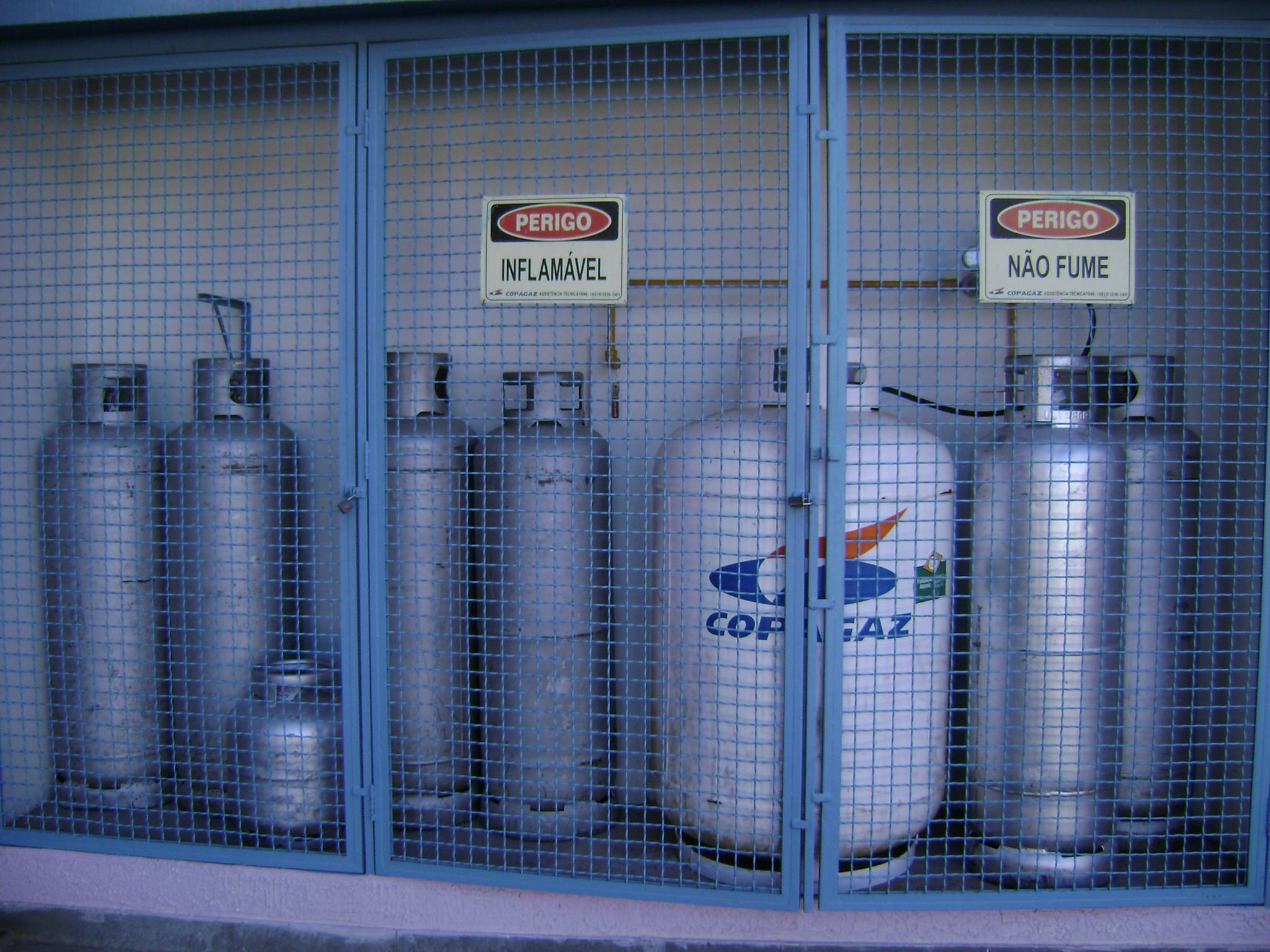
Kenya cooking gas prices are heading up again next month, oil marketers say, after Saudi Aramco raised its contract prices. A 13kg cylinder in Nairobi now sells for about KSh3,225 to KSh3,400 (about US$25 to US$26).
Where cylinder prices stand today
Rubis Energy sells a 13kg refill at KSh3,225 (about US$25), down from KSh3,530 (about US$27) in May. TotalEnergies Marketing charges KSh3,400 (about US$26), against KSh3,510 (about US$27) five months ago.
That works out at roughly KSh248 to KSh262 a kilogramme (about US$1.91 to US$2.02). Those figures use a rate of 129.72 to the US dollar, the August average applied by Kenya’s energy regulator.
Cylinder prices jumped by more than KSh390 (about US$3) in May, when the Middle East conflict first squeezed supply. They have eased since the conflict cooled, Business Daily reported.
Kenya covers its cooking gas needs with imports, so Gulf prices and shipping conditions reach households quickly. Brands reset their cylinder prices at different times, which widens the gap between dealers.
The Red Sea port behind the coming increase
Saudi Aramco raised its September contract price for propane to US$625 a tonne and butane to US$660. Both were up from US$620 and US$640 in August, the energy price agency OPIS reported.
LPG is made by blending propane and butane, so those contract prices set the floor for importers. Kenya buys most of its gas from Saudi Arabia and other Gulf producers.
Houthi fighters have attacked Yanbu, the Red Sea terminal Saudi Arabia leaned on after the Strait of Hormuz became nearly impassable. Exports from Yanbu to Asian markets fell to 71,200 tonnes in August from 302,600 tonnes in June.
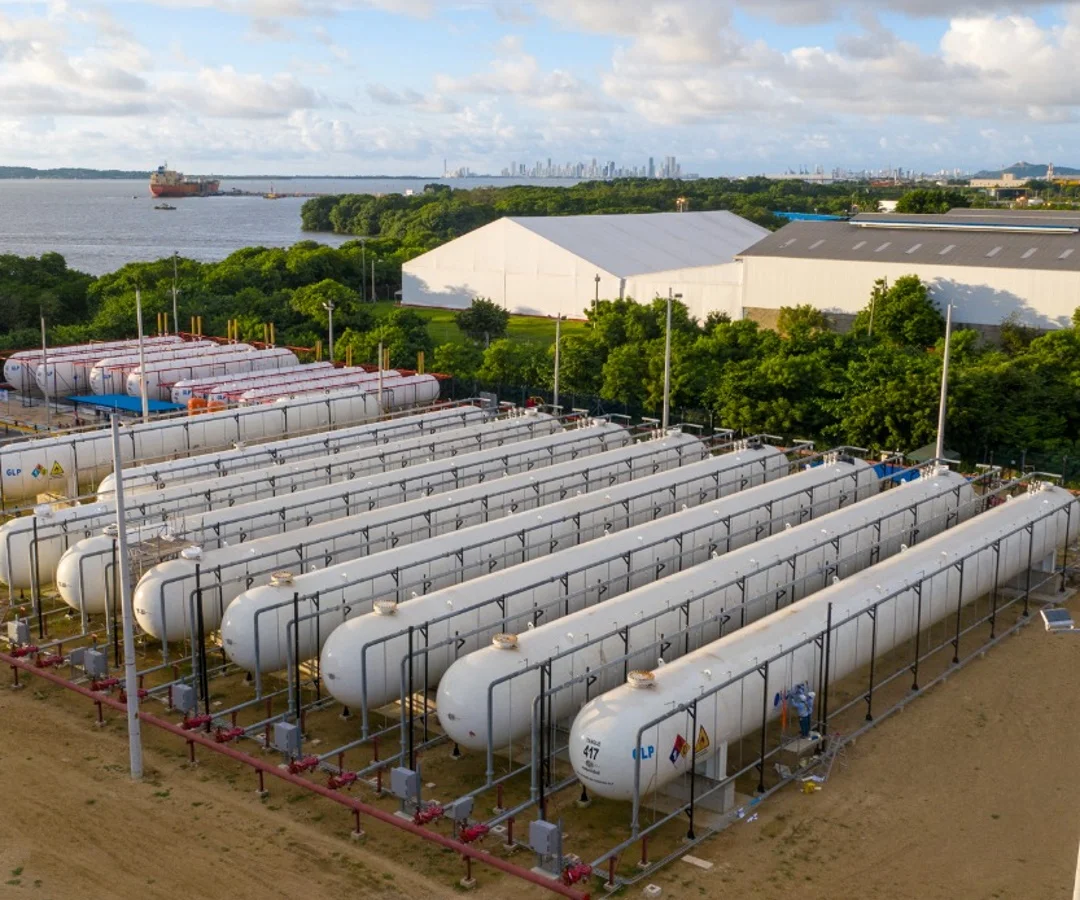
The Strait of Hormuz is the narrow sea lane between Iran and Oman that carries much of the Gulf’s energy exports. Its disruption pushed Saudi cargoes onto Red Sea routes that are now also under fire.
Traffic through the strait has fallen by about 95 percent, Al Jazeera reported in August. Tanker rates from the Gulf to Asia now carry a risk premium for transiting it, the analytics firm Kpler said.
Why Kenya has no price cap on cooking gas
The Energy and Petroleum Regulatory Authority, or EPRA, is Kenya’s state energy regulator. It caps the pump price of petrol, diesel and kerosene every month, but not cooking gas.
Cylinder prices are left to importers and brands, which is why one Nairobi dealer can charge KSh175 (about US$1.35) more than another. EPRA has been working on a pricing formula for gas, but no cap is in force.
Cooking gas is exempt from value added tax, the 3.5 percent import declaration fee and the 2 percent railway development levy. Those exemptions date from 2023.
Kenya separately cut value added tax on petrol, diesel and kerosene from 16 percent to 8 percent in April 2026. That cut does not touch cooking gas, which is already exempt.
The reduced 8 percent rate runs to mid-October 2026, when the government must decide whether to extend it. Energy and Petroleum Cabinet Secretary Opiyo Wandayi extended it once already, in July.
What the squeeze means for Nairobi households
Gas is a recurring household cost, not a one-off purchase, so every shilling on a refill repeats each month. For lower-income families, a sharp rise can mean a switch back to charcoal or kerosene.
Kenyan cooking gas demand has kept growing despite the price swings. Consumption in the six months to June 2026 ran ahead of the same period a year earlier.
Petrol, diesel and kerosene are also expected to cost more next month, according to industry executives quoted by Business Daily. EPRA held pump prices flat on 14 September 2026 for the cycle ending 14 October 2026.
Landed costs moved in different directions in the month to August, the regulator said. Diesel rose 11.86 percent and kerosene 9.71 percent, while super petrol fell 7.87 percent.
This fits a broader pattern covered in Africa: The New Scramble, where energy security and import dependence shape policy choices.
What to watch next for cylinder prices
“LPG prices should go up next month,” an executive at a leading oil marketer told Business Daily. The executive tied the rise to Saudi Aramco’s contract prices, which had climbed this month.
Saudi Aramco’s October contract prices are the number to watch, because Kenyan refill prices follow them with a lag. Dealers reset cylinder prices brand by brand rather than on a fixed date.
The wider question is whether the Red Sea routes reopen. Shipping and insurance costs stay high while Yanbu and the Strait of Hormuz remain disrupted.
Frequently Asked Questions
How much does cooking gas cost in Kenya now?
A 13kg cylinder sells in Nairobi for about KSh3,225 (about US$25) at Rubis Energy and KSh3,400 (about US$26) at TotalEnergies Marketing.
Why are cooking gas prices in Kenya set to rise?
Saudi Aramco raised its September contract prices for propane and butane after Houthi attacks cut exports from the Red Sea port of Yanbu.
Does Kenya control cooking gas prices?
No. EPRA caps petrol, diesel and kerosene each month, but cooking gas prices are set by importers and individual brands.
Connected Coverage
Sources
- businessdailyafrica.com
- nation.africa
- opis.com
- kpler.com
- citizen.digital
- the-star.co.ke
- parliament.go.ke
This article was produced by The Rio Times’ automated newsroom system. How we use AI · Report an error
LatAm Markets: Live Signals → — real-time movers, turnover leaders and FX across Latin America.
Read More from The Rio Times