Ivorian Cocoa Cards Record 38,000 Farmer Sales
CÔTE D’IVOIRE · COCOA
Key Facts
- —What happened Ivorian cocoa farmers began selling through a national traceability system when the main season opened on 1 September.
- —How many have used it 38,000 producers recorded transactions with their cards between 1 and 13 September, according to Reuters.
- —What the card does It records who sold, how much and where, replacing a cash sale that left no trace.
- —How many are enrolled About 1.1 million producers, of whom roughly 900,000 have received cards.
- —What farmers are paid 1,200 CFA francs a kilogramme, about US$2.11, set for the 2026/27 main crop.
- —Why now European Union rules requiring proof that cocoa did not come from deforested land apply from 1 January 2027.
Ivorian cocoa has always been bought in cash at the farm gate. This month it started leaving a record.
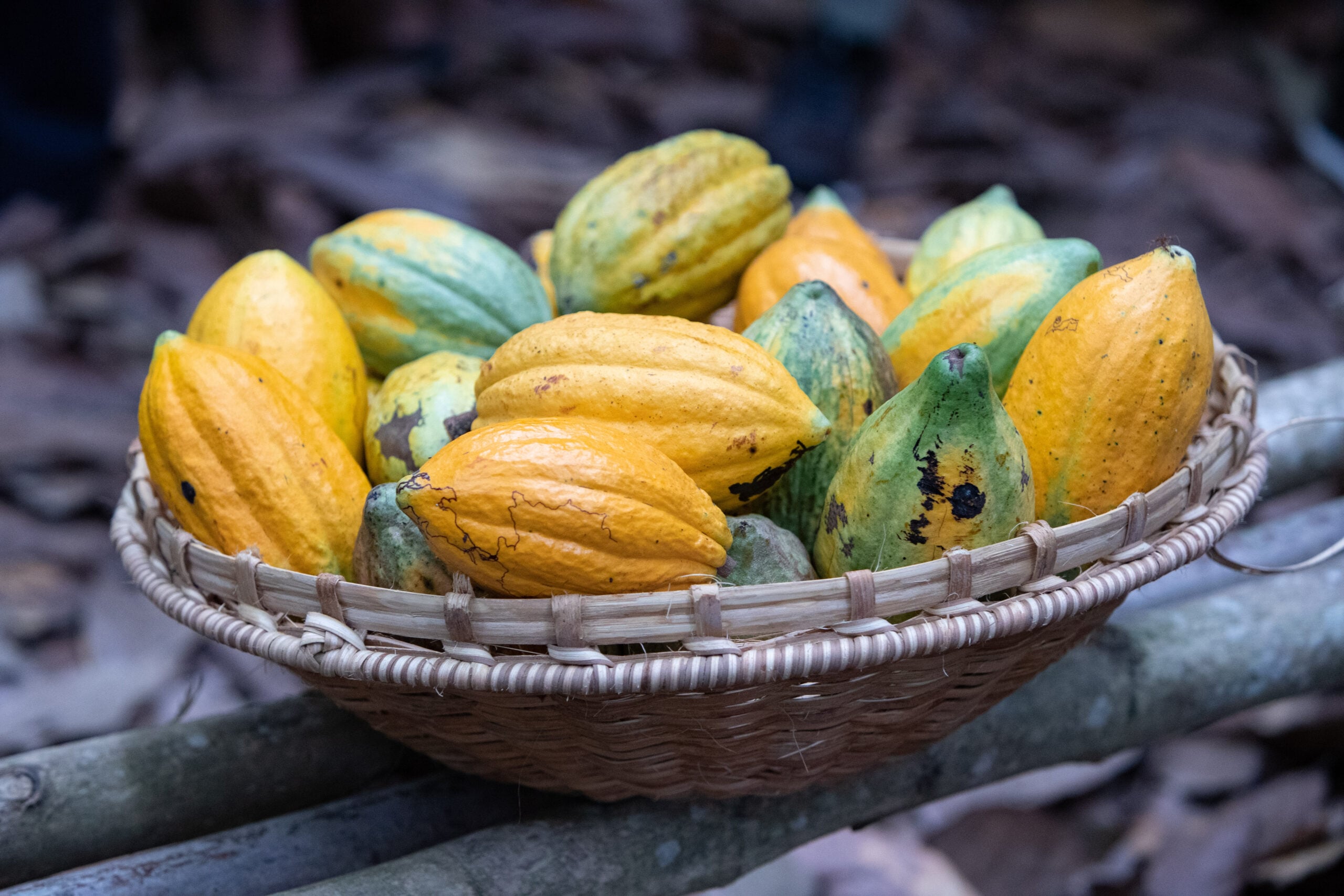
Some 38,000 Ivorian cocoa producers recorded sales using traceability cards between 1 and 13 September 2026, Reuters reported. The national traceability system became mandatory when the main season opened.
What the System Does
The Système national de traçabilité became mandatory on 1 September 2026, and a producer card is now required to sell.
Each transaction is recorded against the card: the seller, the volume and the point of sale.
Between 1 and 13 September, 38,000 producers recorded transactions this way.
Those are producers who actually sold, not simply producers enrolled.
The Numbers Behind It
About 26,000 tonnes were bought bord champ, at the farm gate, in that period.
Some 450 bills of lading covering more than 18,000 tonnes were validated for delivery to port.
Roughly 1.1 million producers are enrolled and about 900,000 cards have been distributed.
So 38,000 sellers is a small share of the enrolled base, in the first fortnight of a season that runs to March.
Who Says It Works
Koné Brahima Yves, director-general of the Conseil du Café-Cacao, said the system is still new but working very well.
That is the assessment of the body whose own system is being judged, two weeks in.
Reuters relayed the figures. Nobody has audited them.
The Conseil publishes the enrolment and card figures itself as well.

Why Europe Is Driving This
The European Union’s deforestation regulation requires importers to show that cocoa was not grown on land cleared after a cut-off date.
It applies to cocoa and coffee from 1 January 2027, after repeated delays.
Proving it means knowing which plot a bean came from, which means knowing who sold it.
Côte d’Ivoire supplies around 40% of the world’s cocoa, and Europe is its largest market.
What the Farmer Gets
The farmgate price for the 2026/27 main crop was set at 1,200 CFA francs a kilogramme, about US$2.11.
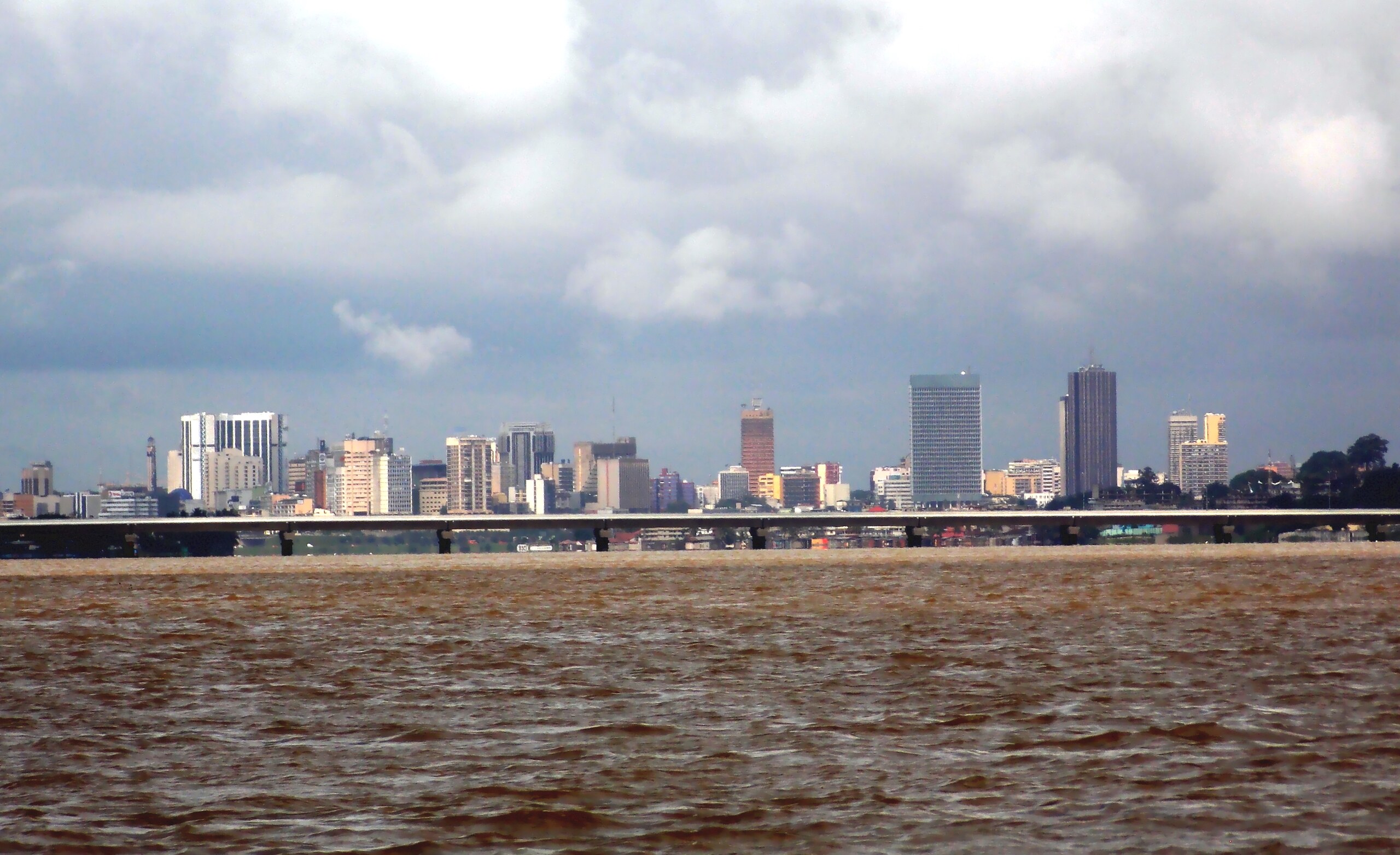
It was announced on 1 September at the tenth Journées Nationales du Cacao et du Chocolat in Abidjan.
Agriculture Minister Bruno Nabagné Koné announced it on behalf of Vice-President Tiémoko Meyliet Koné. Coffee was set at 1,300 CFA francs, roughly US$2.29.
The CFA franc is pegged to the euro, so the dollar value moves with the euro rather than with anything Ivorian.
The Price Fell Earlier, Not Now
The 2025/26 main crop paid 2,800 CFA francs a kilogramme, about US$4.92, a record.
The cut to 1,200 came with the 2026 mid-crop, which ran from March to August.
So 1,200 for the new main crop is a continuation of the mid-crop price, not a fresh reduction announced alongside the cards.
Measured year on year the fall is severe. Measured against the price farmers were actually receiving in August, nothing changed.
What the Cards Could Change
A recorded sale is harder to shave than a cash one, which is the argument for farmer income.
It also gives the Conseil data on who is producing what and where, which it has never had at this resolution.
Both of those are intentions rather than results. The system is a fortnight old.
Cocoa buying in Côte d’Ivoire has run through intermediaries for generations, and they are not going to disappear because a card exists.
What to Watch
The share of the 1.1 million enrolled producers actually selling by card as the season runs.
Whether bills of lading keep validating at pace, since that is where the system meets the export chain.
European Union implementation, which has been delayed before and could be again.
And the world cocoa price, which is what actually determines what an Ivorian farmer earns.
More: Africa news and analysis, every day from The Rio Times.
Frequently Asked Questions
How many producers used the cards?
38,000 recorded sales between 1 and 13 September 2026, according to Reuters. About 1.1 million are enrolled.
What does the traceability card do?
It records each sale against the producer, replacing an untraceable cash transaction. It became mandatory on 1 September 2026.
What is the farmgate price?
1,200 CFA francs a kilogramme for the 2026/27 main crop, about US$2.11. Coffee is 1,300 CFA francs, roughly US$2.29.
Did the price just fall?
Not with the cards. The cut from 2,800 CFA francs came with the 2026 mid-crop in March. The new main crop price continues it.
Why is the system being introduced?
European Union deforestation rules require proof of origin for cocoa from 1 January 2027.
Who runs it?
The Conseil du Café-Cacao, whose director-general is Koné Brahima Yves.
Sources: Reuters, Agence Ivoirienne de Presse, Conseil du Café-Cacao, Linfodrome, KOACI.
This article was produced by The Rio Times’ automated newsroom system. How we use AI · Report an error
Read More from The Rio Times