Inflation Concerns and Economic Recovery: Latin America’s Week Ahead
The week of October 21-24, 2024, brings key economic data releases across Latin America. Brazil and Mexico will report inflation figures, while Argentina and Colombia focus on economic activity and trade balance, respectively.
Brazil’s Inflation Outlook
Brazil’s mid-October consumer price index will be released on October 24. Economists expect a monthly increase of 0.50% and an annual rate of 4.43%.
Rising food prices and electricity tariffs are likely to drive this inflation. Analysts advise keeping an eye on core service inflation, which may accelerate in mid-October after a low September reading.
Mexico’s Economic Indicators
Mexico’s economic activity index for August will be published on October 22. A 0.8% year-on-year increase is anticipated.
However, seasonally adjusted figures may show a slight monthly decline after three consecutive months of growth. On October 23, analysts will release retail sales data for August, anticipating a 0.3% year-on-year decrease.
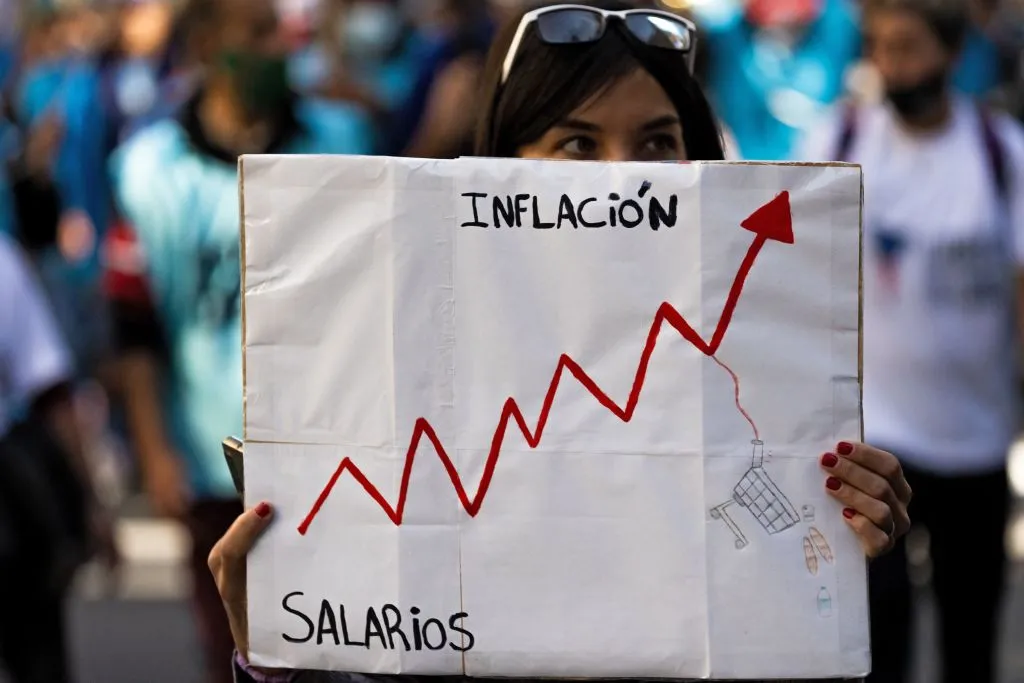
Vehicle sales have increased, but other sectors have seen declines. On October 24, officials will announce Mexico’s inflation rate for the first half of October.
Analysts predict a 4.68% annual rate, influenced by peso depreciation. Experts expect inflation to remain a challenge, though slight improvements may occur in the coming months.
Argentina’s Economic Activity
Argentina’s National Institute of Statistics and Censuses will release the Monthly Economic Activity Estimator for August on October 23. Economists forecast a 0.3% monthly increase, following July’s 1.7% growth.
This growth, however, does not fully offset the economic decline since President Javier Milei‘s shock economic policies were implemented. The economy remains 2% below its level before Milei took office in December.
Colombia’s Trade Balance
Colombia’s National Administrative Department of Statistics will publish August’s trade balance data on October 21. Analysts expect a deficit of $1.11 billion, larger than July’s $618 million deficit and last year’s $1.06 billion deficit.
Preliminary export figures indicate a decline to $3.85 billion in August from $4.62 billion in July. Oil and coal exports have been the main drags.
However, agriculture and manufactured goods may partially offset this decline. Imports fell to $4.95 billion in August, down from $5.25 billion in July. Consumer goods accounted for most of the decrease.
In short, these economic indicators will provide valuable insights into the region’s economic health and future trends.
More: Latin America news in English, every day from The Rio Times.
This article was produced by The Rio Times’ automated newsroom system. How we use AI · Report an error
Read More from The Rio Times