
Energy: Oil Markets
Key Facts
—Who. The International Energy Agency (IEA), the Paris-based body that coordinates emergency oil stocks for its member governments.
—What. Members back speeding up the release of the oil pledged in March 2026, diesel first. About 325 million barrels are already out and about 100 million are still to come.
—When. Meeting of member governments on Wednesday 7 October 2026.
—Market. Brent crude closed at US$100.20 a barrel and US WTI at US$88.28 on 7 October, both lower on the day.
—US link. The AAA motorist group put the US average for regular gasoline at US$4.37 a gallon and for diesel at US$6.30 on 7 October.
—Prediction markets. Kalshi traders give 85% to Brent closing above US$95.99 on 9 October (7 October, 7:50 pm ET).
—As of. 7 October 2026, 23:55 GMT.
Governments that belong to the International Energy Agency agreed on Wednesday 7 October 2026 to speed up the release of oil from their emergency stocks. Diesel goes first, and about 100 million barrels of earlier pledges are still to be delivered.
What We Know
The agency’s Executive Director, Fatih Birol, issued a statement after the meeting of member governments. The governments said they support speeding up the releases agreed under the collective action of March 2026 and finishing them as quickly as possible.
They also back releasing diesel first where they can, because the diesel market is tight. The statement links the meeting to the Hormuz crisis and welcomes the latest G7 leaders’ statement on energy security.
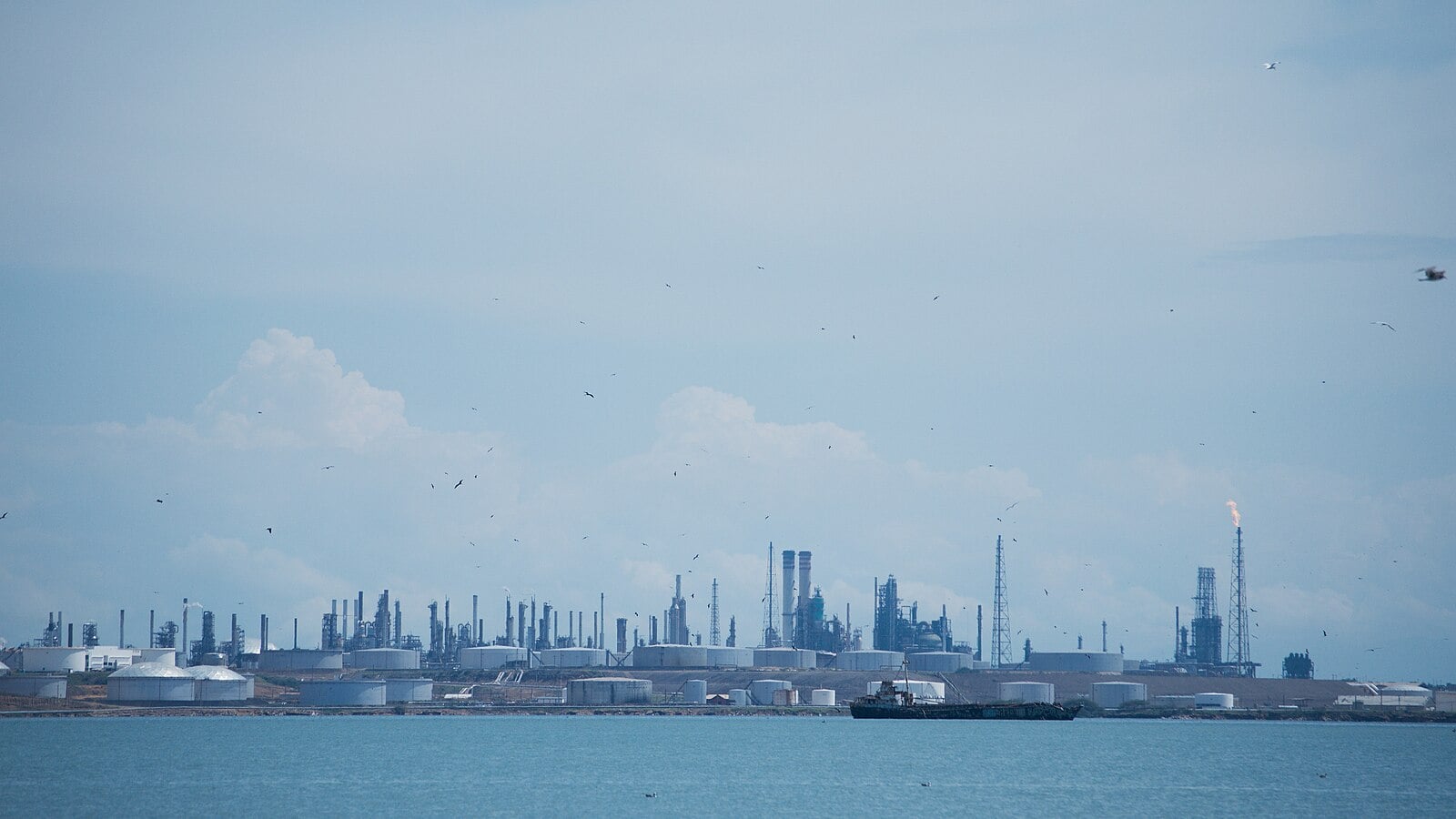
About 325 million barrels have been released so far, and some countries have released more than they pledged. The pledges not yet delivered add up to about 100 million barrels.
Governments still hold about 1.1 billion barrels of public emergency stocks, including more than 200 million barrels of diesel. The agency says it is ready to release more if that is needed.
Why Diesel Comes First
Diesel moves trucks, trains, farm machinery and ships, so a shortage raises the cost of almost everything that is delivered. In the United States, AAA recorded a record average diesel price of US$6.53 a gallon on 22 September.
The average was US$6.30 a gallon on 7 October, still far above regular gasoline at US$4.37. Releasing diesel stocks first targets the fuel where the pain is sharpest.
Live Market IntelligenceCommodities — Live Market Board
Rio Times · Live Market Intelligence
Commodities — Live Market Board
-0.03%
| Instrument | Last | Change | YoY | Prev. | High | Low | Volume |
|---|---|---|---|---|---|---|---|
| GOLD | 4,461 | +1.78% | +33.20% | 4,383 | 4,503 | 4,421 | 139,824 |
| SILVER | 65.59 | +1.26% | +73.05% | 64.77 | 66.98 | 64.81 | 46,406 |
| BRENT | 88.88 | -0.03% | +34.42% | 88.91 | 90.07 | 88.12 | 29,713 |
| WTI | 83.11 | -0.11% | +31.57% | 83.20 | 84.35 | 82.40 | 166,848 |
| COPPER | 6.61 | +0.03% | +46.70% | 6.61 | 6.71 | 6.61 | 39,543 |
| LITHIUM | 75.20 | +1.47% | +62.95% | 74.11 | 75.80 | 75.08 | 89,275 |
| IRON ORE | 161.91 | — | +58.10% | 161.91 | 161.91 | 1 | |
| SOY | 1,184 | +3.20% | +17.05% | 1,148 | 1,199 | 1,168 | 163,179 |
| CORN | 480.50 | +10.02% | +29.34% | 436.75 | 480.75 | 459.50 | 341,248 |
| WHEAT | 655.00 | +3.93% | +29.70% | 630.25 | 657.75 | 631.50 | 128,793 |
| COFFEE | 317.25 | -5.51% | +0.67% | 335.75 | 321.20 | 313.55 | 21,747 |
| SUGAR | 16.43 | -1.79% | -3.01% | 16.73 | 17.11 | 16.22 | 171,992 |
| COCOA | 5,719 | +3.18% | -34.96% | 5,543 | 5,779 | 5,574 | 26,773 |
| ORANGE JUICE | 138.55 | -0.47% | -45.38% | 139.20 | 141.05 | 137.50 | 703 |
| COTTON | 85.03 | +2.33% | +26.78% | 83.09 | 82.90 | 81.96 | 16,546 |
| BEEF | 223.60 | -3.93% | -5.18% | 232.75 | 226.40 | 223.00 | 16,126 |
| CATTLE | 339.10 | -3.16% | -1.82% | 350.17 | 345.50 | 338.60 | 10,164 |
| USD/BRL | 5.16 | +0.01% | -5.13% | 5.16 | 5.18 | 5.14 | — |
How Oil Prices Reacted
Brent settled at US$100.20 a barrel on Wednesday, down US$0.38, and WTI settled at US$88.28, down US$1.16 or 1.3%. On Monday 5 October, Brent had settled at US$100.32 and WTI at US$89.43.
Brent was still above US$100 after the fall, so the market has not priced in an end to the squeeze. European diesel margins rose more than 10% on the day, according to the Euronext market report.
What Prediction Markets Say
Kalshi, Brent above US$95.99 on 9 October (5 pm ET): 85%, with 83,159 contracts traded.
Kalshi, Brent above US$90.99 on 30 October (5 pm ET): 76%, with 62,720 contracts traded.
Prices are bets, not polls. Prices as of Wednesday 7 October 2026, 7:50 pm ET. Kalshi is regulated in the US by the CFTC.
Why we show this: prediction markets turn real-money bets into a live probability that moves within minutes of the news, which is why investors, campaigns and newsrooms in the United States now follow them closely. We show them next to polls and official results, never instead of them.
What Is Not Known
The statement does not say how the 100 million barrels relate to the 100 million barrels announced by the G7 on Friday 2 October. We cannot say whether the two amounts overlap or add up.
It also gives no delivery dates for each country’s release. The agency has not said how much extra oil it would put on the market if it decided to go further.
What It Means for US Readers and Investors
For drivers, the release is meant to cap pump prices rather than cut them quickly, because the oil still has to be delivered and refined. With gasoline at US$4.37 a gallon, any relief at the pump is likely to be small and slow.
For investors, the signal is that governments will use their stocks to calm diesel first, which matters for trucking, airlines and farm costs. The next data points are the OPEC Monthly Report on Tuesday 13 October and the weekly US inventory figures.
Earlier this month we reported on the G7 decision to free 100 million barrels and on the IEA’s count of 325 million barrels released since March. Latin American fuel importers feel the same diesel squeeze, which we follow in our Bolivia fuel coverage.
More: Latin America news in English, every day from The Rio Times.
Frequently Asked Questions
What did the IEA decide on 7 October 2026?
Member governments back speeding up the release of the emergency oil stocks agreed in March 2026, with diesel first. About 325 million barrels are already out and about 100 million are still to come.
Why is diesel the priority?
The agency says the diesel market is tight. Diesel powers trucks, trains and farm machinery, and the US average was US$6.30 a gallon on 7 October according to AAA.
How did oil prices react?
Brent closed at US$100.20 a barrel and WTI at US$88.28 on 7 October, down US$0.38 and US$1.16. Brent had closed at US$100.32 on 5 October.
How much emergency oil is left?
Governments hold about 1.1 billion barrels of public emergency stocks, including more than 200 million barrels of diesel, according to the IEA statement. The agency says it is ready to release more if needed.
Connected Coverage
This article was produced by The Rio Times’ automated newsroom system. How we use AI · Report an error · Editorial responsibility: Matthias Camenzind, Editor-in-Chief