South Africa’s Gold Fields Rebuffed in US$27 Billion Australian Gold Bid
South Africa · MINING
Key Facts
- —The country South Africa has about 65 million people and an economy of roughly US$430 billion, a little smaller than Denmark’s. Gold built Johannesburg, where Gold Fields was founded in 1887.
- —Why it matters Gold Fields is one of South Africa’s largest listed miners. Most of its gold now comes from mines in Australia, Ghana, Peru and Chile rather than from South Africa.
- —Why now Gold Fields approached Northern Star, Australia’s biggest gold miner, on 14 September. Northern Star rejected the approach publicly on Monday 28 September, calling its timing “highly opportunistic”.
- —What happened Gold Fields offered 0.3125 shares plus A$7.25 (about US$5.09) per Northern Star share: A$38.7 billion (about US$27.2 billion) in total.
- —The numbers About 73% of the price was in Gold Fields shares. After those shares fell, the offer was worth A$25.19 (about US$17.68) per share by 25 September.
- —What it means for you Gold Fields shares fell more than 10% in Johannesburg on 28 September. Investors in either company face months of uncertainty over a possible higher or revised offer.
- —Still open Gold Fields says it remains open to talks. It has not said whether it will raise its offer, appeal directly to shareholders or walk away.
Australia’s biggest gold miner has rejected a US$27 billion approach from South Africa’s Gold Fields, calling it “highly opportunistic”.
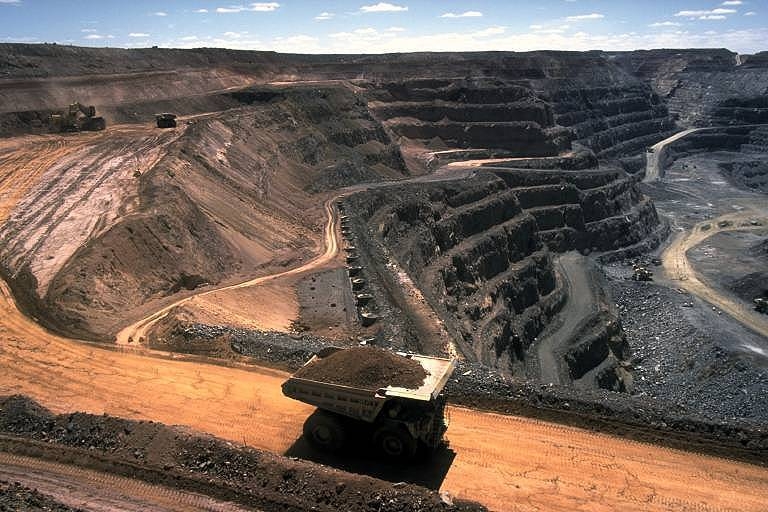
The Gold Fields bid for Northern Star Resources has hit a wall. Gold Fields is South African; Northern Star is Australia’s biggest gold producer and owns the Super Pit at Kalgoorlie.
Northern Star’s board unanimously rejected the unsolicited, non-binding proposal on Monday 28 September. It said the offer undervalued the company and would expose its shareholders to greater “jurisdictional and operational risk”.
What Gold Fields offered
Gold Fields made its approach on 14 September. It offered 0.3125 new Gold Fields shares plus A$7.25 (about US$5.09) in cash for each Northern Star share.
At 11 September prices, that valued Northern Star at A$38.7 billion (about US$27.2 billion), or A$27 (about US$18.95) a share. Conversions use A$1.425 to the US dollar, the open.er-api.com rate on 29 September 2026.
About 73% of the price was to be paid in Gold Fields shares. As those shares fell, the value of the offer dropped to A$25.19 (about US$17.68) a share by 25 September.
News of the approach first appeared in a Bloomberg News report on Saturday 26 September. Northern Star confirmed it two days later and said it had told Gold Fields it would not engage further.
Why Northern Star said no
Chairman Michael Chaney said the Gold Fields bid sought “one of the world’s premier gold portfolios” for far too little. He added that the approach came “at a highly opportunistic time”.
Northern Star has had a difficult year, including a cut to its production guidance earlier this year. Its shares were therefore weaker than usual when Gold Fields made its move.
The board also objected to being paid mostly in Gold Fields stock. It stressed that its own long-life mines sit in low-risk locations, mainly Western Australia and Alaska.
Swapping into Gold Fields shares would add exposure to South Africa, Ghana, Peru and Chile. Northern Star said that would raise the jurisdictional and operational risk its investors carry.
What a deal would create
Gold Fields says the combined group would be the world’s second-largest gold producer, behind the US company Newmont. It puts combined output at about 4.1 million ounces a year.
Gold Fields also points to several billion dollars in possible savings and asset sales. It has said it would seek a secondary share listing on the Australian stock exchange so local investors could hold its shares.
Northern Star shareholders would own about a third of the enlarged company. Most of its output would come from Australia, North America and Chile.
The South African angle
Gold Fields remains one of the best-known names on the Johannesburg Stock Exchange. It also trades in New York, and its shares fell more than 10% in Johannesburg after the Gold Fields bid was rejected.
The episode shows a familiar problem for South African companies that pay for deals with their own shares. Target boards often discount that stock because of perceived country risk.
That matters for deal-making across Southern Africa, where mining still drives exports and jobs. For wider context on the race for African resources, see Africa: The New Scramble.
Pressure from an activist investor
Northern Star was already under pressure before Gold Fields arrived. Elliott Investment Management, a US activist fund that holds a minority stake, pushed it in June to consider a sale.
Elliott has since won two seats on Northern Star’s board, including one for former Anglo American chief executive Mark Cutifani. That gives Gold Fields an audience inside the target’s own boardroom.
What Gold Fields does next
Chief executive Mike Fraser said Gold Fields was disappointed but would “remain open to constructive dialogue”. He said the proposal still offered strong benefits to both sets of shareholders.
Gold Fields has not said whether it will raise the cash part, change the share mix or walk away. Any new offer would need to close the valuation gap and ease concerns about being paid in South African stock.
Northern Star says it will focus on expanding the mill at its Kalgoorlie operations. The next weeks will show whether Gold Fields returns with more money or looks for another target.
Frequently Asked Questions
How much was the Gold Fields takeover offer worth?
The proposal valued Northern Star at A$38.7 billion, or about US$27.2 billion, based on 11 September prices. By 25 September its value had fallen to A$25.19 a share as Gold Fields shares dropped.
Why did Northern Star reject the Gold Fields approach?
Northern Star said the offer undervalued the company and came at an opportunistic time. It also said being paid mostly in Gold Fields shares would expose its investors to greater jurisdictional and operational risk.
What would the combined company have looked like?
Gold Fields says the group would be the world’s second-largest gold producer after Newmont. It would produce about 4.1 million ounces a year, mostly from Australia, North America and Chile.
Connected Coverage
Sources
- northernminer.com
- mining.com
- finance.yahoo.com
- reuters.com
- reuters.com
- data.worldbank.org
- open.er-api.com
This article was produced by The Rio Times’ automated newsroom system. How we use AI · Report an error
LatAm Markets: Live Signals → — real-time movers, turnover leaders and FX across Latin America.
Read More from The Rio Times