Gol Secures US$160 Million Facility to Fund Engine Maintenance

Brazil · Business
Key Facts
- —The facility Gol secured a US$160 million line, about R$864 million, to fund engine maintenance.
- —The backing A Brazilian government guarantee through ABGF underpins the financing structure.
- —The use Funds pay for overhaul work on eligible engines at GE Celma in Brazil.
- —The timing The airline disclosed the facility on Wednesday, 12 August 2026.
- —The context Gol left U.S. Chapter 11 with about US$1.9 billion in exit financing.
Fresh out of a U.S. bankruptcy, the airline is buying itself time in the one place it cannot cut corners. Keeping its engines serviced, and paid for, is now a balance-sheet question as much as a technical one.
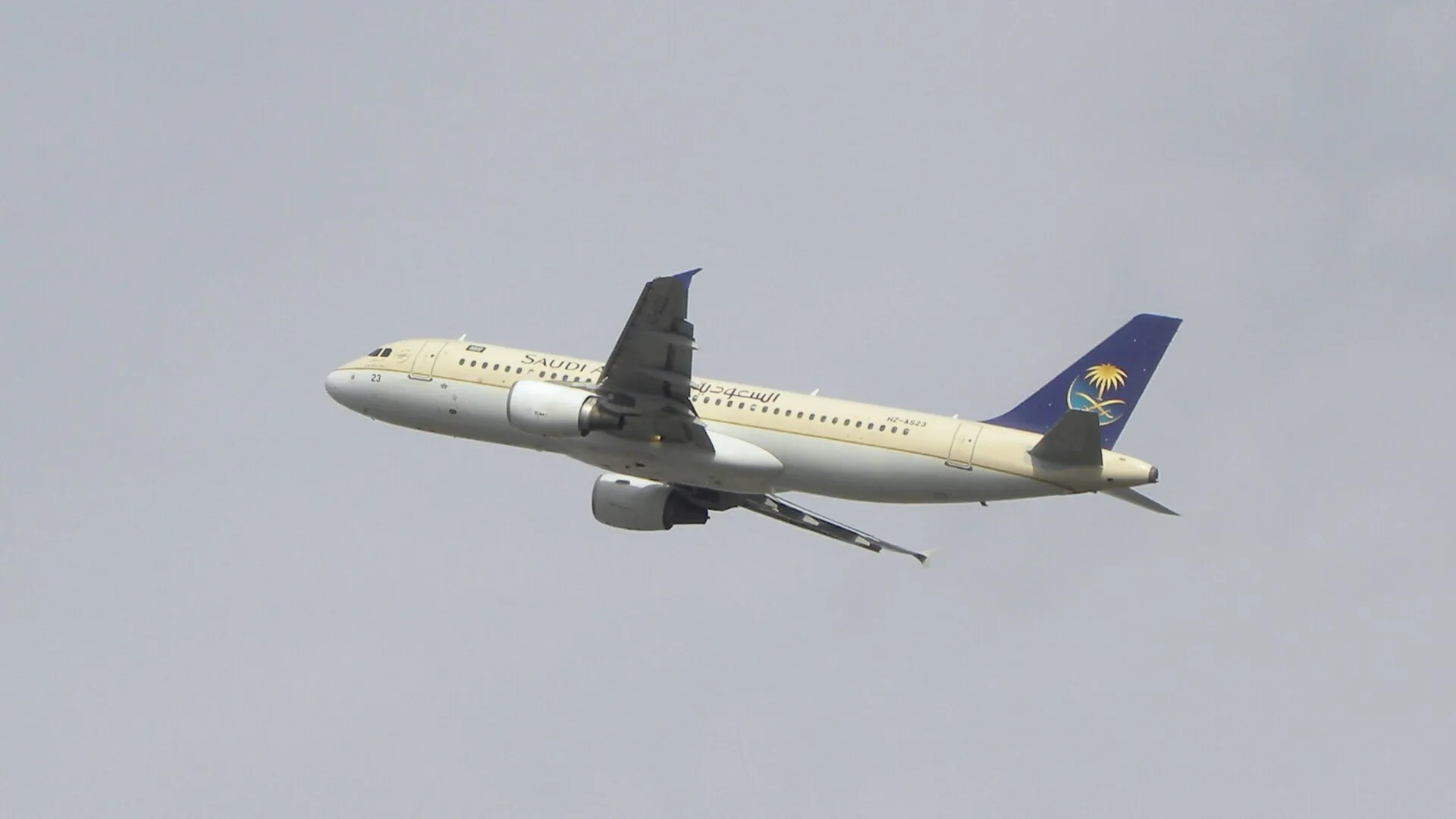
Gol Linhas Aereas has secured a US$160 million financing facility, about R$864 million, to pay for engine maintenance. The Brazilian low-cost carrier lined up the money with a government guarantee, months after leaving U.S. bankruptcy protection.
What Gol secured
Gol has arranged a US$160 million facility, about R$864 million, dedicated to engine maintenance. The airline disclosed the financing on Wednesday, 12 August 2026.
The line is not a plain bank loan but a structured credit arrangement. It draws on a guarantee from ABGF, a Brazilian government fund manager.
The money is earmarked for a single, specific purpose rather than general spending. Every dollar is tied to keeping the carrier’s engines serviced and flying.
Where the money goes
The funds pay for overhaul work on eligible engines at GE Celma. That facility, in Rio de Janeiro state, is one of the region’s main engine shops.
Engine shop visits are among the costliest events in an airline’s calendar. A single overhaul can run into millions of dollars per engine.
By ring-fencing the cash, Gol makes sure the work gets done on schedule. Deferred maintenance is not an option when dispatch reliability is at stake.
Why engine financing matters for Gol
For an airline rebuilding its balance sheet, the timing of cash matters as much as its size. Engine overhauls arrive in lumps, straining liquidity when they land.
Spreading that cost over a dedicated facility smooths the outflow. It frees working capital for fuel, salaries and lease payments.
The structure also lets Gol keep aircraft in service rather than grounded. An engine off the wing earns nothing while it waits for parts or cash.
The role of the government guarantee
The facility leans on a guarantee from ABGF, the agency that manages Brazil’s guarantee funds. That backing lowers the risk for whoever provides the cash.
A government guarantee typically means cheaper financing than an airline could arrange alone. For a company fresh from bankruptcy, that difference is meaningful.
Part of the facility also covers the cost of the ABGF guarantee itself. The structure bundles the maintenance payments and the guarantee fees together.
Life after Chapter 11
Gol filed for U.S. Chapter 11 protection in January 2024 and worked through a restructuring. It emerged with about US$1.9 billion, roughly R$10.3 billion, in exit financing.
The carrier left the process with close to US$900 million, about R$4.9 billion, in liquidity. That cushion gave it room to restart investment.
The exit package drew on anchor investors, an ad hoc creditor group and a rights offering. The airline framed the deal as a clean break from its debt overhang.
A fleet built on the 737
Gol flies an all-Boeing fleet, which simplifies training, spares and maintenance. At the end of the fourth quarter of 2025 it operated 146 Boeing 737s.
The mix spanned 12 older 737-700s, 66 737-800s and 59 737-8 MAX jets. The newer MAX aircraft burn less fuel and need different engine care.
A single-type fleet concentrates engine work on a handful of variants. That focus is exactly what a dedicated maintenance facility is built to serve.
The Abra Group parent
Gol sits under Abra Group, the holding company formed in May 2022. Abra also controls Colombia’s Avianca, creating a large Latin American aviation group.
The parent structure gives Gol access to a wider pool of scale and expertise. Shared purchasing can strengthen the hand of each airline.
Abra’s backing was part of the story through Gol’s restructuring. A larger group offers more options when a single carrier needs support.
The liquidity picture
Gol reported total liquidity of R$5.5 billion at the end of 2025. That included R$3.0 billion in cash and R$2.5 billion in card receivables.
A dedicated maintenance line protects that cash from a single large bill. It keeps the reported liquidity from swinging on one engine overhaul.
For investors, steadier cash flows make the recovery easier to read. Predictable spending is worth as much as a strong headline number.
Not the first engine deal
The US$160 million line is not Gol’s first move to finance engine work. The airline earlier secured capacity of up to US$209 million, about R$1.13 billion, for engine maintenance.
That earlier structure, backed by an export guarantee, covered CFM56-7B engines. It was a separate and larger arrangement from the newly disclosed facility.
The pattern shows a carrier treating engine upkeep as a standing funding need. Each deal locks in cash for a cost that never really stops.
What comes next
The facility buys Gol certainty on one of its largest recurring costs. It signals that lenders and the state are willing to back the airline’s recovery.
The next test is whether steady maintenance translates into reliable flying. On-time departures depend on engines that are ready when the schedule demands.
For now, Gol has secured the cash to keep its 737s in the air. Turning that stability into lasting profit is the harder task ahead.
More: Brazil news in English, every day from The Rio Times.
Frequently Asked Questions
How much did Gol secure for engine maintenance?
Gol secured a US$160 million facility, about R$864 million, to fund engine maintenance, disclosed on 12 August 2026.
How is the Gol facility structured?
It is a credit line backed by a guarantee from ABGF, a Brazilian government fund manager, rather than a plain bank loan.
What will the money be used for?
The funds pay for overhaul work on eligible engines at GE Celma in Brazil, plus the cost of the government guarantee.
When did Gol leave Chapter 11?
Gol emerged from U.S. Chapter 11 with about US$1.9 billion in exit financing and close to US$900 million in liquidity.
Sources: Valor Economico, StockTitan, ch-aviation and company disclosures, reported 12 August 2026. Dollar values converted at R$5.16 to US$1, the central bank PTAX close for 12 August 2026.
This article was drafted with automated assistance and reviewed before publication. How we use AI · Report an error · Editorial responsibility: Matthias Camenzind, Editor-in-Chief
LatAm Markets: Live Signals → — real-time movers, turnover leaders and FX across Latin America.