IBOV 205,336.15 ▼ 0.24% IPSA 11,008.02 ▼ 1.40% IPC MEX 65,312.46 ▲ 0.52% MERVAL 2,830,087 ▼ 2.31% COLCAP 2,565.97 ▼ 0.89% BVL PERÚ 60,766.81 ▼ 0.51% USD/BRL4.99▲ 0.16% USD/MXN18.01▲ 0.14% USD/CLP978.24▲ 0.56% USD/COP3,236▲ 0.87% USD/PEN3.44▼ 0.18% USD/ARS1,521▲ 0.02% USD/UYU40.09▲ 2.39% USD/PYG5,835▲ 3.05% USD/BOB11.87▲ 2.15% USD/DOP60.85▲ 4.66% USD/CRC453.46▲ 2.32% USD/GTQ7.64▲ 3.39% USD/HNL26.86▲ 0.86% USD/NIO36.62▲ 0.26% USD/VES871.68▼ 0.13% USD/PAB1.00— 0.00% USD/BZD2.00— 0.00% USD/JMD 157.28 — 0.00% USD/TTD6.70▲ 2.23% EUR/BRL5.59▼ 0.27% BRENT 88.88 ▼ 0.03% WTI 83.11 ▼ 0.11% IRON ORE 161.91 — — COPPER 6.61 ▲ 0.03% GOLD 4,461 ▲ 1.78% SILVER 65.59 ▲ 1.26% SOY 1,184 ▲ 3.20% CORN 480.50 ▲ 10.02% WHEAT 655.00 ▲ 3.93% COFFEE 317.25 ▼ 5.51% SUGAR 16.43 ▼ 1.79% ORANGE JUICE 138.55 ▼ 0.47% COTTON 85.03 ▲ 2.33% COCOA 5,719 ▲ 3.18% BEEF 223.60 ▼ 3.93% CATTLE 339.10 ▼ 3.16% LITHIUM 75.20 ▲ 1.47% PETR4 41.64 ▼ 0.05% VALE3 72.97 ▲ 0.83% ITUB4 38.60 ▼ 1.03% BBDC4 16.85 ▲ 0.36% ABEV3 14.89 ▼ 0.80% BBAS3 19.37 ▲ 0.47% B3SA3 14.26 ▼ 0.21% WEGE3 47.59 ▲ 0.49% PRIO3 59.14 ▼ 0.19% SUZB3 41.33 ▲ 2.35% RENT3 34.68 ▼ 0.09% AZZA3 15.89 ▼ 2.63% CSAN3 3.22 ▼ 1.83% RAIZ4 0.25 — 0.00% PCAR3 2.75 ▼ 0.36% GMAT3 3.65 ▼ 1.08% PSSA3 48.13 ▼ 0.54% CVCB3 1.33 ▼ 2.92% POSI3 3.36 ▲ 2.44% SLCE3 13.34 ▲ 0.30% NATU3 8.14 ▼ 0.73% IBOV 205,336.15 ▼ 0.24% IPSA 11,008.02 ▼ 1.40% IPC MEX 65,312.46 ▲ 0.52% MERVAL 2,830,087 ▼ 2.31% COLCAP 2,565.97 ▼ 0.89% BVL PERÚ 60,766.81 ▼ 0.51% USD/BRL 5.16 ▲ 0.01% USD/MXN 17.06 ▼ 0.24% USD/CLP 913.98 ▲ 0.04% USD/COP 3,140 ▲ 0.03% USD/PEN 3.36 ▼ 0.66% USD/ARS 1,493 ▲ 0.10% USD/UYU 40.27 ▲ 1.24% USD/PYG 5,939 ▲ 1.68% USD/BOB 11.64 ▼ 0.76% USD/DOP 58.34 ▲ 1.25% USD/CRC 445.92 ▲ 0.89% USD/GTQ 7.62 ▲ 2.21% USD/HNL 26.79 ▲ 1.57% USD/NIO 36.62 ▲ 0.69% USD/VES 762.44 ▼ 0.13% USD/PAB 1.00 — 0.00% USD/BZD 2.00 — 0.00% USD/JMD 157.28 — 0.00% USD/TTD 6.70 ▲ 0.61% EUR/BRL 5.95 ▲ 1.01% BRENT 88.88 ▼ 0.03% WTI 83.11 ▼ 0.11% IRON ORE 161.91 — — COPPER 6.61 ▲ 0.03% GOLD 4,461 ▲ 1.78% SILVER 65.59 ▲ 1.26% SOY 1,184 ▲ 3.20% CORN 480.50 ▲ 10.02% WHEAT 655.00 ▲ 3.93% COFFEE 317.25 ▼ 5.51% SUGAR 16.43 ▼ 1.79% ORANGE JUICE 138.55 ▼ 0.47% COTTON 85.03 ▲ 2.33% COCOA 5,719 ▲ 3.18% BEEF 223.60 ▼ 3.93% CATTLE 339.10 ▼ 3.16% LITHIUM 75.20 ▲ 1.47% PETR4 41.64 ▼ 0.05% VALE3 72.97 ▲ 0.83% ITUB4 38.60 ▼ 1.03% BBDC4 16.85 ▲ 0.36% ABEV3 14.89 ▼ 0.80% BBAS3 19.37 ▲ 0.47% B3SA3 14.26 ▼ 0.21% WEGE3 47.59 ▲ 0.49% PRIO3 59.14 ▼ 0.19% SUZB3 41.33 ▲ 2.35% RENT3 34.68 ▼ 0.09% AZZA3 15.89 ▼ 2.63% CSAN3 3.22 ▼ 1.83% RAIZ4 0.25 — 0.00% PCAR3 2.75 ▼ 0.36% GMAT3 3.65 ▼ 1.08% PSSA3 48.13 ▼ 0.54% CVCB3 1.33 ▼ 2.92% POSI3 3.36 ▲ 2.44% SLCE3 13.34 ▲ 0.30% NATU3 8.14 ▼ 0.73%
since 2009
Wednesday, October 7, 2026

Market Reports Agri Business

Global Sugar Shortage Looms as Brazil’s Crop Falters

By · October 11, 2024 · 2 min read

The global sugar market is bracing for a significant shift as production challenges in Brazil, the world’s largest sugar producer, threaten to create a deficit.

Sucres et Denrées (Sucden), a prominent sugar trading company, has forecasted a shortage of nearly 2 million metric tons for the 2024/25 season.

Brazil’s sugar production has taken a hit due to unfavorable weather conditions. The country’s Center-South region expects a 40% decrease in raw sugar availability during the fourth quarter of 2024 and the first quarter of 2025.

Prolonged droughts and wildfires have damaged crops, raising concerns about future harvests. While the Northern Hemisphere has seen positive sugar production trends, it won’t be enough to offset Brazil’s shortfall.

Countries like Thailand, India, China, and Mexico have increased their output. However, the global sugar industry heavily relies on Brazilian production to meet worldwide demand.
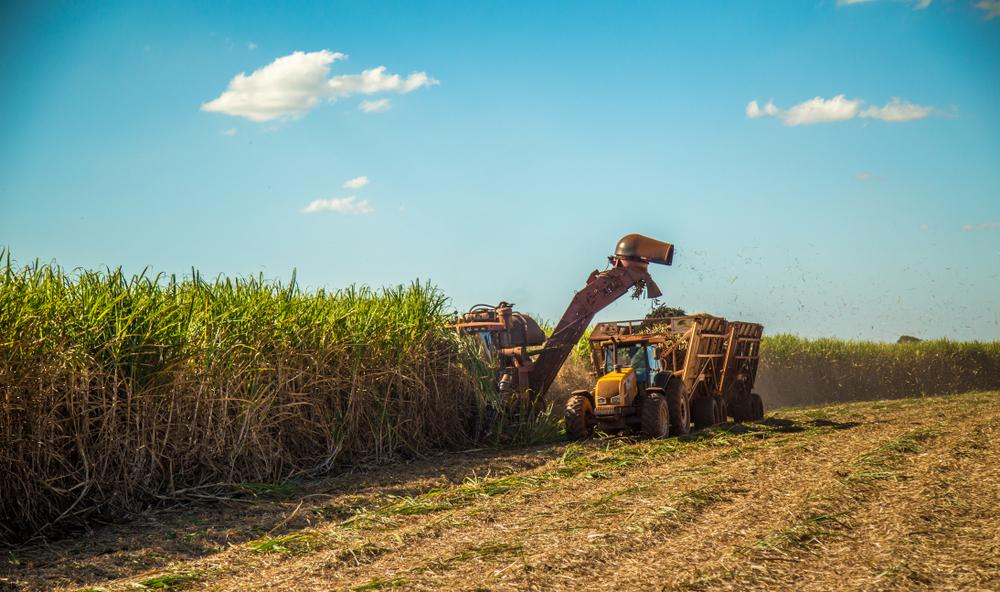
Global Sugar Shortage Looms as Brazil's Crop Falters
Global Sugar Shortage Looms as Brazil’s Crop Falters.
One-stop reference
Company Intelligence
Every listed company in Latin America — financials, ownership and structure for 1,450+ companies across 26 exchanges, in one place.
Browse the directory →
RT
Ask Rio Times
Latin American markets, currencies and companies.
Open the full Ask Rio Times →

India, the second-largest sugar producer globally, might not come to the rescue this time. The country’s potential to resume exports remains limited, further tightening the global supply.

The LatAm Brief

One email, every weekday morning. What moved in Latin American markets, politics and expat life.

Yesterday’s subject line: “Mexico sells record US$60.6bn to the US in August”

Free. We send a confirmation link first — nothing arrives until you click it. Unsubscribe with one click in any edition. If you stop opening us for 30 days we stop sending by ourselves, as we assume the interest is no longer there. See our privacy policy. We never share your email.

This situation has led to a surge in raw sugar futures prices, which reached six-month highs in September 2024. The U.S. Department of Agriculture (USDA) has revised Brazil’s sugar production forecast for 2024/25 downward from 44 million tons to 43 million tons.

Global Sugar Market Outlook

Despite this reduction, global sugar production is still expected to increase by 2.5 million tons from the previous year. It will reach a total of 186.0 million tons.

Global sugar consumption is set to hit a new record, driven by growing demand in markets like India and Pakistan. This increased appetite for sugar comes at a time when exports are forecast to decline due to reduced shipments from major producers.

As of early October 2024, raw sugar prices hovered around $23 per pound, marking an 11.47% increase since the beginning of the year. This price surge affects traders, consumers, and food manufacturers worldwide.

Weather conditions in Brazil will play a crucial role in the coming months. Rainfall during this period could significantly influence the potential of Brazil’s sugarcane crop.

Market participants are closely monitoring these weather patterns, understanding their potential to sway the global sugar balance.

This situation highlights the delicate nature of agricultural commodity markets. It also emphasizes the importance of diversified production and resilient supply chains in ensuring stable markets.

This article was produced by The Rio Times’ automated newsroom system. How we use AI · Report an error · Editorial responsibility: Matthias Camenzind, Editor-in-Chief

LatAm Markets: Live Signals → — real-time movers, turnover leaders and FX across Latin America.

Read More from The Rio Times

Rotate for Best Experience

This report is optimized for landscape viewing. Rotate your phone for the full experience.