Global Steel Showdown: Nations Unite Against China’s Market Disruption
The world is growing weary of China’s disruptive influence on global steel markets. Countries are taking decisive action to protect their domestic industries from what they perceive as unfair competition.
India recently announced tariffs of 12–30% on certain steel products from China and Vietnam. This move aims to shield India’s ambitious goal of reaching 300 million metric tons of steel production by 2030–31.
The United States has upped the ante, tripling tariffs on Chinese steel from 7.5% to 25%. Canada followed suit with a proposed 25% tariff on Chinese steel and aluminum products.
Even the European Union, known for its free trade stance, extended steel safeguard measures until 2026. The UK mirrored this action, extending similar measures for three years.
Brazil joined the fray, introducing import quotas and raising taxes to 25% on various rolled steel products. Mexico tightened regulations to prevent Chinese steel from circumventing US tariffs.
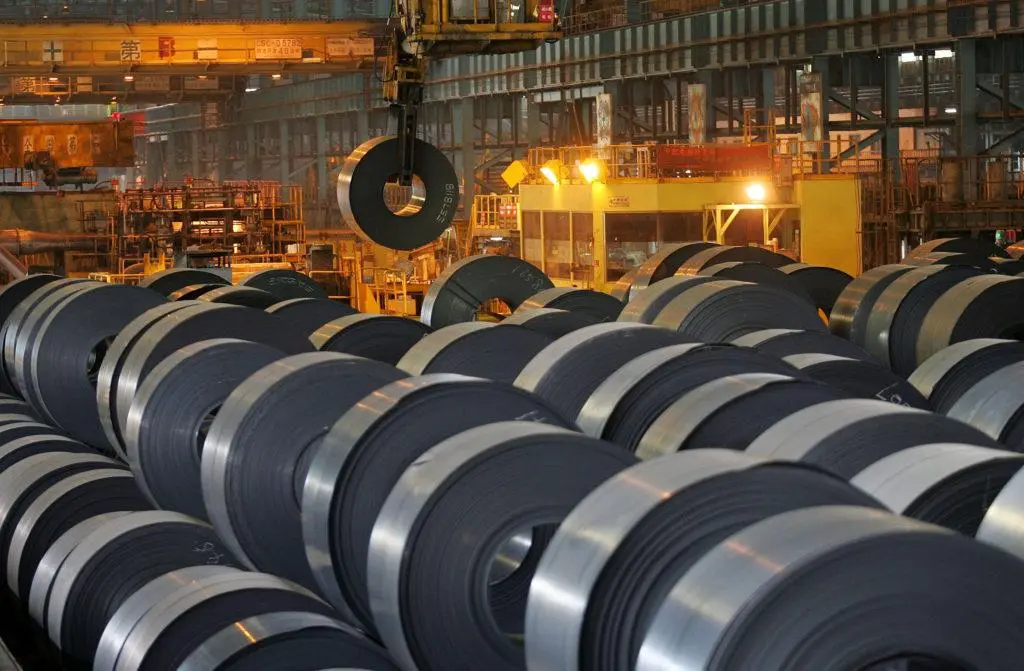
However, these actions stem from growing frustration with China‘s steel overcapacity and alleged unfair trade practices.
In 2023, Chinese steel exports surged by 36.2% to 90.3 million tons, while export prices plummeted by 32.7%. The global steel industry faces a crisis more severe than the downturns of 2008 and 2015.
China’s largest producer, Baowu Group, likened current conditions to a “harsh winter” that will be “longer, colder, and more difficult to endure.”
This widespread protectionist trend reflects a significant shift in global trade dynamics. It highlights the challenges of balancing domestic industry protection with international trade commitments in an increasingly interconnected world.
As nations grapple with these issues, the future of the global steel industry hangs in the balance. The world watches closely to see how this steel showdown will reshape international trade relations.
This article was produced by The Rio Times’ automated newsroom system. How we use AI · Report an error · Editorial responsibility: Matthias Camenzind, Editor-in-Chief