
GHANA · ENERGY
Key Facts
- —The country Ghana is a West African democracy of more than 30 million people, a producer of oil, gold and cocoa, led by President John Mahama.
- —Why it matters The Ghana Petroleum Hub aims to cut fuel imports and turn the country into a refining and petrochemical centre for West Africa.
- —What happened On Monday 19 October 2026, Ghana’s Petroleum Hub Development Corporation announced a US$28 billion partnership for Phase 2, Citi Newsroom and MyJoyOnline reported.
- —The investors Citi Newsroom says a group led by Global Sphere, with partners from South Korea, the UAE and Mali, will build Phase 2.
- —The plan Phase 2 covers a refinery of 300,000 barrels per stream day, two petrochemical plants, 4 million cubic metres of storage and a multi-berth jetty.
- —The timetable Construction at Jomoro is due to begin in the first quarter of 2027, with completion in 2031, according to MyJoyOnline.
- —Still open The signing date and venue, each investor’s stake and the financing mix have not been published.
Ghana’s Petroleum Hub Development Corporation (PHDC) announced on Monday 19 October a US$28 billion partnership for the second phase of the Ghana Petroleum Hub. The site at Jomoro, on the Western Region coast, would host a large refinery, two petrochemical plants and a jetty for tankers.
For US readers, the deal shows Gulf and Asian money backing West Africa’s largest planned fuel project, with no American company named. Citi Newsroom, a Ghanaian news site, reports a group led by Global Sphere, with partners from South Korea, the United Arab Emirates and Mali.
What the Phase 2 Deal Covers
Phase 2, which the corporation calls Lot Two, is the second block of the Ghana Petroleum Hub at Jomoro, near the border with Côte d’Ivoire. It is planned to hold a refinery of 300,000 barrels per stream day, a measure of daily processing capacity, and two petrochemical plants.
Storage of 4 million cubic metres and a multi-berth jetty complete the plan, Citi Newsroom reported. PHDC chief executive Dr Toni Aubynn said the facilities should be built within five years, and MyJoyOnline gave 2031 as the completion year.
Who Is Behind the Consortium
Citi Newsroom describes a Build-Operate partnership with investors and technical partners from South Korea, the United Arab Emirates and Mali. The Emirates are a Gulf federation and major oil exporter, while Mali is a landlocked Sahel country run by a military-led government.
MyJoyOnline named the group’s representative at the ceremony as Bou-ba-car Belco Bah. The Emirates’ embassy in Accra said on Thursday 25 June that it had told PHDC of its country’s strong interest in the project.
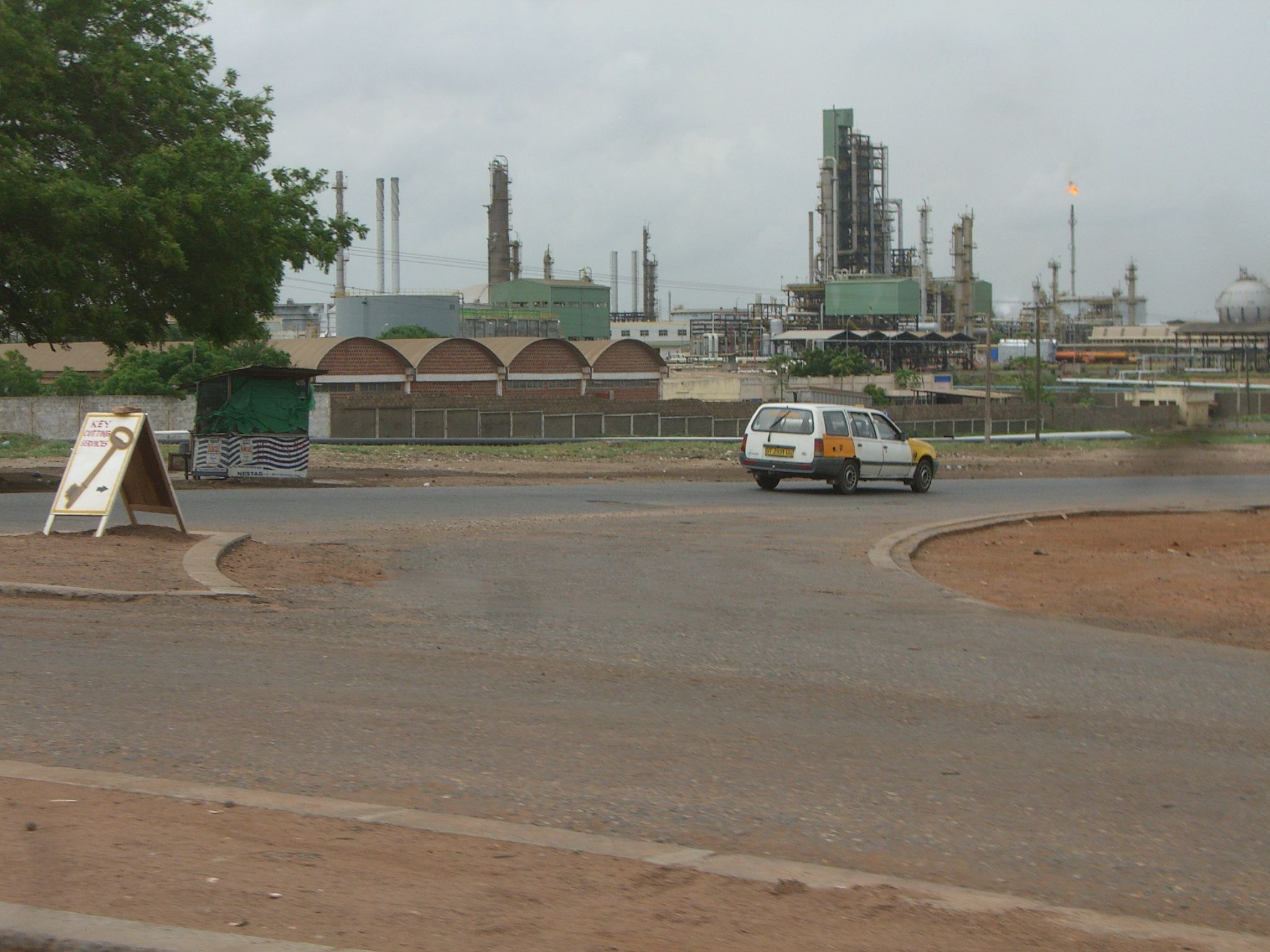
Why Ghana Wants a Refining Hub
Aubynn said the Ghana Petroleum Hub will reduce dependence on imported fuel, save foreign exchange and create jobs that run around the clock. That fits the 24-Hour Economy, President Mahama’s programme to keep factories, ports and services working day and night.
The corporation says the full hub will create more than 700,000 direct and indirect jobs once all phases are built. Ghana already pumps crude offshore, as the Rio Times reported in Ghana Oil Output Up 30%, Minister Says.
Where Phase 1 Stands
Phase 1, called Lot One, is a US$12 billion block with three refineries and five petrochemical plants, the Ghana News Agency reported on 4 August. Touchstone Capital Partners, the corporation’s partner for Lot One, said then that it remained focused on delivering it.
Land has been the sore point for the Ghana Petroleum Hub, with chiefs in the Western Region asking for clearer land sizes and compensation. Energy Minister Dr John Jinapor said in July that a major agreement was close to being signed, Citi Newsroom reported.
What Officials Said at the Signing
Citi Newsroom quoted Aubynn as saying the Ghana Petroleum Hub deal “ranks among the largest industrial investment ever mobilized in Ghana”. He added that “the true measure of our success will not be the agreement we sign, but the infrastructure we build.”
Jinapor, who leads the Ministry of Energy and Green Transition, told the corporation, “You have my full support,” MyJoyOnline reported. Bah pledged development “in accordance with Ghanaian laws and regulations and appropriate international standards.”
What It Means for US Readers
The Ghana Petroleum Hub investors come from the Gulf and Asia, which shows where much of the capital for African energy projects is coming from. Neither report names an American lender, supplier or shipping firm.
A refinery of this size could give West African buyers a nearby source of fuel, which may shift regional trade in refined products. US equipment makers and contractors could still bid for supply work, but none has been announced.
What Is Not Known
The signing date, the venue and the agreement text have not been published, and neither has Global Sphere’s home country or ownership. The share held by each investor and the split between loans and equity are also open.
Citi Newsroom calls the Ghana Petroleum Hub deal a Build-Operate partnership, but the length of the operating term has not been stated. Construction is tied to preparatory requirements that Aubynn did not list.
More: Ghana news in English, every day from The Rio Times.
Frequently Asked Questions
What is the Ghana Petroleum Hub?
It is a planned industrial zone at Jomoro in Ghana’s Western Region for refining, petrochemicals and fuel storage. A state body, the Petroleum Hub Development Corporation, leads it under a law passed in 2020.
Who is in the Phase 2 consortium?
Citi Newsroom says the group is led by Global Sphere and includes investors and technical partners from South Korea, the United Arab Emirates and Mali. MyJoyOnline names Bou-ba-car Belco Bah as its representative.
When will construction start?
Aubynn said initial work at Jomoro is due to begin in the first quarter of 2027, subject to agreed preparatory requirements. MyJoyOnline reported that the project would be finished in 2031.
How does Phase 2 differ from Phase 1?
Phase 1 is a US$12 billion block with three refineries and five petrochemical plants. Phase 2 is a US$28 billion block with one refinery, two petrochemical plants and a multi-berth jetty.
How many jobs will the hub create?
The corporation says the full hub will create more than 700,000 direct and indirect jobs once all phases are complete. Aubynn said engineers, technicians, contractors and small businesses should benefit.
Sources: Citi Newsroom, 19 October 2026; MyJoyOnline, 19 October 2026; Ghana News Agency, 4 August 2026; UAE Embassy in Accra, 25 June 2026; Citi Newsroom, July 2026.
This article was produced by The Rio Times’ automated newsroom system. How we use AI · Report an error · Editorial responsibility: Matthias Camenzind, Editor-in-Chief
LatAm Markets: Live Signals → — real-time movers, turnover leaders and FX across Latin America.