
Economy: Ghana
Key Facts
—Who. The Ghana Statistical Service, the national statistics office, led by Government Statistician Dr Alhassan Iddrisu.
—What. Annual inflation rose to 5.2% in September 2026 from 5.0% in August, the second monthly rise in a row.
—Where. Ghana, the West African gold and cocoa exporter.
—When. Released on Wednesday 7 October 2026; a year earlier inflation was 9.4%.
—Numbers. Services inflation was 8.3% against 4.2% for goods; food inflation rose to 4.0% from 3.0%.
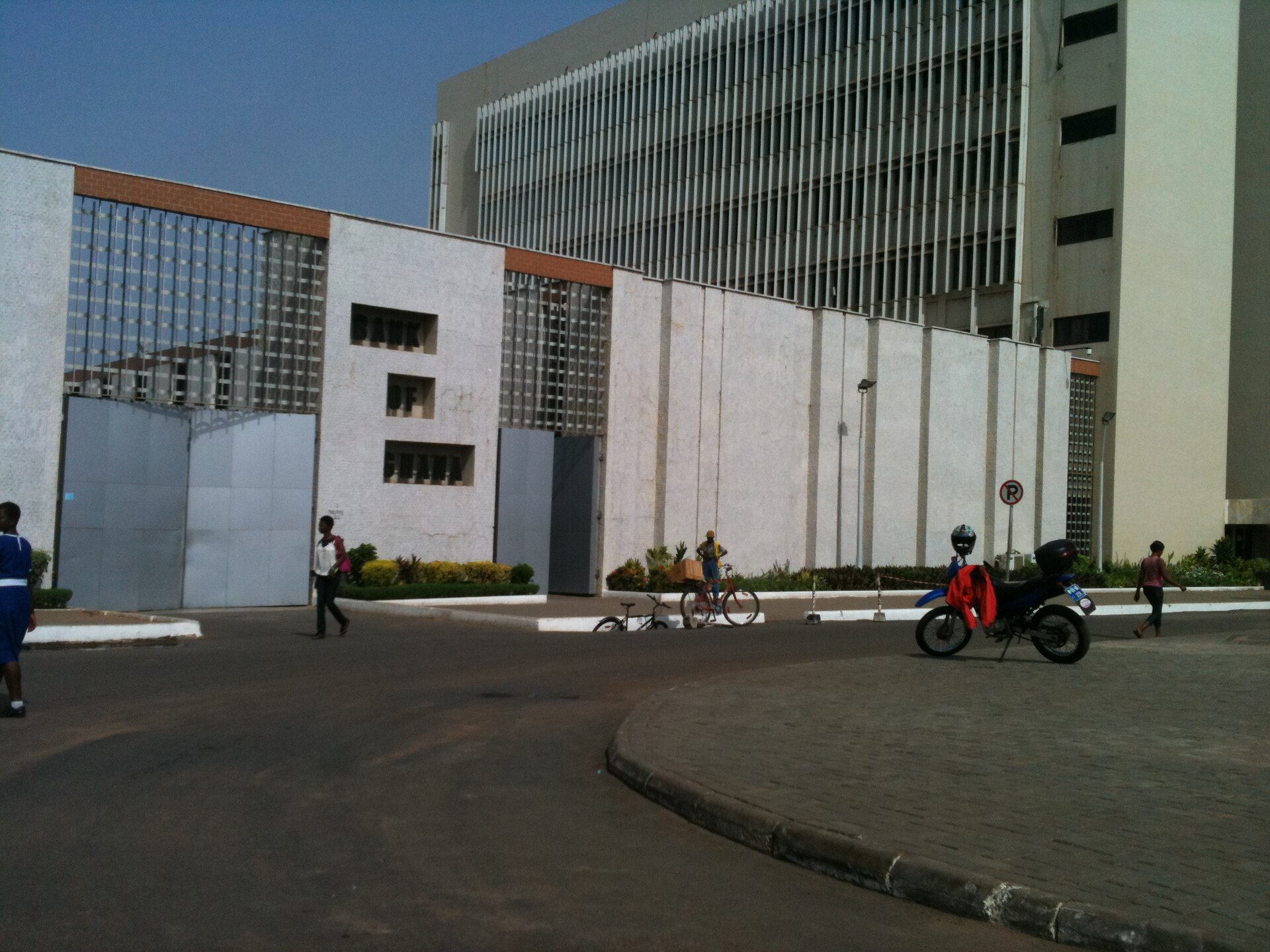
—US link. The Bank of Ghana’s 14% policy rate matters to US holders of Ghanaian debt.
—As of. 7 October 2026, 22:30 GMT.
Ghana’s annual inflation rose to 5.2% in September 2026 from 5.0% in August, the Ghana Statistical Service said on Wednesday 7 October. It is the second monthly rise in a row, but the rate is still far below the 9.4% of a year earlier.
What We Know
Food inflation rose to 4.0% from 3.0% in August, while non-food inflation eased to 6.2% from 6.8%. Non-food items still made up about 63% of the overall rate.
Services inflation was 8.3%, against 4.2% for goods. Services now rise almost twice as fast as goods.
Housing, water, electricity, gas and other fuels had the highest rate of any spending group, at 10.3%. Insurance and financial services followed at 9.4%, and restaurants and accommodation at 9.2%.
Fresh tomatoes cost 153.4% more than a year earlier and ginger 100.4% more. Lime prices fell 29.9%.
A Home-Grown Rise in Prices
Locally produced items saw inflation of 6.4%, against 2.4% for imported items. Local items made up 85.7% of the total rate.
That points to domestic costs rather than imported goods. The Statistical Service’s own presentation framed the rise as a services story driven at home.
Regional rates ranged from minus 0.5% in the Western Region to 9.8% in the Ashanti Region. Ashanti and the Greater Accra region together contributed 56.6% of the national rate.
Where Inflation Stands Against the Target
Dr Iddrisu said the rate remained below the lower bound of the Bank of Ghana’s medium-term target band of 8% plus or minus 2 percentage points, according to Graphic Online. The band therefore runs from 6% to 10%, and the new figure sits under it.
Inflation touched a low of 3.2% in March 2026 and was 4.6% in July before rising to 5.0% in August. That is 0.6 percentage points above July’s 4.6%.
The Bank of Ghana held its policy rate at 14% on 24 September in a unanimous vote, its third hold in a row this year. Governor Johnson Asiama said global price pressure had risen since July, with crude oil above US$100 a barrel.
What Is Not Known
The figures do not show whether the two-month rise will continue. We could not confirm the date of the Bank of Ghana’s next rate decision.
Media reports also differ on the month-on-month price change, so we leave that figure out. The annual rates above are those the Statistical Service published.
What It Means for US Readers and Investors
Ghana is a gold and cocoa exporter, and single-digit inflation is a recent gain after the price spike of 2022 and 2023. For US investors in Ghanaian bonds, inflation below the central bank’s band leaves room to hold rates at 14%.
A rise that keeps going could narrow that room. Visitors will notice the pressure first in rents, restaurants and hotels, where inflation is highest.
Our guide to Ghana’s economy explains who sets policy. We also covered how Kenya’s central bank held its rate on the same day.
Frequently Asked Questions
What is Ghana’s inflation rate now?
Ghana’s annual inflation rate was 5.2% in September 2026, up from 5.0% in August. A year earlier it was 9.4%.
Why is inflation in Ghana rising again?
Food inflation picked up to 4.0% from 3.0%, and services stayed costly at 8.3%. Locally produced items rose 6.4%, against 2.4% for imports.
Will the Bank of Ghana raise interest rates?
The bank held its policy rate at 14% on 24 September. We could not confirm the date of its next decision.
How low did Ghana’s inflation fall this year?
It touched 3.2% in March 2026. It then rose to 4.6% in July, 5.0% in August and 5.2% in September.
Sources
Ghana Statistical Service · Graphic Online · Adom Online · Citi Newsroom (Bank of Ghana decision) · Ghana Business News
Cover photo: traders outside Makola Market in central Accra, 2013. Photo: Benggriff / Wikimedia Commons (CC BY-SA 3.0).
This article was produced by The Rio Times’ automated newsroom system. How we use AI · Report an error · Editorial responsibility: Matthias Camenzind, Editor-in-Chief
Part of our ongoing coverage
Africa: The New Scramble — the great-power contest over the continent.