From Political Repression to Economic Dependence: How Brazil Edges Closer to China – This Time With Coffee
The recent approval by China for 183 Brazilian companies to export coffee to its market grabs headlines, but a deeper, more troubling trend explains why Brazil is turning to Beijing.
As President Lula’s government faces growing criticisms for persecuting political opposition, Brazil risks trading not just with China, but trading away its own independence—a slide familiar to anyone who has watched how the Chinese Communist Party controls dissent at home.
After the United States imposed a 50% tariff on Brazilian coffee in August 2025, official figures show Brazil rushed to sell more coffee in China, which imported only a fraction compared to the U.S. in the first half of the year.
With Lula’s government struggling to reassure global investors and domestic producers amid allegations of judicial and political crackdowns, the country’s economic choices narrowed.
Official trade data confirms China’s growing economic clout over Brazil, now the country’s top trading partner for more than a decade, buying everything from soy to oil.
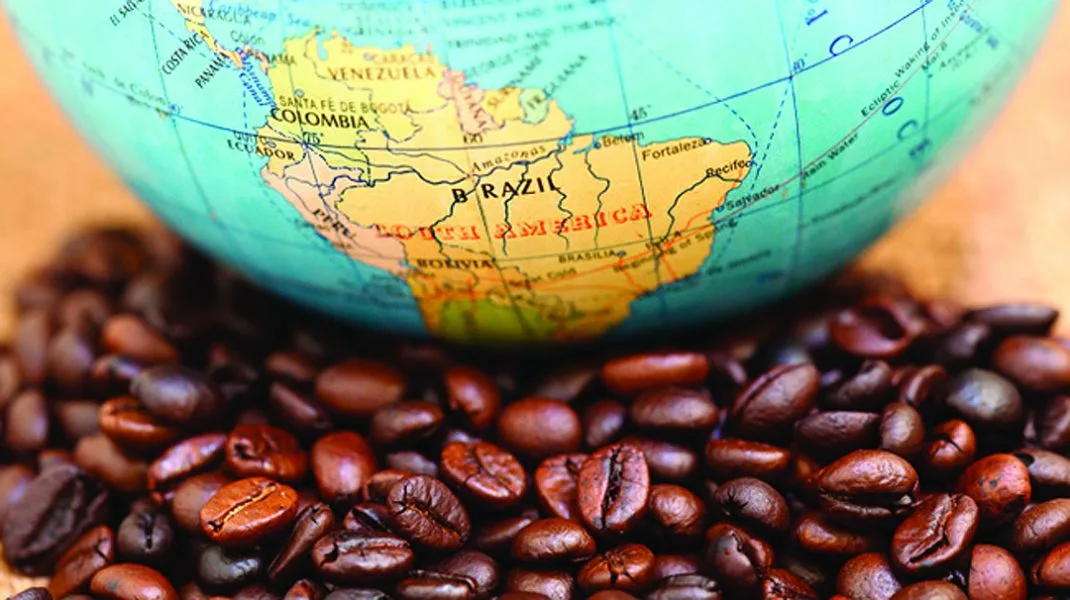
In just one year under Lula, Brazil signed 20 new agreements with China, and accepted billions in Chinese investment deals across infrastructure and technology.
Brazil’s China Pivot Raises Fears Over Sovereignty
As Brazil leans harder on China, the pattern is clear to outside observers. Economic dependence grows just as political space at home tightens. History shows China’s leadership tolerates no opposition; critics and rivals are controlled tightly.
Some Brazilian analysts worry their own country is at risk of a slow slide toward similar pressures, where Beijing’s money and support come at the cost of local independence—and the freedom to question those in charge.
This is no longer just about how many coffee beans are sold, or which superpower writes the biggest check.
As avenues for dissent grow narrower at home, Brazil’s sovereignty slowly slips away, caught between a government eager for foreign support and a trading partner expert at shaping countries in its own image.
The country that once prided itself on autonomy could find itself, like many before it, in the shadow of China’s ruling party—and with fewer ways to decide its own future.
More: Brazil news in English, every day from The Rio Times.
This article was drafted with automated assistance and reviewed before publication. How we use AI · Report an error · Editorial responsibility: Matthias Camenzind, Editor-in-Chief