Football’s Global Triumph: African and Asian Cups Shatter Records
The Africa Cup of Nations (AFCON) and the AFC Asian Cup ended recently, reaching unprecedented viewership.
AFCON drew 2 billion viewers, with Ivory Coast’s win marking a storybook ending.
Qatar’s victory in the Asian Cup, decided by penalties, captivated hundreds of millions, showcasing football’s allure in Asia.
The 2023 AFC Asian Cup in Qatar aimed to surpass all past viewership records. The event’s extensive global coverage involved 60 media partners and over 120 channels.
Indonesia’s impressive performance, returning for the first time since 2007, attracted 154 million viewers on RCTI, highlighting the tournament’s appeal.
Over a million fans attended, emphasizing its broad appeal. AFCON spotlighted football stars, including diaspora talent like Nigeria’s Ademola Lookman.
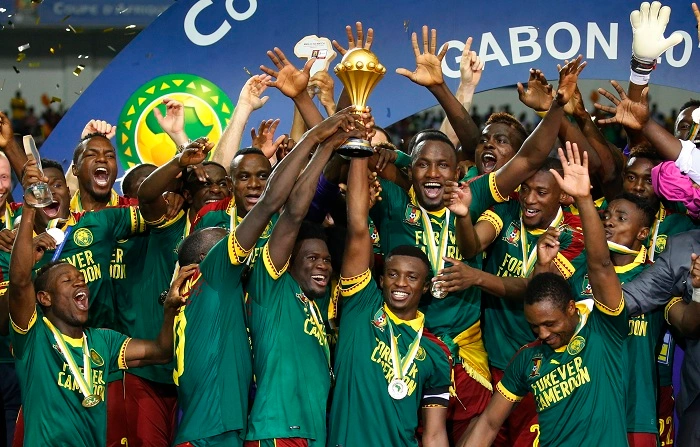
This mix of local and diaspora talent enhanced the competition’s quality and worldwide impact.
These tournaments demonstrated football’s power to unite continents and cultures.
The soaring viewership of AFCON and the AFC Asian Cup underlines football’s expanding global influence.
While Europe focused on its “football” event, the global football community flourished with Africa and Asia at the forefront.
This growing interest across continents illustrates football’s ability to connect and inspire people worldwide, crossing cultural and geographical divides.
Background
Football’s rise, spotlighted by AFCON and the AFC Asian Cup, transcends sport, mirroring geopolitical and cultural shifts.
These events highlight national identities and diplomatic relations, with football acting as a universal connector across diverse cultures.
Qatar’s hosting of the AFC Asian Cup and AFCON’s focus on African talent illustrate football’s diplomatic role and the sport’s capacity to challenge stereotypes and celebrate diaspora contributions.
Europe’s established football market contrasts with Africa and Asia’s dynamic growth, positioning them as future influencers in the global arena.
This evolution suggests a diversifying football landscape, promising a more inclusive international community.
Football’s global appeal thus mirrors broader geopolitical changes and sport’s unifying power.
It serves as a vital cultural exchange and diplomacy channel, underscoring our interconnected world.
More: Nigeria news in English, every day from The Rio Times.
This article was produced by The Rio Times’ automated newsroom system. How we use AI · Report an error · Editorial responsibility: Matthias Camenzind, Editor-in-Chief