FIFA Defies Iran and Egypt to Allow Pride Flags at World Cup
Sport · World Cup 2026
Key Facts
The ruling: FIFA confirmed rainbow flags are permitted inside Lumen Field for the Iran-Egypt match on Friday under the World Cup Stadium Code of Conduct.
The pushback: Iran federation chief Mehdi Taj and the Egyptian FA both wrote to FIFA seeking a ban, citing religious values.
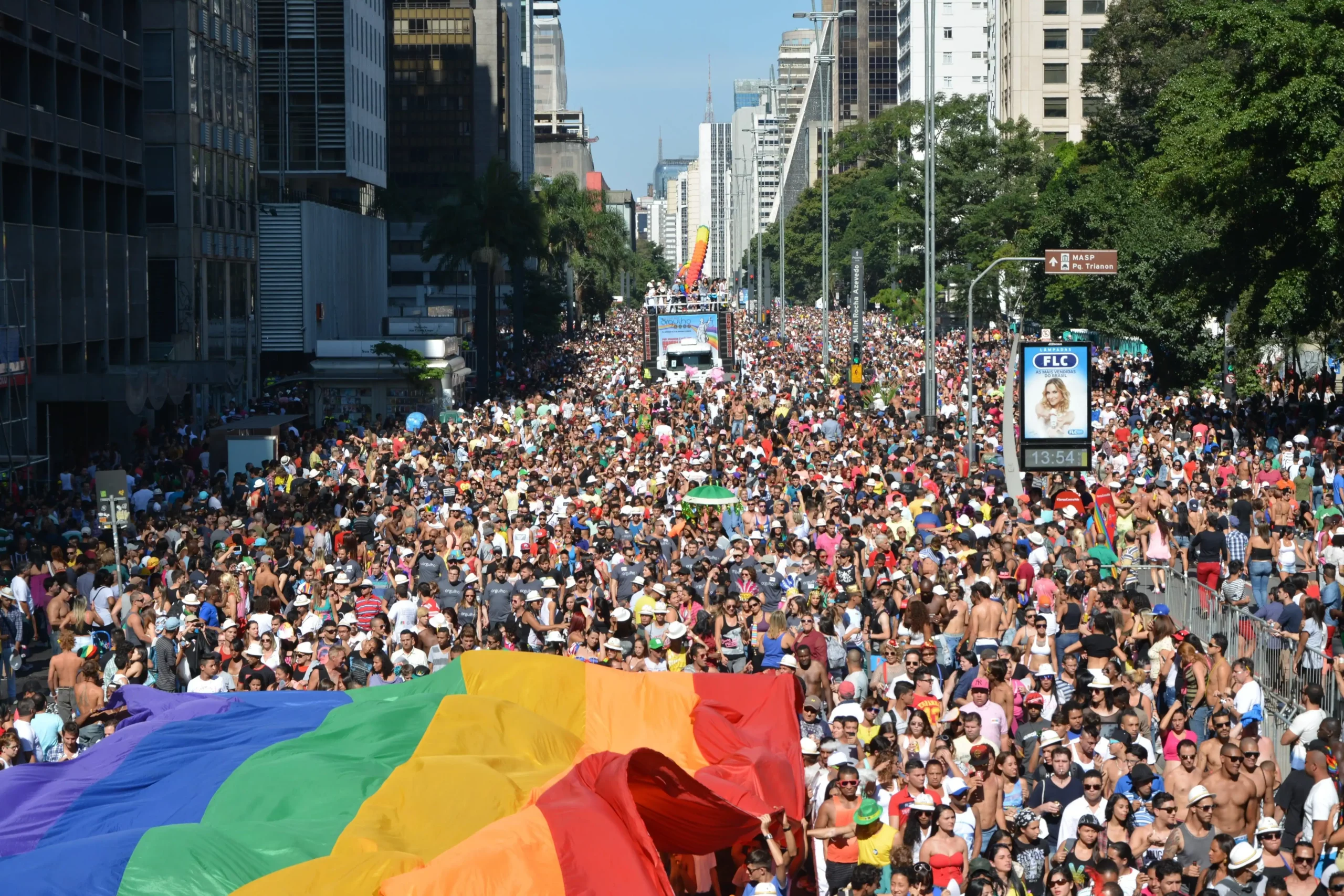
Pride backdrop: Seattle PrideFest draws more than two hundred thousand participants each June, coinciding with the Group G fixture.
Infantino hedge: The FIFA president told Swiss outlet Weltwoche there is no official Pride Match, framing it as an unrelated Seattle event.
Latin American impact: The ruling sets the LGBTQ-rights template for the World Cup’s three Mexican host cities through the knockout rounds.
The FIFA Pride Match ruling is a rare instance of the sport’s governing body overruling two member federations on a human-rights question, on the eve of a high-stakes match in a host stadium that sits inside the United States.
What the FIFA Pride Match ruling actually says
FIFA told media organisations including The Telegraph and Reuters that rainbow flags and other symbols representing sexual orientation and gender identity are permitted inside stadiums under the FIFA World Cup twenty twenty-six Stadium Code of Conduct. A FIFA spokesperson framed the tournament as “an inclusive event that welcomes people from all backgrounds.” The statement was issued after both the Football Federation of the Islamic Republic of Iran and the Egyptian Football Association formally requested restrictions on Pride-related expressions during Friday’s group-stage decider.
The match kicks off at eleven in the evening Eastern time on Friday at Lumen Field, the Seattle venue that has been designated since December as the tournament’s Pride Match by the local organising committee. Group G is finely balanced and the result will decide which of the two countries advances to the knockout rounds. Seattle’s annual PrideFest celebrations, which the city says regularly attract more than two hundred thousand participants, run the same weekend.
Why the two federations objected
Same-sex relationships are criminalised in both Iran and Egypt. Iranian law can impose the death penalty for consensual same-sex relations between adults, and Human Rights Watch has documented sustained crackdowns and arrests targeting LGBTQ Egyptians. Iran football federation president Mehdi Taj publicly condemned the planned Pride visibility, while the Egyptian Football Association wrote to FIFA “categorically rejecting any activities related to supporting homosexuality during the match,” according to copies of the letter cited by The Telegraph.
The two federations argued that only officially recognised national flags should be permitted inside the stadium, citing shared Muslim cultural and religious values. FIFA’s reply pointed to the Stadium Code of Conduct, which explicitly permits flags representing sexual orientation and gender identity provided they are used in a manner consistent with the code.
What the ruling means for the rest of the World Cup
The decision is the first formal test of how FIFA will police human-rights expression at a forty-eight-team tournament spread across sixteen host cities in three countries, after the Qatar twenty twenty-two World Cup was widely criticised for restricting LGBTQ visibility. It sets the precedent for the three Mexican host cities — Mexico City, Guadalajara, Monterrey — where matches will continue through the group stage and into the knockout rounds. FIFA president Gianni Infantino has tried to take the heat out of the framing, telling the Swiss outlet Weltwoche that there is “no Pride Match” at the World Cup and describing the Seattle weekend events as unrelated to the fixture itself.
More: Egypt news in English, every day from The Rio Times.
Connected Coverage
The FIFA Pride Match decision connects to the broader Mexican World Cup preparation story in our Mexico Airbnb and host-city pricing coverage and to the regional sporting backdrop in our LATAM queer-culture media coverage.
Sources
- GB News: FIFA spokesperson statement, Stadium Code of Conduct framework, Mehdi Taj condemnation
- The Telegraph via Yahoo: full FIFA statement, Egyptian FA letter quote, Seattle Mayor Katie Wilson on protest zones
- PinkNews: Seattle FWC twenty twenty-six committee context, Hedda McLendon legacy quote, protest preparation
- SportBible: Iranian federation letter to FIFA, Infantino Weltwoche interview “no Pride Match” framing
- GiveMeSport: FIFA refusal to crack down on Pride expressions, Iran-Egypt criminalisation framework
Reported by Oliver Mason for The Rio Times — Latin American financial news. Filed June 25, 2026 — 15:30 BRT.
This article was produced by The Rio Times’ automated newsroom system. How we use AI · Report an error · Editorial responsibility: Matthias Camenzind, Editor-in-Chief
Frequently Asked Questions
When is the FIFA Pride Match?
The Iran versus Egypt fixture kicks off at eleven in the evening Eastern time on Friday, June twenty-sixth at Lumen Field in Seattle. The match is the Group G decider, with the winner of the group advancing to the round of thirty-two.
Why is it called the Pride Match?
The Seattle FWC twenty twenty-six organising committee designated the date as the city’s Pride Match in December, well before the fixture draw determined which two teams would play. Seattle PrideFest, one of the largest LGBTQ celebrations in the United States, is held the same weekend.
What is the Stadium Code of Conduct?
The FIFA World Cup twenty twenty-six Stadium Code of Conduct sets the rules for spectator behaviour and the items permitted inside the venue. It explicitly allows general statements of human rights, including rainbow flags representing sexual orientation and gender identity.
Will there be protests?
Seattle Mayor Katie Wilson confirmed the city has set up designated protest zones outside Lumen Field. Earlier Iran fixtures in Southern California saw demonstrations both against the Iranian government and against FIFA’s prior ban on the pre-revolutionary Iranian flag.
Does the ruling apply to all venues?
FIFA stated that the Stadium Code of Conduct applies across all sixteen host cities in the United States, Mexico and Canada. That includes the three Mexican host cities of Mexico City, Guadalajara and Monterrey.