Brazil’s New Betting Ad Rules Hit a Booming World Cup Market
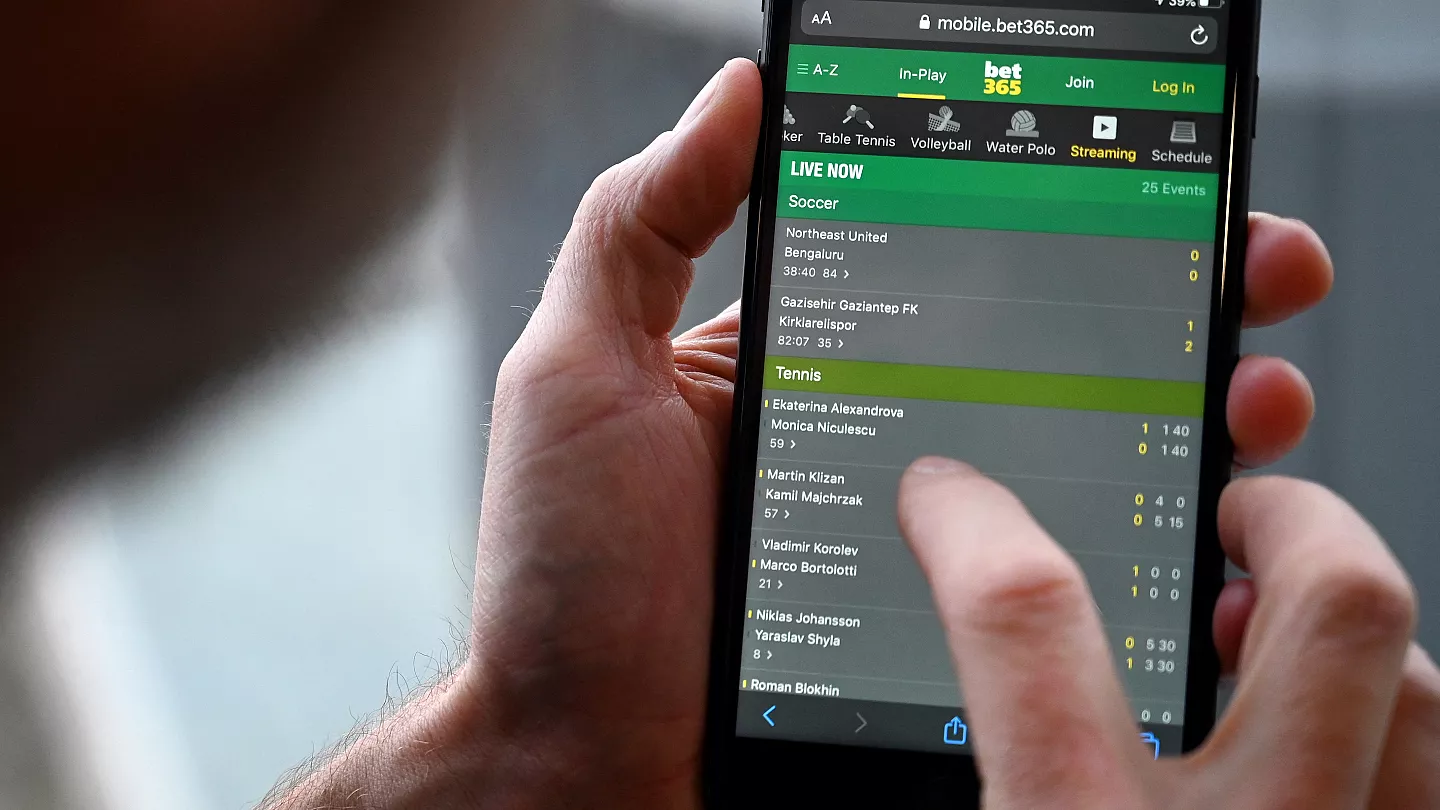
Regulation
Key Facts
—The timing. New rules for Brazil betting ads take effect July 17, mid-way through a World Cup that has supercharged wagering.
—The tournament haul. Operators are projected to clear about R$10.85 billion ($2.1bn) in net gaming revenue over the two-month World Cup window.
—The surge. Monthly visits to betting sites are forecast to jump from about 2 billion to 4.2 billion in July, a 74 percent rise.
—The base. Licensed operators booked about R$12.2 billion ($2.4bn) in revenue in the first four months of 2026, double a year earlier.
—The reach. Some 25 million taxpayer IDs placed bets in 2025, up from 17 million a year earlier.
Brazil’s tough new limits on Brazil betting ads take effect on July 17, landing in the middle of a World Cup that has turned the country into one of the busiest wagering markets on earth.
The rules themselves are strict. From that date every advertisement by a licensed operator must carry a health-style warning, and ads can no longer sell betting as easy money or use pundits to push specific wagers.
The more revealing story, for an outside investor, is the scale of the market those rules are trying to tame. The numbers coming out of this tournament are enormous.
The market the Brazil betting ads rules must tame
One industry tracker projects operators will clear about ten point eight five billion reais in net revenue over the two-month World Cup period. That is more than double the extra sales the retail sector expects from the tournament.
Traffic tells the same story. Monthly visits to betting sites are forecast to leap from around two billion to four point two billion in July, a rise of about seventy-four percent at the peak of the competition.
The base was already large. Licensed operators booked roughly twelve point two billion reais in revenue in the first four months of 2026, double the same period a year earlier, on tax-authority figures.
The customer base has widened fast too. About twenty-five million taxpayer IDs placed bets in 2025, up from seventeen million the year before, a jump that helps explain the political alarm.
Why the Brazil betting ads clampdown matters to investors
The sector is now a real fiscal line, not a curiosity. Licensed betting booked gross profit of about thirty-seven billion reais in 2025, and the government has come to depend on the tax it throws off.
That creates a bind. Officials want to curb the harm and the aggressive marketing without choking a revenue stream that also bankrolls much of Brazilian football through club sponsorships.
The advertising squeeze is one of several fronts. Finance minister Luiz Carlos Guimarães has framed the wider push as zero tolerance for illegal operators, targeting the payment firms that move their money as well as the ads.
The bigger risk sits in Congress. Two bills would ban betting advertising and sponsorship outright, and President Lula has said he would shut the whole online industry down if he could.
The sponsorship figures show how deep the money runs. One operator’s shirt deal with a single top club is worth about two hundred sixty-eight million reais over three years, and rivals pay similar sums elsewhere.
There is a shadow market alongside the licensed one. Analysts estimate unlicensed operators still account for something like forty to fifty percent of all betting, outside the tax net and the new ad rules alike.
The immediate trigger for the crackdown was a streaming channel. During World Cup broadcasts, narrators on a hugely popular online platform were reading out live betting tips—a monitoring study of 48 World Cup broadcasts on the channel found 74 on-air tips, of which 61 percent did not come in, our reporting has shown.
For operators and the broadcasters and clubs they fund, that is the signal to watch. Brazil legalized online betting in December 2023, with the fully licensed market opening on January 1, 2025, and the turn toward restriction, barely eighteen months later, has been unusually fast.
When do the new Brazil betting ads rules take effect?
They take effect on July 17, 2026, under two government orders. From that date every advertisement by a licensed operator must carry a finance-ministry warning, and ads may no longer present betting as easy money or use commentators and influencers to push specific wagers.
How big is Brazil’s betting market during the World Cup?
Operators are projected to clear about ten point eight five billion reais, or roughly two point one billion dollars, in net gaming revenue over the two-month tournament window. Monthly site visits are forecast to rise about seventy-four percent, from around two billion to four point two billion in July.
Why are Brazil betting ads politically sensitive?
Betting has spread to about twenty-five million people and is blamed for rising household debt, so it has become a charged election-year issue. The government relies on the sector’s tax revenue, yet faces pressure, including bills in Congress, to restrict or ban its advertising entirely.
Connected Coverage
Brazil Betting Advertising: New Warning Labels From July 17
Brazil Moves to Rein In World Cup Betting Ads on Three Fronts
Frequently Asked Questions
When do Brazil's new betting ad rules take effect?
The new rules take effect on July 17, right in the middle of the World Cup. From that date, every licensed operator's ad must carry a health-style warning and can no longer portray betting as easy money or use commentators to push specific wagers.
How much money are betting operators expected to make during the World Cup?
Operators are projected to clear about R$10.85 billion (roughly $2.1 billion) in net revenue over the two-month tournament window. To put that in perspective, monthly visits to betting sites are forecast to nearly double, jumping from around 2 billion to 4.2 billion in July alone.
Why has Brazil moved so quickly to restrict betting ads?
About 25 million people placed bets in 2025, up from 17 million the year before, raising political alarm over household debt and aggressive marketing. On top of that, the immediate trigger was a popular streaming platform whose narrators were reading out live betting tips during World Cup broadcasts, exactly the practice the new rules now ban.
This article was produced by The Rio Times’ automated newsroom system. How we use AI · Report an error · Editorial responsibility: Matthias Camenzind, Editor-in-Chief