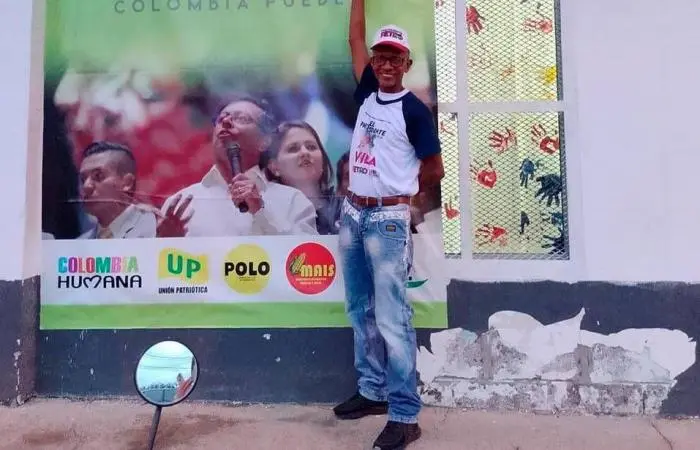
At 66, Fidel Hernández, a prominent social leader in the Barrio Santa María community in Apartadó, Antioquia, tragically lost his life.
He played a vital role in President Gustavo Petro’s campaign under the Pacto Histórico party.
His death on January 17 followed his disappearance on January 14. His body was found near a farm in a region known for dangerous armed groups.
These groups include the AGC, ELN, and local criminal bands.
President Petro mourned Hernández’s death, emphasizing his significant contribution to the political party and campaign.
This event has raised alarms about the safety of social leaders in Colombia. Despite efforts like the Total Peace initiative, violence remains a serious issue.
The Ombudsman’s Office reported over 160 social leaders killed in 2023, with Indepaz noting more than 180.
Hernández’s murder is the eighth such case in 2024, highlighting the dangers faced by human rights defenders.
Hernández’s murder has united politicians and social leaders in concern. They stress the need for effective protection for those fighting for human rights and social change.
This incident shines a light on the urgent need to address the safety of social activists in Colombia.
The country continues to grapple with violence against those who stand up for social and political causes.
Background – Fidel Hernández Assassination Shakes Colombia
The country’s turbulent history with armed groups contributes to the current situation.
Compared to neighboring countries, Colombia’s rate of violence against activists is notably high.
Internationally, Colombia’s situation draws attention from human rights organizations, emphasizing the need for stronger protections.
Hernández’s case highlights the risk for those involved in political and social change.
It serves as a stark reminder of the broader issues facing activists in volatile regions globally.
More: Colombia news in English, every day from The Rio Times.
This article was produced by The Rio Times’ automated newsroom system. How we use AI · Report an error
Read More from The Rio Times