Tanzania Cotton Farmers Say One Buyer Turns Up. The Prime Minister Has Given the Ministry a Month.
TANZANIA · AGRICULTURE
Key Facts
- —The crop Cotton is the main cash income for many households in northwest Tanzania.
- —The complaint Farmers in Simiyu region say a single buyer controls purchases in some areas.
- —Why that hurts With one buyer at the gate, a grower has nothing to negotiate with.
- —The order The prime minister gave the agriculture ministry until 14 October to report on fixing it.
- —The irony Tanzania opened this market to competition in 1994, ending a state buying monopoly.
- —The catch This season’s harvest rebounded sharply and still came in far below target.
A liberalised market is supposed to mean choice. In a village with one buying post, it means whatever the buyer offers.
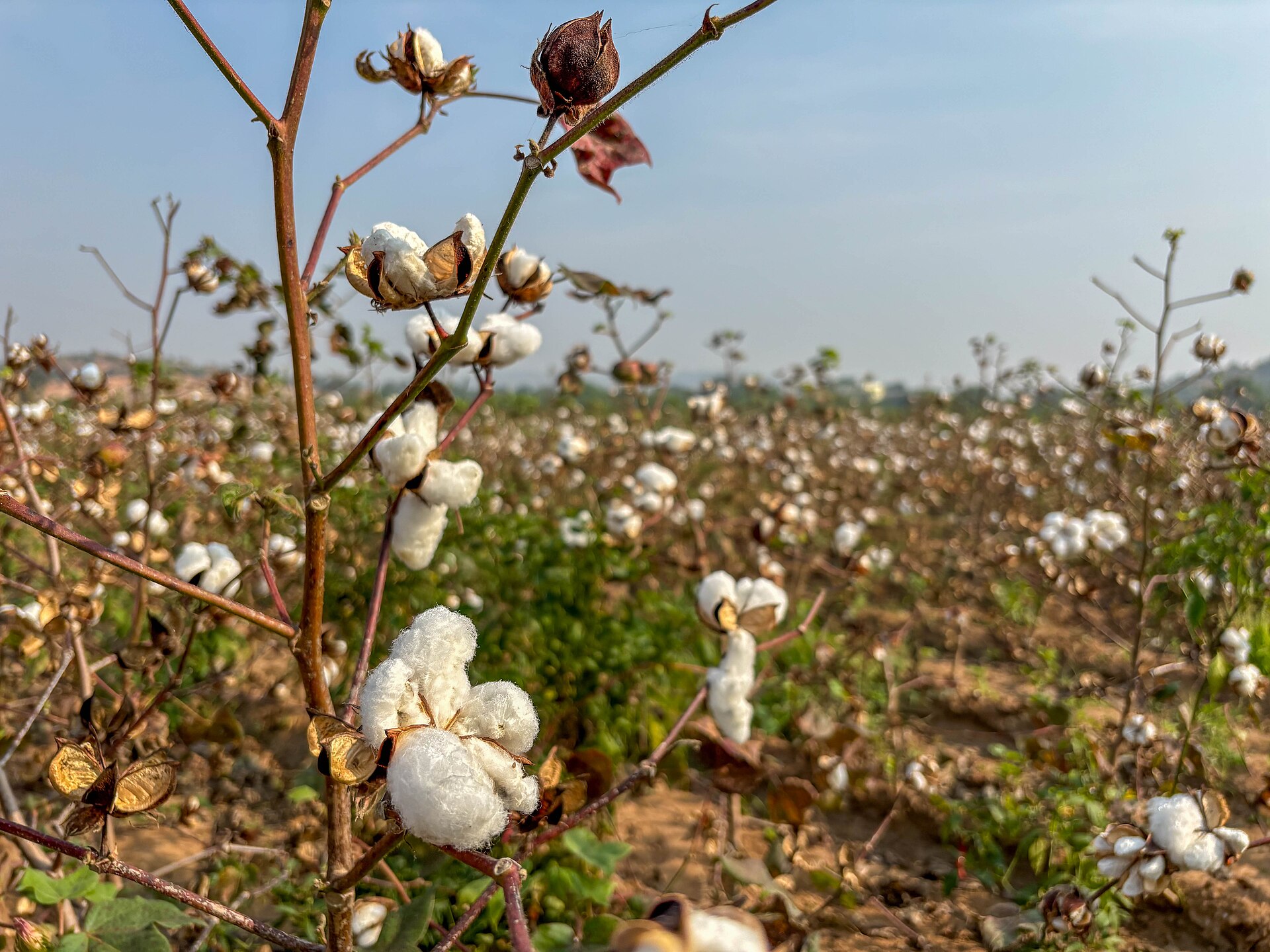
A Tanzania cotton farmer in the northwest takes a season’s crop to a buying post in the village. In theory several licensed buyers compete for it.
In practice, farmers in Itilima district told the prime minister last week, one buyer turns up. When that happens there is nothing left to negotiate.
What Was Ordered
Prime Minister Mwigulu Nchemba was at a public meeting at Langangabilili grounds in Simiyu region on 14 September 2026. A member of parliament raised the complaint and farmers backed it.
One of them put it plainly. When there is only one buyer, he said, we have little room to negotiate the price.
Nchemba instructed the agriculture minister, Daniel Chongolo, and industry participants to review the marketing system and introduce competition among buyers. He set a deadline of one month.
From today, he said, until 14 October, he should have received a report. Nchemba became prime minister in November 2025, having previously been finance minister.
Why This Is Awkward
Tanzania already solved this problem once, or thought it had. Until 1994 the Cotton Board and the cooperative unions held a monopoly on buying the crop.
The Cotton Act of that year ended it and opened marketing and ginning to private companies. It was textbook liberalisation, and it worked in the way textbooks promise.
World Bank research found growers’ share of the export price rose from 41% before the reform to 51% after it. More buyers meant better prices.
Thirty years on, the complaint is that in some villages the competition has gone again.
The law did not change. In a thin market with high transport costs, only one trader finds the trip worth making.
That is a harder problem than a monopoly. You cannot legislate a second buyer into a village that cannot support one.
What the Board Can Actually Do
The Tanzania Cotton Board has real powers, though not quite the ones usually attributed to it. Under the Cotton Industry Act, which came into force in 2004, it licenses buyers and ginners.
It may declare premises to be a cotton buying post and fix the dates, hours and days of buying. Those are meaningful levers over where and when trade happens.
The power to announce an indicative price sits in regulations made under the Act in 2011, not in the Act itself. The board announces that price in consultation with stakeholders rather than setting it alone.
A World Bank review with the Tanzanian government and the European Union once proposed replacing scattered buying posts with a local auction. Farmers would bring cotton to one place and buyers would bid.
That idea has been available for years. The prime minister’s one-month deadline may be short enough to force a decision on it.
The Harvest Behind the Argument
Tanzania Cotton output rebounded hard this season. Seed cotton rose from 149,361 tonnes in 2024/25 to 222,057 tonnes in 2025/26, an increase of about 48%.
That figure needs two qualifiers. The original target for the season was 400,000 tonnes, so the rebound still came in roughly 45% short.
And the target for 2026/27 has been set at 300,000 tonnes, which is a reduction of ambition rather than a stretch. A drought in January and February explains much of the shortfall.
The tonnage is also seed cotton rather than ginned lint. At typical processing rates, 222,057 tonnes of seed cotton yields somewhere around 75,000 to 80,000 tonnes of lint.
Who Buys It
About 80% of the crop leaves Tanzania as raw fibre. The buyers are spinning mills in South and Southeast Asia.
Pakistan, Bangladesh, India, China and Vietnam took roughly four fifths of Tanzanian cotton exports in 2023, worth about US$83m in total. Export earnings have run between US$70m and US$95m a year.
That is a small industry by national standards and a large one by household standards. For families in Simiyu it is the difference between a year with cash and a year without.
Which is why a village-level question about who shows up at the buying post reaches the prime minister at all.
More: Africa news in English, every day from The Rio Times.
Frequently Asked Questions
What did Tanzania’s prime minister order?
Mwigulu Nchemba instructed the agriculture ministry and industry participants on 14 September 2026 to review the cotton marketing system and introduce competition among buyers, reporting back by 14 October.
What is the complaint?
Farmers in Itilima district, Simiyu region, say a single buyer controls purchases in some areas, leaving them no room to negotiate the price.
Was this market not liberalised?
Yes, in 1994, when the Cotton Act ended the monopoly held by the Cotton Board and the cooperative unions. World Bank research found growers’ share of the export price rose from 41% to 51% afterwards.
How much cotton does Tanzania produce?
Seed cotton output was 222,057 tonnes in 2025/26, up about 48% on the previous season but roughly 45% below the 400,000-tonne target. The 2026/27 target has been set at 300,000 tonnes.
Who buys Tanzanian cotton?
Spinning mills in Pakistan, Bangladesh, India, China and Vietnam took about four fifths of exports in 2023. Around 80% of the crop leaves the country as raw fibre.
Sources: The Citizen and The Respondents of 14 September 2026, Tanzania Cotton Board figures via Daily News and Ecofin Agency, World Bank research and the Cotton Industry Regulations 2011.
This article was produced by The Rio Times’ automated newsroom system. How we use AI · Report an error
Read More from The Rio Times