Algeria Tourism Draws a Sixth of Morocco’s Visitors. Its Answer Is an AI Competition.
ALGERIA · TECHNOLOGY
Key Facts
- —The country Algeria is Africa’s largest by land area, with Roman ruins, Saharan rock art and a long coastline.
- —The problem It drew about 3.5 million visitors last year. Morocco drew 19.8 million and Tunisia 11 million.
- —The scale of it Tourism is about 7.3% of Morocco’s economy. In Algeria the last World Bank reading was 0.03%.
- —The response A national artificial intelligence competition for tourism, open to students, startups and the diaspora.
- —The date Entries closed on 19 August. Winners are announced on 27 September, World Tourism Day.
- —The catch Algeria’s own visitor number counts returning diaspora, which flatters it considerably.
Algeria has Roman cities, Saharan rock art and a thousand kilometres of Mediterranean coast. It also has almost no tourists.
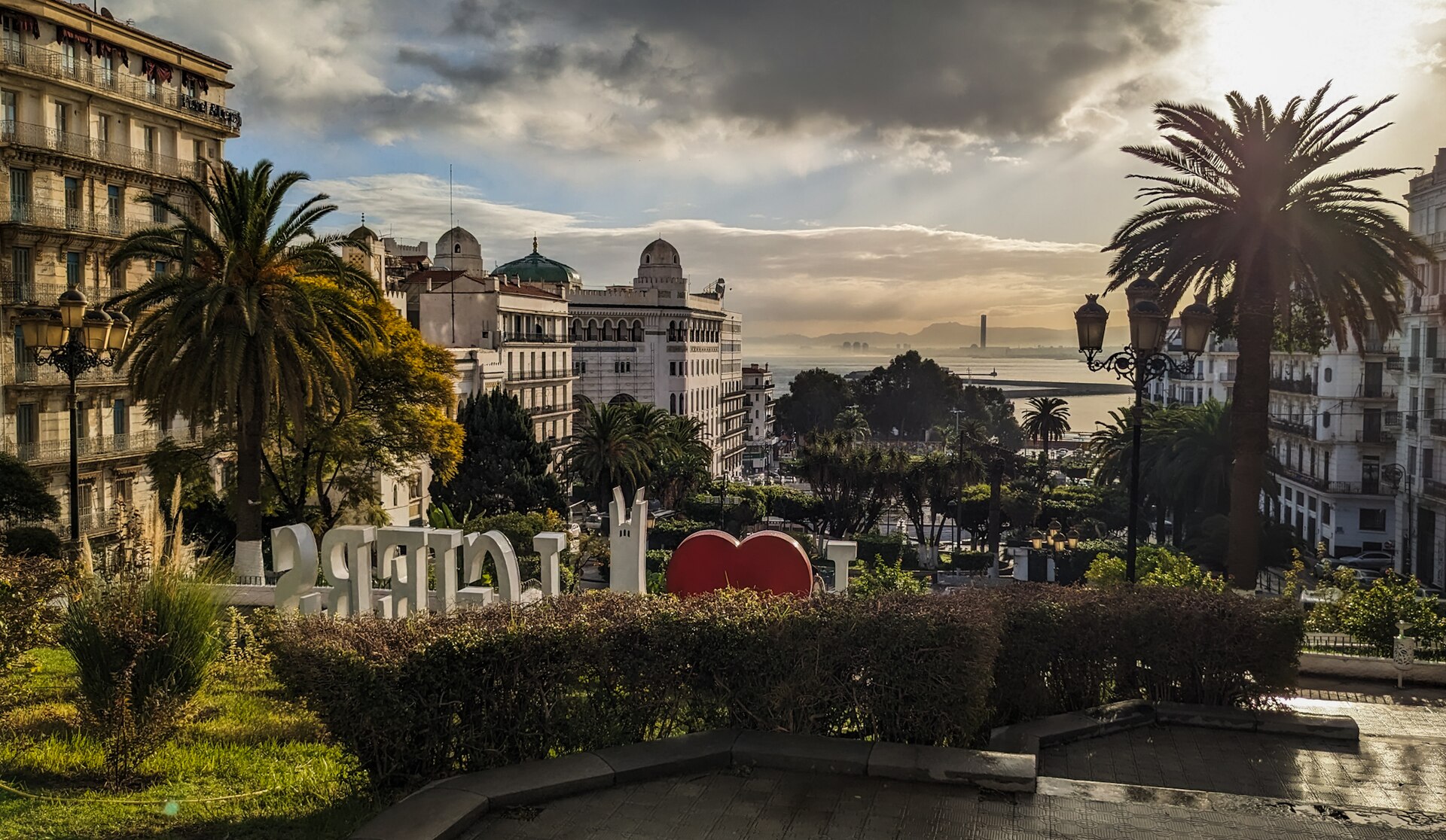
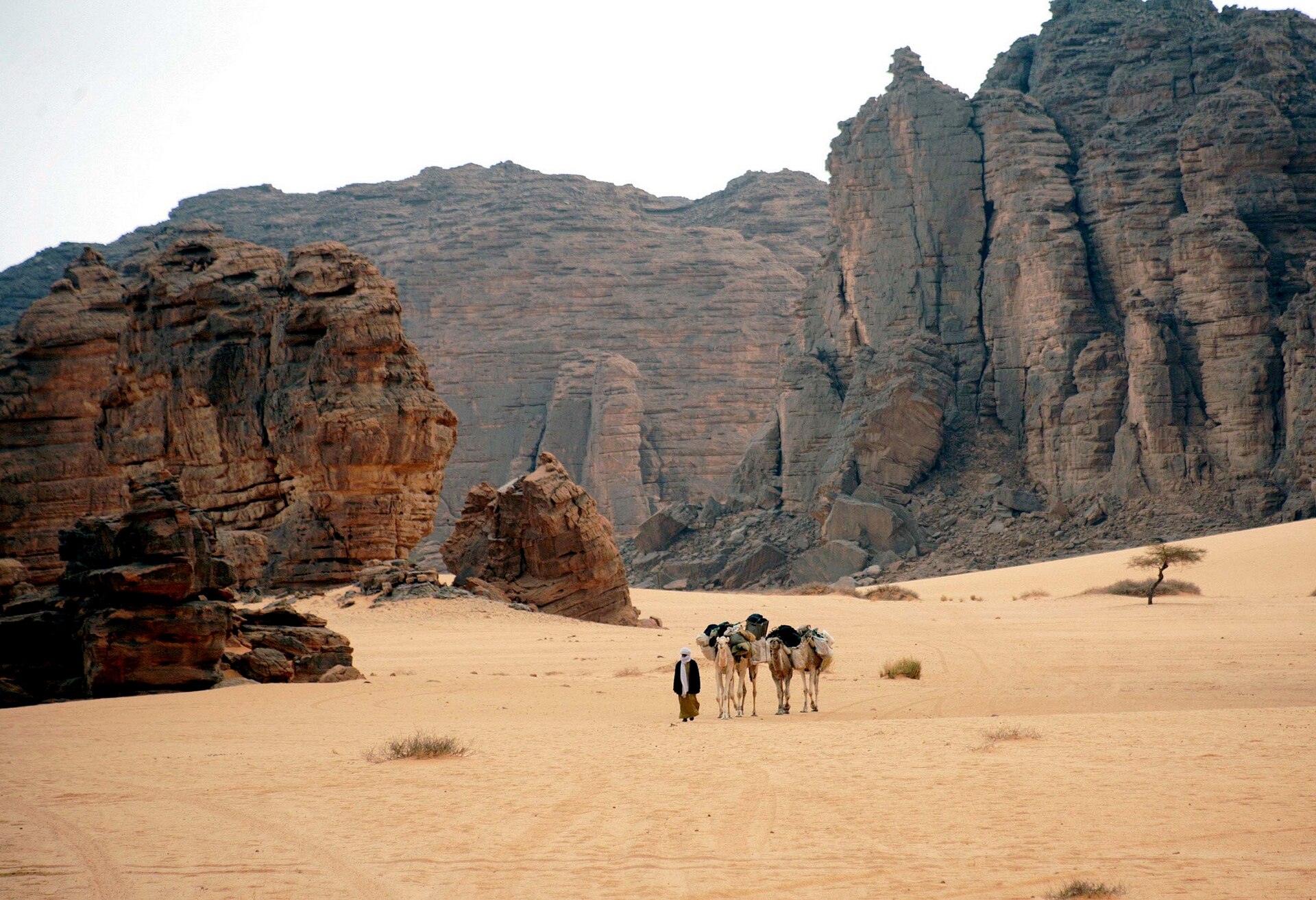
Algeria is the largest country in Africa, and Algeria tourism is among the smallest industries in it. There are Roman cities, Saharan rock art and 1,600 kilometres of Mediterranean coast.
Last year it received about 3.5 million visitors. Its neighbour Morocco, smaller and with less coastline, received 19.8 million.
The Gap
Tunisia, smaller again, took more than 11 million. Algeria draws roughly a sixth of Morocco’s traffic from a larger country and population.
The revenue gap is wider than the visitor gap. Morocco earned around US$13bn from tourism last year, about 7.3% of its economy.
The most recent World Bank reading for Algeria put tourism receipts at 0.03% of output. The world average is a little over 3%.
Algeria’s own headline number also needs care. For 2024 the ministry gave 3.5 million as 2.3 million foreign nationals plus 1.2 million members of the diaspora returning home.
For 2025 the same 3.5 million figure was reported as foreign tourists, with the diaspora apparently folded in. Read strictly, the two years may show no real growth at all.
Why Algeria Has So Few Visitors
The reasons have little to do with what there is to see. Visa policy has been restrictive and hotel capacity is thin outside the capital.
Algeria also spent the 1990s in a civil conflict that ended its tourist trade entirely. Reputations take longer to rebuild than hotels.
There is also the oil. Hydrocarbons have supplied the overwhelming majority of Algeria’s export earnings for decades, which removed the urgency to build anything else.
That is the calculation now changing. A state living on gas revenue in a decarbonising world has reason to look at its coastline.
The Competition
On 19 May 2026 the tourism and handicrafts minister, Houria Meddahi, launched a national artificial intelligence competition in Algiers. It is called IA Tour Algerie 2026.
It is open to Algerian nationals at home and abroad, including students, researchers, independent developers and startups. Teams may have up to five members.
The official rules set three categories. One covers virtual and augmented reality and generated content, one covers chatbots and personalisation, and one covers data analytics and hotel optimisation.
Prizes run to one million dinars for first place. Entries closed on 19 August and winners are to be announced on 27 September, World Tourism Day.
The competition sits inside a wider push. The prime minister, Sifi Ghrieb, reviewed a national AI strategy and a digital services portal on 25 May.
An earlier plan flagged more than 500 digital projects for 2025 and 2026, three quarters of them aimed at modernising public services. That was announced at the end of 2024 and no progress audit has been published.
From Announcement to Use
The distance between a national strategy and a working booking system is where this kind of initiative usually stops. Ecofin put the point directly on Monday.
For Algeria, it wrote, the challenge is now moving from projects and initiatives to operational uses. No implementation timetable has been specified.
Four months after the launch, no shortlist, no finalists and no participation numbers have been published. The 27 September ceremony is the first moment anything can be judged.
A competition is a cheap way to find talent and a cheap way to look modern. Which of those it turns out to be depends on whether anything wins and then gets built.
What Would Actually Move the Number
Algeria has set a target of eight million visitors by the end of the decade. Reaching it would mean more than doubling from a base that is itself partly diaspora.
The constraints that matter are visas, flights and beds. Morocco built its position over twenty years with open skies agreements, aggressive marketing and hotel investment.
An application that recommends an itinerary does not put a bed in Oran. Algeria tourism needs rooms before it needs recommendations.
Algeria tourism has been promised a transformation before. This time there is a date, 27 September, when something either exists or does not.
More: Africa news in English, every day from The Rio Times.
Frequently Asked Questions
How many visitors does Algeria get?
About 3.5 million a year, against 19.8 million for Morocco and more than 11 million for Tunisia. Algeria’s figure has historically included returning members of the diaspora.
How important is tourism to Algeria’s economy?
Very little. The most recent World Bank reading put tourism receipts at 0.03% of output, against 7.3% for Morocco. The world average is a little over 3%.
What is the AI competition?
IA Tour Algerie 2026, launched on 19 May by the tourism minister, open to Algerian students, researchers, developers, startups and the diaspora. Entries closed on 19 August.
When are results announced?
On 27 September 2026, World Tourism Day. No shortlist, finalists or participation figures have been published so far.
What is Algeria’s target?
Eight million visitors by the end of the decade, which would mean more than doubling the current figure.
Sources: Algerian Ministry of Tourism and Handicrafts competition rules, APS, Algerie Eco, Ecofin Agency, World Bank tourism data, TravelMole and Moroccan tourism ministry figures.
This article was produced by The Rio Times’ automated newsroom system. How we use AI · Report an error
Read More from The Rio Times