Fed Official Sticks to Forecast: Two Interest Rate Cuts Expected in 2025, First Likely in September
A member of the U.S. Federal Reserve has confirmed the central bank still expects to cut interest rates twice in 2025, with the first reduction likely coming in September.
This expectation remains steady even as the Fed continues to hold its key rate at 4.25% to 4.5%, a level it has maintained since December 2024.
The Fed’s leaders, including Chair Jerome Powell, have made it clear they want to see more evidence that inflation is under control before making any moves. Inflation has cooled from its peak but still sits above the Fed’s 2% target.
The central bank’s latest projections and statements show that officials are watching both inflation and the job market closely, waiting for clear signs that the economy is slowing before acting. Recent tariffs have made the Fed’s job harder.
New trade barriers have pushed up the cost of imported goods, raising concerns that inflation could rise again. Businesses have not yet passed all these higher costs on to consumers, but the risk remains.
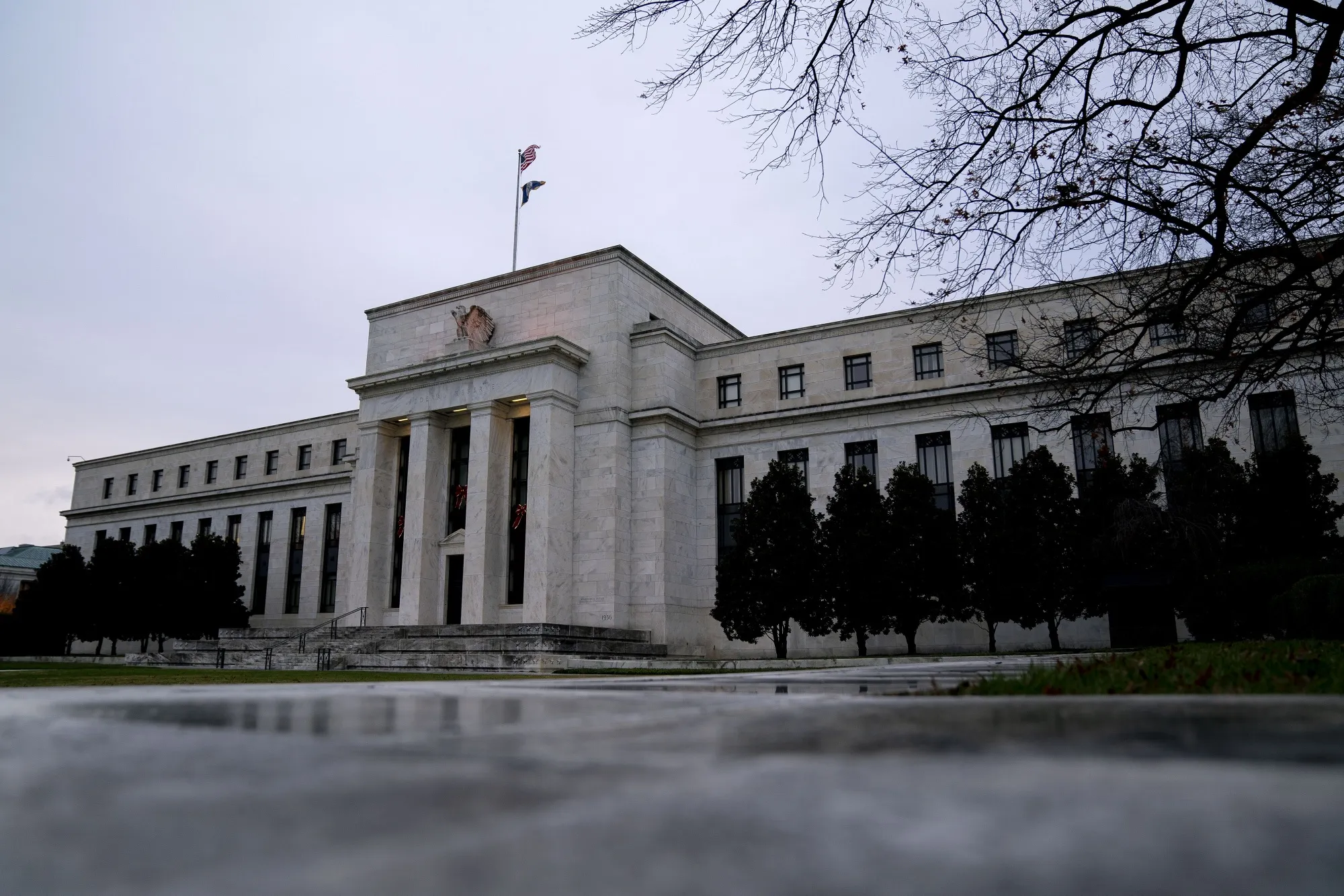
The Fed says it will keep rates steady until it sees how these tariffs affect prices and economic growth. Most financial markets and economists now expect the Fed to start cutting rates in September, with another cut likely in December.
This would lower borrowing costs for consumers and businesses. Many hope it will help support economic growth, which has slowed this year.
Fed Eyes September Rate Cut as U.S. Growth Slows
The U.S. economy grew more slowly in early 2025, and while unemployment remains low at around 4.2%, job growth has cooled. The Fed’s cautious approach comes as it tries to balance two goals: keeping inflation in check while supporting jobs and growth.
If inflation stays under control and the economy weakens further, the Fed is likely to follow through with the planned rate cuts. However, if inflation picks up again, officials have said they are ready to pause or slow the process.
For everyday people, this means that borrowing costs—like those for mortgages, car loans, and business credit—could start to fall later this year.
Lower rates would make it easier for families and companies to borrow and spend, which could help the economy. But the timing and size of these cuts depend on how inflation and the broader economy develop in the coming months.
The Fed’s next policy meeting is in late July, but most experts believe the first rate cut will not come until September. Until then, the central bank will keep a close eye on the data, ready to adjust its plans as needed.
This article was produced by The Rio Times’ automated newsroom system. How we use AI · Report an error
Read More from The Rio Times