Evo Morales Defies Ban, Launches Bold Bid for Bolivia’s Presidency
On February 20, 2025, Bolivia’s ex-President Evo Morales announced his candidacy for the August 17 elections, partnering with the Frente Para la Victoria (FPV), as reported by local outlets in Cochabamba.
The 65-year-old, who led from 2006 to 2019, ignites a fierce debate by challenging a constitutional ban. He also dodges an arrest warrant tied to a scandal.
Morales rallies supporters in Cochabamba, claiming the FPV alliance counters efforts to silence Bolivia’s Indigenous movement. He insists this run aims to rescue a nation facing economic collapse, with foreign reserves dwindling and fuel shortages plaguing citizens.
Yet, the Plurinational Constitutional Tribunal’s 2023 ruling, upheld in 2024, caps presidential terms at two, blocking his third bid. Legal troubles deepen his gamble. Authorities pursue Morales for allegedly fathering a child with a 15-year-old in 2016, sparking trafficking and abuse charges.
He skips court hearings, prompting an arrest order, but loyalists in Chapare shield him as he vows to “save Bolivia” with FPV leader Eliseo Rodríguez. The MAS party, once Morales’ powerhouse, splits bitterly.
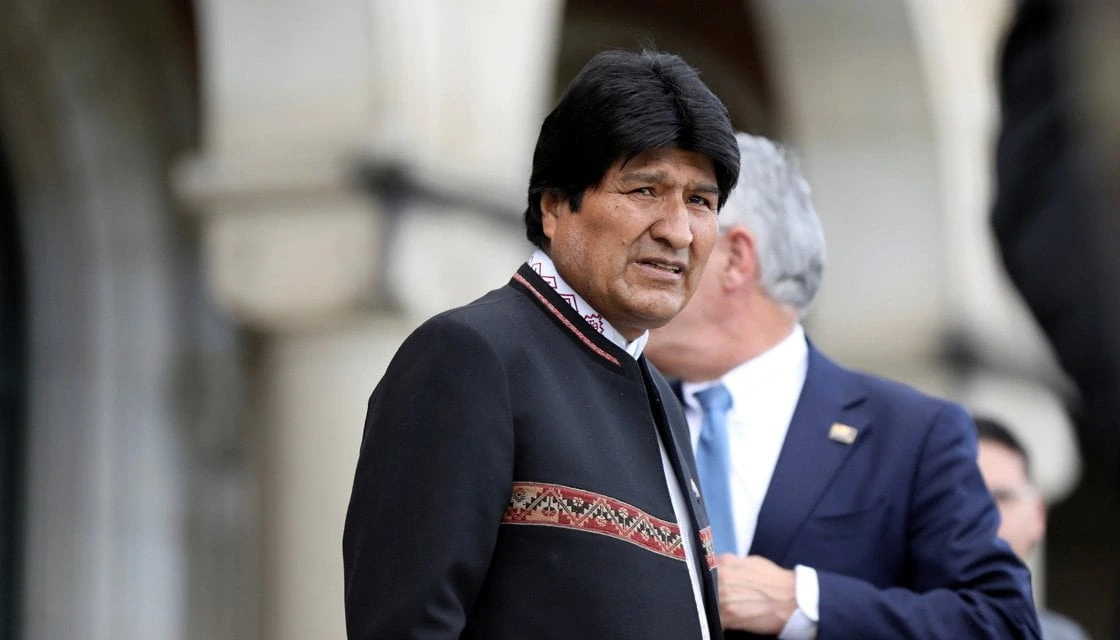
Evo Morales’ Political Gamble
President Luis Arce’s faction now controls it, leaving Morales to pivot to the FPV, a small party with two sanctions and an unvalidated congress, per electoral official Francisco Vargas. This shaky platform tests his electoral hopes.
Bolivia staggers under economic strain—poverty dropped from 60% to 35% under Morales, per World Bank data, but recent crises erode gains. His 2019 exit, amid fraud claims and 36 deaths, still haunts the nation approaching its 2025 bicentennial. Today, polls peg his support at 25-30%, a steep fall from past landslides.
Rodríguez frames the alliance as a lifeline for a “bankrupt” country, while Morales bets on his rural base—coca farmers and Indigenous voters. However, legal battles loom. Experts foresee clashes over the ban, and his arrest risks violence between supporters and police.
Morales’ story grips Bolivia and beyond. Business watchers eye the election’s impact on stability and resources like natural gas. His defiance, rooted in a legacy of Indigenous empowerment and socialist policies, collides with a system aiming to curb perpetual rule, setting a tense stage for August.
More: Bolivia news in English, every day from The Rio Times.
This article was produced by The Rio Times’ automated newsroom system. How we use AI · Report an error · Editorial responsibility: Matthias Camenzind, Editor-in-Chief